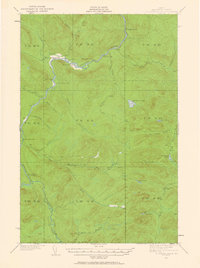
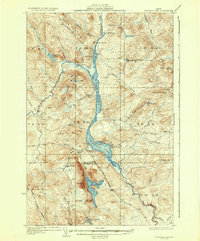
1932 Map of Allagash Falls
USGS Topo · Published 1961About this map
Allagash River logging culture and remote outpost life are the focus of this early 1930s survey of northern Maine. The landscape is defined by its working timber heritage, where the Tote Road follows the riverbanks to reach isolated operations like Cunliffe Depot Camp and Five Finger Camp. Small-scale agricultural pockets appear at Michaud Farm and Moores Farm, serving as essential supply points in the deep woods.
Find a feature on this map
43 named features on this map. Tap any name to fly to it.
Don’t see what you’re looking for? This feature index may not catch every label — zoom into the map to look around manually.
Map Details
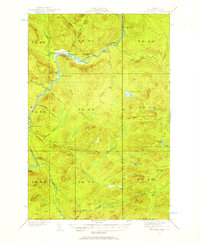
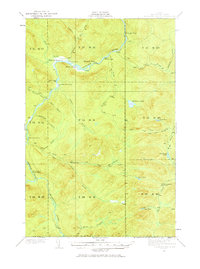
Editions of this 1932 Allagash Falls Map
4 editions found
Other maps of this area
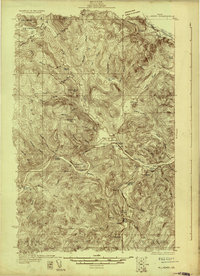
1930 · Allagash
USGS Topo · 1:48,000
1930 · St Francis
USGS Topo · 1:48,000
1931 · Fish River Lake
USGS Topo · 1:48,000
1931 · Mooseleuk Lake
USGS Topo · 1:48,000
1932 · Umsaskis Lake
USGS Topo · 1:48,000
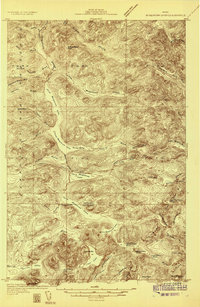
1932 · Musquacook Lakes
USGS Topo · 1:48,000
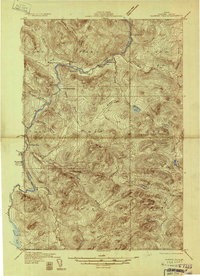
1932 · Allagash Falls
USGS Topo · 1:48,000
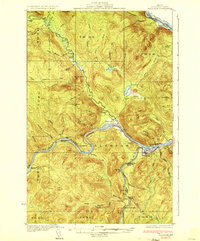
1933 · Allagash
USGS Topo · 1:62,500
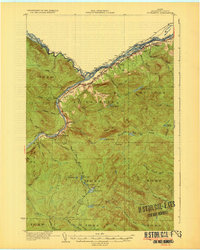
1933 · St Francis
USGS Topo · 1:62,500
1935 · Umsaskis Lake
USGS Topo · 1:62,500