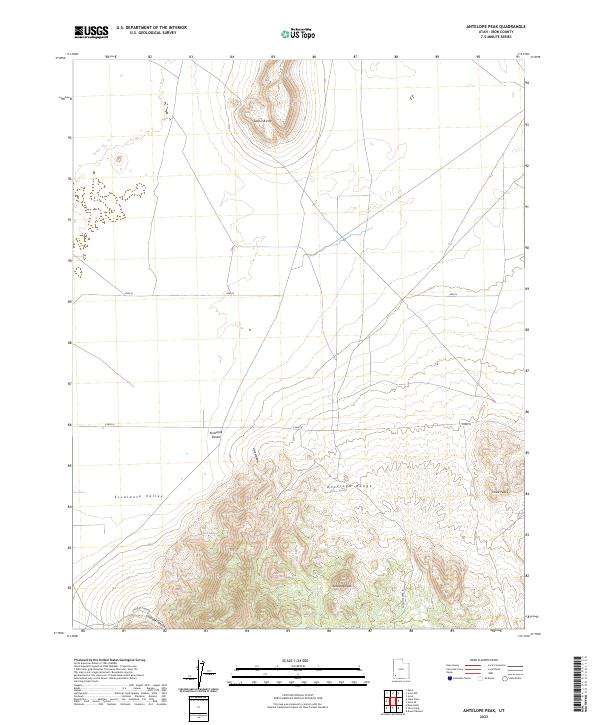
2023 Map of Antelope Peak
USGS Topo · Published 2023About this map
Antelope Peak stands as the dominant high point in this corner of Iron County, anchoring a landscape where high desert basins meet prominent mountain ridges. The transition from the flat expanse of the Escalante Valley and the Escalante Desert to the rising elevations of the Antelope Range is sharply defined by topographic contours. Water sources are scarce and notable in this arid environment, marked by isolated points such as Antelope Springs and Rock Spring, which likely served as critical landmarks for travelers and ranchers. The northern portion of the quadrangle is punctuated by Table Butte, while the southeastern corner features the rugged formations of Three Peaks. Evidence of the region's drainage patterns and geological history is visible in features like Chloride Canyon and Urie Hollow, illustrating the complex erosion that has shaped these interior basins of Utah.
Find a feature on this map
13 named features on this map. Tap any name to fly to it.
Don’t see what you’re looking for? This feature index may not catch every label — zoom into the map to look around manually.
Map Details
Editions of this 2023 Antelope Peak Map
This is the sole edition of this map. No revisions or reprints were ever made.
Other maps of this area
1885 · St. George
USGS Topo · 1:250,000
1891 · St. George
USGS Topo · 1:250,000
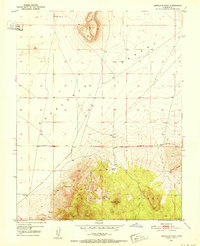
1950 · Antelope Peak
USGS Topo · 1:24,000
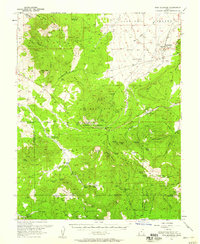
1950 · Iron Mountain
USGS Topo · 1:62,500
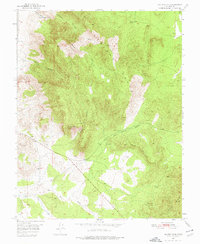
1950 · Silver Peak
USGS Topo · 1:24,000
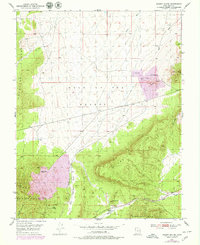
1950 · Desert Mound
USGS Topo · 1:24,000
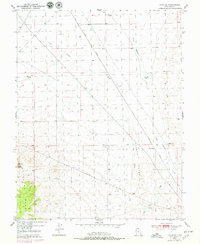
1950 · Avon SE
USGS Topo · 1:24,000
1951 · Avon SE
USGS Topo · 1:24,000
1951 · Silver Peak
USGS Topo · 1:24,000
1951 · Desert Mound
USGS Topo · 1:24,000