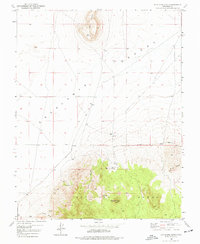
1950 Map of Antelope Peak
USGS Topo · Published 1977About this map
Escalante Desert dominates the northern half of this mid-century survey, meeting the rising topography of the Antelope Range to the south. The landscape is defined by its arid character, where critical water sources like Antelope Springs, Rock Spring, and other unnamed seeps are the primary landmarks for navigation and survival. High points such as Antelope Peak and the distinctive Table Butte provide topographical relief against the desert floor, while the Antelope Road cuts a linear path across the basin. The southern portion of the map reveals a more complex drainage system, including Urie Hollow and Chloride Canyon, which channel seasonal runoff from the higher elevations toward the desert basin. This map captures the area just as aerial photogrammetry began to refine the precise recording of these isolated Utah landscapes.
Find a feature on this map
11 named features on this map. Tap any name to fly to it.
Don’t see what you’re looking for? This feature index may not catch every label — zoom into the map to look around manually.
Map Details
Editions of this 1950 Antelope Peak Map
2 editions found
Other maps of this area
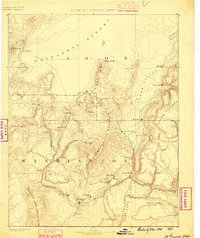
1885 · St. George
USGS Topo · 1:250,000
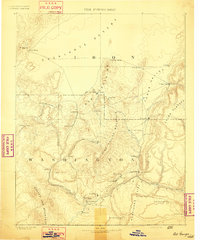
1891 · St. George
USGS Topo · 1:250,000
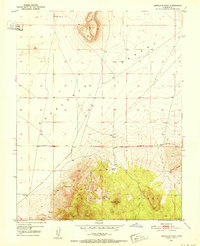
1950 · Antelope Peak
USGS Topo · 1:24,000
1950 · Iron Mountain
USGS Topo · 1:62,500
1950 · Silver Peak
USGS Topo · 1:24,000
1950 · Desert Mound
USGS Topo · 1:24,000
1950 · Avon SE
USGS Topo · 1:24,000
1951 · Avon SE
USGS Topo · 1:24,000
1951 · Silver Peak
USGS Topo · 1:24,000
1951 · Desert Mound
USGS Topo · 1:24,000