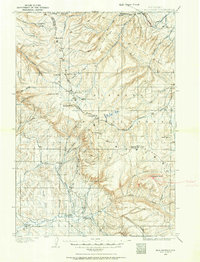
1898 Map of Bald Mountain
USGS Topo · Published 1963About this map
Medicine Mtn and the high ridges of the Bighorn range dominate this late 19th-century survey, conducted by Frank Tweedy and W.S. Post. The landscape is defined by its dramatic verticality, with named peaks like Hunt Mtn and Bald Mtn rising above deep drainage systems such as Devil Canyon and Porter Gulch. Early industry is marked by the presence of the Fortunatus Mill, situated near the headwaters of several drainages, while agricultural settlement is limited to isolated outposts like Sheldons Ranch and the small locality of Cloverly. In the northeast, the North Fork Tongue River and its tributaries carve through the plateau, while the Wyoming Montana Boundary Line defines the northern limit of the quadrangle. This map captures the region at a transitional moment, just before the turn of the century, when mining interests and ranching were the primary drivers of human presence in this high-altitude environment.
Find a feature on this map
45 named features on this map. Tap any name to fly to it.
Don’t see what you’re looking for? This feature index may not catch every label — zoom into the map to look around manually.
Map Details
Editions of this 1898 Bald Mountain Map
2 editions found
Other maps of this area
1894 · Rosebud
USGS Topo · 1:125,000
1894 · St. Xavier
USGS Topo · 1:125,000
1895 · Dayton
USGS Topo · 1:125,000
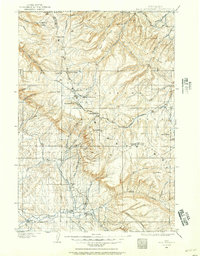
1898 · Bald Mountain
USGS Topo · 1:125,000
1899 · Cloud peak
USGS Topo · 1:125,000
1901 · Rosebud
USGS Topo · 1:125,000
1901 · Cloud Peak
USGS Topo · 1:125,000
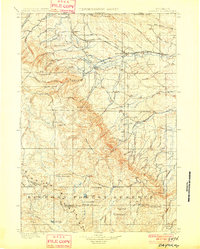
1901 · Dayton
USGS Topo · 1:125,000
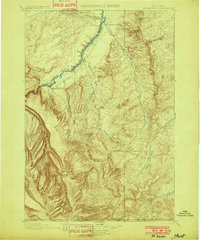
1901 · St. Xavier
USGS Topo · 1:125,000
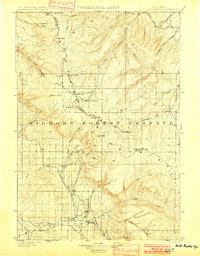
1901 · Bald Mountain
USGS Topo · 1:125,000