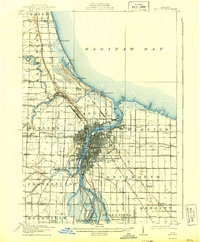
1919 Map of Bay City
USGS Topo · Published 1943About this map
Bay City serves as the industrial and logistical heart of this region during the early twentieth century, situated where the Saginaw River meets the Saginaw Bay. The urban grid is dense with commerce, supported by an extensive network of railroads including the Michigan Central, Pere Marquette, and Detroit and Mackinac. This heavy rail presence, alongside the Electric line, underscores the city's role as a major hub for transit and trade before the dominance of modern highways.
Find a feature on this map
60 named features on this map. Tap any name to fly to it.
Don’t see what you’re looking for? This feature index may not catch every label — zoom into the map to look around manually.
Map Details
Editions of this 1919 Bay City Map
2 editions found
Other maps of this area
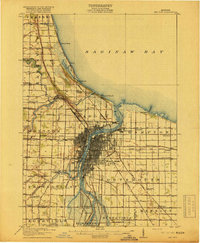
1916 · Bay City
USGS Topo · 1:62,500
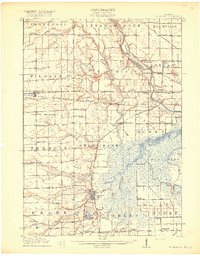
1917 · St. Charles
USGS Topo · 1:62,500
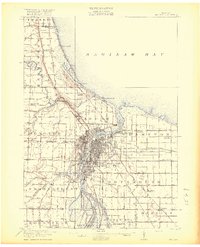
1919 · Bay City
USGS Topo · 1:62,500
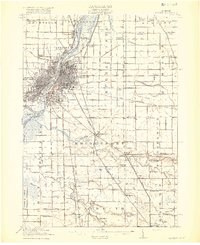
1919 · Saginaw
USGS Topo · 1:62,500
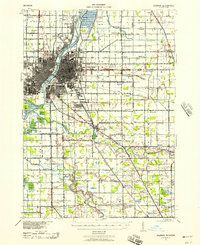
1941 · Saginaw
USGS Topo · 1:62,500
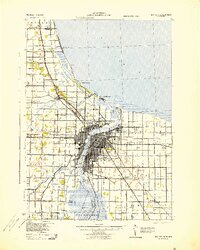
1943 · Bay City
USGS Topo · 1:62,500
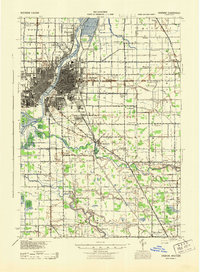
1943 · Saginaw
USGS Topo · 1:62,500
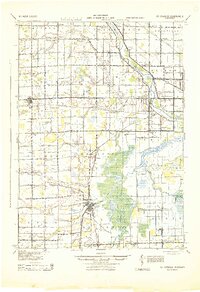
1943 · St. Charles
USGS Topo · 1:62,500
1954 · Midland
USGS Topo · 1:250,000
1954 · Flint
USGS Topo · 1:250,000