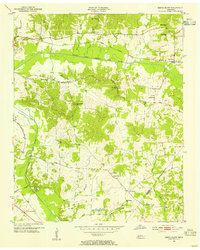
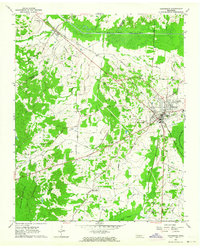
1953 Map of Beech Bluff
USGS Topo · Published 1955About this map
The Nashville Chattanooga and St Louis railroad cuts through the heart of this West Tennessee landscape, paralleling the course of the North Fork Forked Deer River. This 1953 field-checked survey shows a rural environment deeply rooted in its local institutions, with the settlement of Beech Bluff serving as a primary hub. The map reveals an intricate network of small country schools and churches that defined mid-century life, including Hurts Sch, Moore Sch, and Isaac Chapel.
Find a feature on this map
36 named features on this map. Tap any name to fly to it.
Don’t see what you’re looking for? This feature index may not catch every label — zoom into the map to look around manually.
Map Details
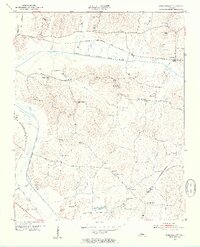
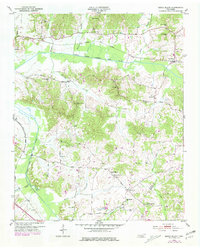
Editions of this 1953 Beech Bluff Map
3 editions found
Other maps of this area
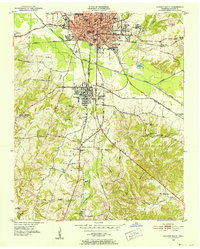
1950 · Jackson South
USGS Topo · 1:24,000
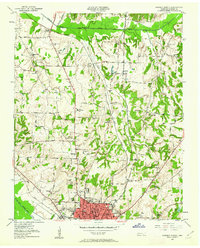
1950 · Jackson North
USGS Topo · 1:24,000
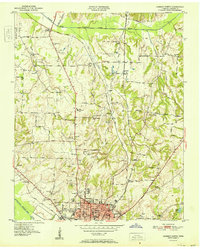
1951 · Jackson North
USGS Topo · 1:24,000
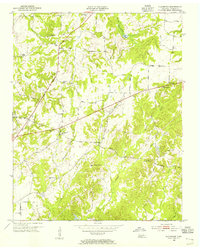
1953 · Claybrook
USGS Topo · 1:24,000
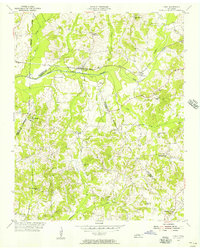
1955 · Luray
USGS Topo · 1:24,000
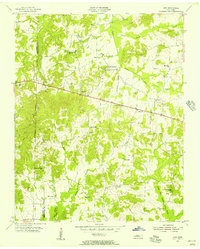
1955 · Juno
USGS Topo · 1:24,000
1956 · Blytheville
USGS Topo · 1:250,000
1959 · Blytheville
USGS Topo · 1:250,000
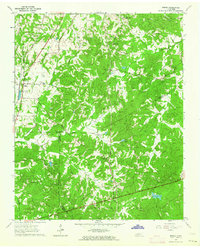
1961 · Medon
USGS Topo · 1:24,000
1961 · Henderson
USGS Topo · 1:24,000