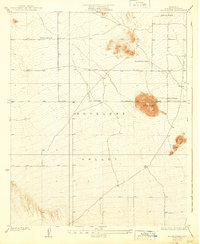
1933 Map of Black Butte
USGS Topo · Published 1933About this map
Antelope Valley dominates this 1930s topographic study, revealing a sparsely populated desert landscape long before the major residential developments of the late 20th century. The area is defined by its distinct landforms, specifically the prominent Black Butte and the cluster of heights known as the Three Sisters. Unlike more urbanized regions of California, the settlement pattern here during this era was almost exclusively based on ranching, with isolated homesteads connected by a developing network of section roads.
Find a feature on this map
8 named features on this map. Tap any name to fly to it.
Don’t see what you’re looking for? This feature index may not catch every label — zoom into the map to look around manually.
Map Details
Editions of this 1933 Black Butte Map
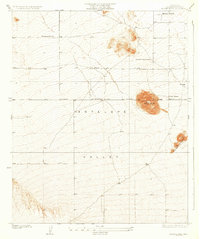
2 editions found
Other maps of this area
1901 · Southern California Sheet No. 1
USGS Topo · 1:250,000
1903 · Rock Creek
USGS Topo · 1:62,500
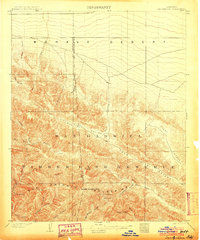
1903 · San Antonio
USGS Topo · 1:62,500
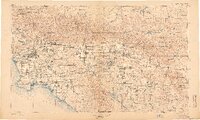
1904 · Southern California Sheet No. 1
USGS Topo · 1:250,000
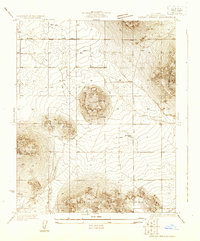
1930 · Lovejoy Springs
USGS Topo · 1:24,000
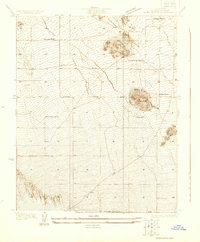
1930 · Black Butte
USGS Topo · 1:24,000
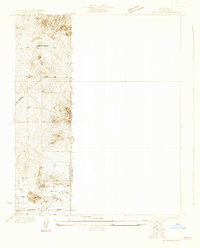
1930 · El Mirage
USGS Topo · 1:24,000
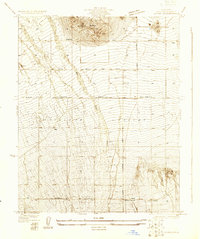
1930 · Llano
USGS Topo · 1:24,000
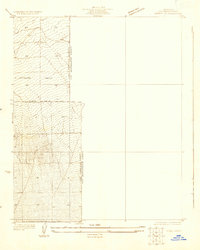
1930 · Angle
USGS Topo · 1:24,000
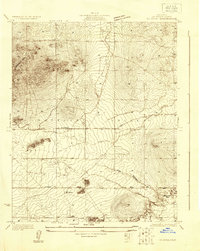
1930 · Wilsona
USGS Topo · 1:24,000