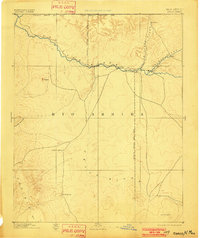
1892 Map of Chaco
USGS Topo · Published 1902About this map
San Juan River and its major tributaries, the Animas River and La Plata River, dictate the settlement patterns of this northwestern New Mexico territory. In the late nineteenth century, early outposts like Farmington, Aztec, and Jewett appear established along these vital watercourses, while the southern reaches of the map transition into the more arid geography of the Chaco River valley. The map reveals a complex intersection of political and tribal boundaries, clearly delineating the Navajo Indian Res Line as it cuts through the high desert. Prominent geological landmarks such as Beautiful Mountain and the Chuska Mts dominate the southwestern corner, while isolated watering points like Sulphur Spring and Sheep Spring provide evidence of the critical resources needed for travel and ranching in this open landscape. To the southeast, the remote settlement of Seven Lakes stands as one of the few named interior locations away from the primary river valleys.
Find a feature on this map
21 named features on this map. Tap any name to fly to it.
Don’t see what you’re looking for? This feature index may not catch every label — zoom into the map to look around manually.
Map Details
Editions of this 1892 Chaco Map
5 editions found
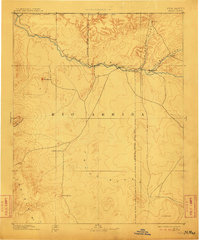
Other maps of this area
1883 · Mt. Taylor
USGS Topo · 1:250,000
1886 · Wingate
USGS Topo · 1:250,000
1886 · Mt. Taylor
USGS Topo · 1:250,000
1886 · Fort Defiance
USGS Topo · 1:250,000
1886 · Abajo
USGS Topo · 1:250,000
1889 · Largo
USGS Topo · 1:250,000
1889 · Chaco
USGS Topo · 1:250,000
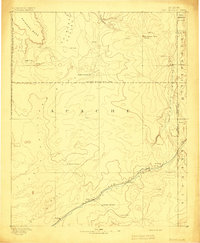
1892 · Fort Defiance
USGS Topo · 1:250,000
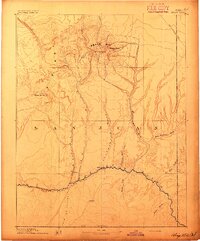
1892 · Abajo
USGS Topo · 1:250,000
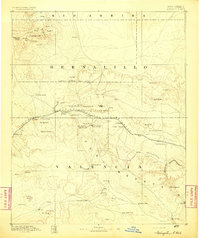
1892 · Wingate
USGS Topo · 1:250,000