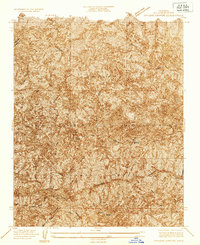
1934 Map of Chileno Canyon
USGS Topo · Published 1934About this map
The San Gabriel Mountains dominate this 1930s survey, revealing the complex drainage systems of the Angeles National Forest before extensive modern development. The confluence of the West Fork and North Fork San Gabriel River forms a central geographical anchor, surrounded by steep terrain and prominent heights like Monrovia Peak.
Find a feature on this map
16 named features on this map. Tap any name to fly to it.
Don’t see what you’re looking for? This feature index may not catch every label — zoom into the map to look around manually.
Map Details
Editions of this 1934 Chileno Canyon Map
This is the sole edition of this map. No revisions or reprints were ever made.
Other maps of this area
1894 · Los Angeles
USGS Topo · 1:62,500
1894 · Pomona
USGS Topo · 1:62,500
1896 · Pasadena
USGS Topo · 1:62,500
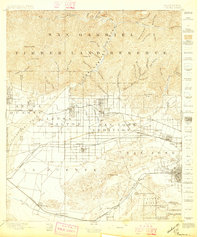
1897 · Pomona
USGS Topo · 1:62,500
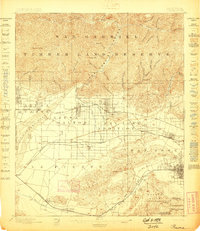
1898 · Pomona
USGS Topo · 1:62,500
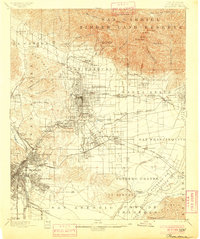
1900 · Pasadena
USGS Topo · 1:62,500
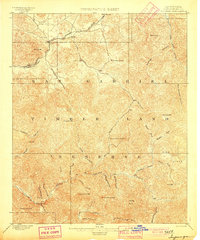
1900 · Tujunga
USGS Topo · 1:62,500
1900 · Los Angeles
USGS Topo · 1:62,500
1901 · Southern California Sheet No. 1
USGS Topo · 1:250,000
1903 · Rock Creek
USGS Topo · 1:62,500