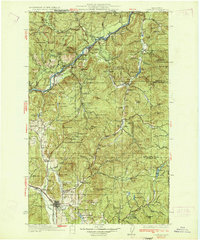
1933 Map of Colville
USGS Topo · Published 1933About this map
Colville and the surrounding river valleys represent a significant hub of extraction and settlement in northeast Washington during the late 1920s. The landscape is defined by the Columbia River and the Great Northern Railway, which together supported a massive mining economy. The map identifies dozens of specific operations, from the Electric Point Mine near Leadpoint to the Old Dominion Mine and the Tulare Dolomite Quarry.
Find a feature on this map
107 named features on this map. Tap any name to fly to it.
Don’t see what you’re looking for? This feature index may not catch every label — zoom into the map to look around manually.
Map Details
Editions of this 1933 Colville Map
2 editions found
Other maps of this area
1927 · Chewelah
USGS Topo · 1:125,000
1929 · Colville
USGS Topo · 1:125,000
1930 · Chewelah
USGS Topo · 1:125,000
1934 · Metaline
USGS Topo · 1:125,000
1936 · Marcus
USGS Topo · 1:96,000
1936 · Newport
USGS Topo · 1:96,000
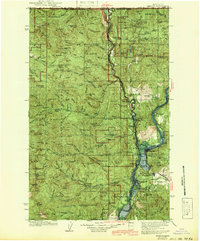
1942 · Marcus
USGS Topo · 1:125,000
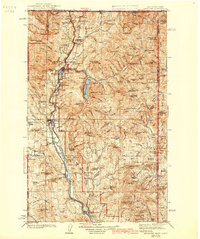
1942 · Metaline
USGS Topo · 1:125,000
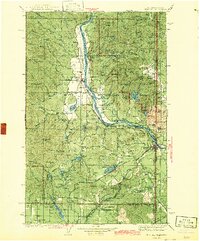
1942 · Newport
USGS Topo · 1:125,000
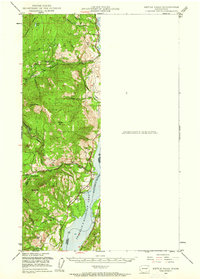
1948 · Kettle Falls
USGS Topo · 1:62,500