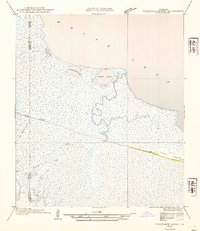
1932 Map of Constance Bayou NE
USGS Topo · Published 1954About this map
White Lake dominates the northern portion of this coastal landscape, meeting a vast marshland defined by winding waterways and seasonal terrain. Surveyed in the early 1930s, the map illustrates a complex hydrologic network where Floating Turf Bayou snakes through the wetlands south of Bear Lake and Grande Volle Lake. The inclusion of floating turf provides a specific insight into the precarious nature of the marsh surface in this era, where land and water often shifted based on vegetation and tides.
Find a feature on this map
9 named features on this map. Tap any name to fly to it.
Don’t see what you’re looking for? This feature index may not catch every label — zoom into the map to look around manually.
Map Details
Editions of this 1932 Constance Bayou NE Map
2 editions found
Other maps of this area
1932 · Constance Bayou NE
USGS Topo · 1:31,680
1932 · Constance Bayou SW
USGS Topo · 1:31,680
1932 · Pecan Island SW
USGS Topo · 1:31,680
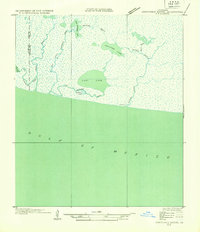
1932 · Constance Bayou SE
USGS Topo · 1:31,680
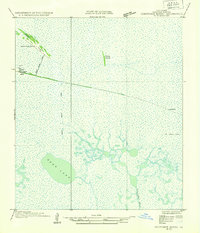
1932 · Constance Bayou NW
USGS Topo · 1:31,680
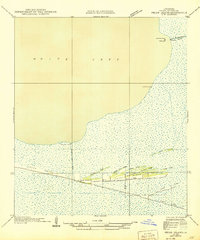
1945 · Pecan Island NW
USGS Topo · 1:31,680
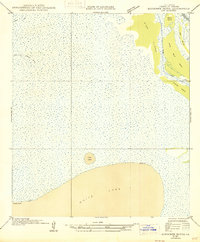
1946 · Schooner Bayou SW
USGS Topo · 1:31,680
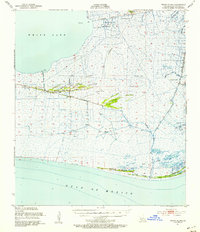
1951 · Pecan Island
USGS Topo · 1:62,500
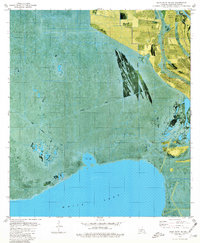
1953 · Jacks Point Island
USGS Topo · 1:24,000
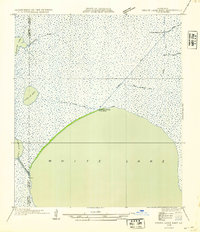
1954 · Grand Lake East SE
USGS Topo · 1:31,680