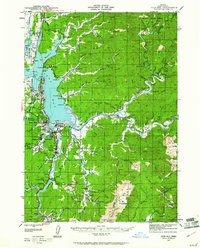
1942 Map of Coos Bay
USGS Topo · Published 1961About this map
Industrial and maritime activity define the Oregon coast in this early 1940s survey of the Coos Bay area. Coal extraction is a prominent feature of the landscape, with both the Southport Coal Mine and the Libby Coal Mine (Inactive) located south of the main population centers. The complex geography of the Millicoma River and the Coos River systems is documented in detail, showing a network of sloughs and inlets that supported the regional economy.
Find a feature on this map
96 named features on this map. Tap any name to fly to it.
Don’t see what you’re looking for? This feature index may not catch every label — zoom into the map to look around manually.
Map Details
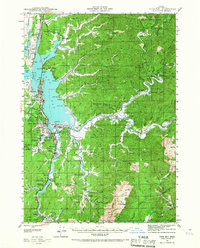
Editions of this 1942 Coos Bay Map
2 editions found
Other maps of this area
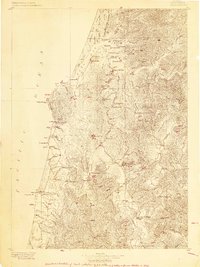
1896 · Coos Bay
USGS Topo · 1:125,000
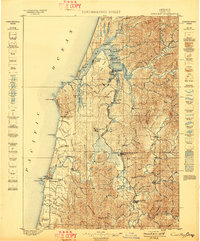
1898 · Coos Bay
USGS Topo · 1:125,000
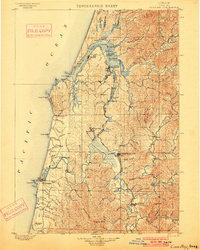
1900 · Coos Bay
USGS Topo · 1:125,000
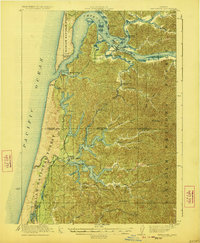
1923 · Reedsport
USGS Topo · 1:62,500
1928 · Sitkum
USGS Topo · 1:125,000
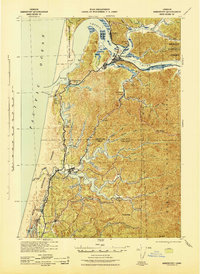
1942 · Reedsport
USGS Topo · 1:62,500
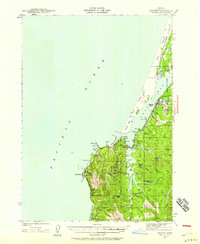
1942 · Empire
USGS Topo · 1:62,500
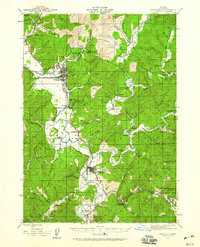
1942 · Coquille
USGS Topo · 1:62,500
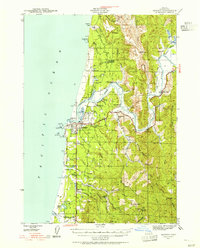
1943 · Bandon
USGS Topo · 1:62,500
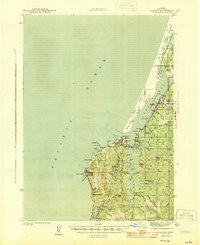
1944 · Empire
USGS Topo · 1:62,500