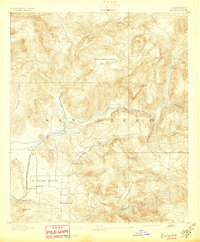
1893 Map of Elcajon
USGS Topo · Published 1897About this map
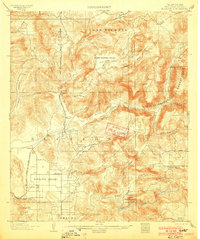
The San Diego Flume winds through the hills of eastern San Diego County, marking a period of massive hydraulic engineering to bring water to the El Cajon Valley. This 1891 survey, published in 1897, captures the early citrus and agricultural development of the region before the sprawl of the modern metropolitan area. The San Diego Cuyamaca and Eastern Railway provides the primary transit link, terminating at Foster just north of Lakeside, which is centered around Lindo Lake. The infrastructure of the era is remarkably detailed, showing a sequence of engineering feats including the Cape Horn Tunnel, Monte Tunnel, and Lankeshem Tunnel. Rural outposts like Stowe and Alpine sit at the edges of the mountainous terrain, while prominent peaks like El Cajon Mt. and Mount Helix define the local topography.
Find a feature on this map
36 named features on this map. Tap any name to fly to it.
Don’t see what you’re looking for? This feature index may not catch every label — zoom into the map to look around manually.
Map Details
Editions of this 1893 Elcajon Map
2 editions found
Other maps of this area
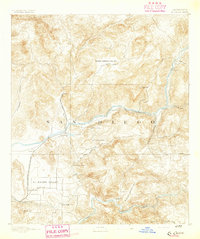
1893 · El Cajon
USGS Topo · 1:62,500
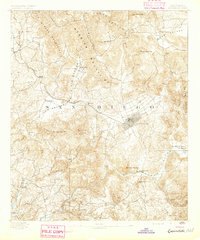
1893 · Escondido
USGS Topo · 1:62,500
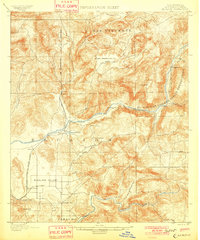
1901 · Elcajon
USGS Topo · 1:62,500
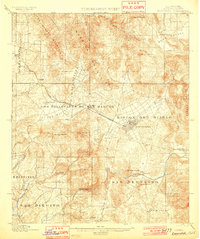
1901 · Escondido
USGS Topo · 1:62,500
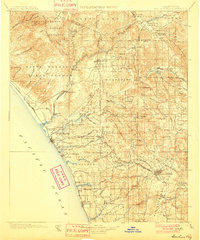
1901 · San Luis Rey
USGS Topo · 1:125,000
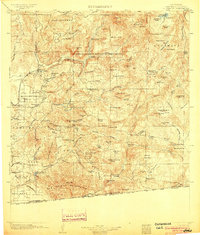
1903 · Cuyamaca
USGS Topo · 1:125,000
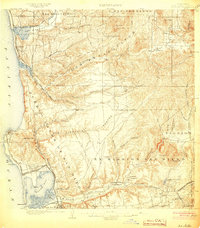
1903 · La Jolla
USGS Topo · 1:62,500
1903 · Elcajon
USGS Topo · 1:62,500
1903 · Ramona
USGS Topo · 1:125,000
1904 · San Diego
USGS Topo · 1:62,500