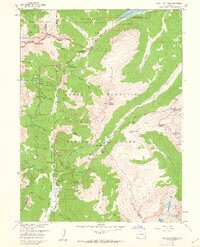
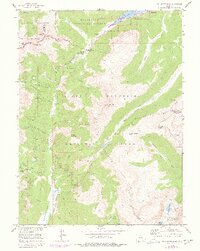
1958 Map of Fall River Pass
USGS Topo · Published 1962About this map
The Continental Divide carves a jagged path through this high-altitude landscape, separating the headwaters of the Colorado River in the Kawuneeche Valley from the eastern-flowing Cache la Poudre River. This late-1950s record documents the intensive water management of the era, most notably the Grand Ditch which skirts the western slopes of Mount Neota and Specimen Mountain to divert runoff. Settlement is centered around the valley floor, featuring the Phantom Valley Ranch and the Phantom Valley Trading Post, while the ghost of the silver mining era is preserved at the Lulu City (Site) near the Colorado River. The map captures the infrastructure of the wilderness management during this period, including the La Poudre Pass Ranger Station and various camps such as the Milner Pass Road Camp. Significant landmarks like Little Yellowstone and The Crater highlight the unique geological formations that defined this section of Rocky Mountain National Park as it was being developed for mid-century tourism.
Find a feature on this map
77 named features on this map. Tap any name to fly to it.
Don’t see what you’re looking for? This feature index may not catch every label — zoom into the map to look around manually.
Map Details
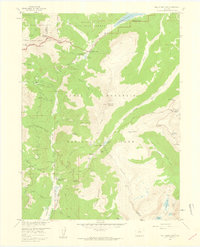
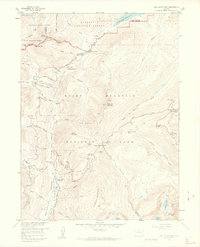
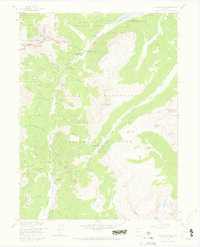
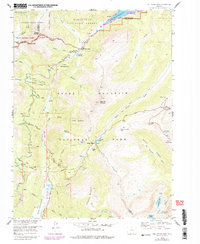
Editions of this 1958 Fall River Pass Map
6 editions found
Other maps of this area
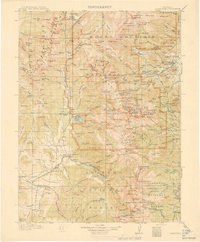
1915 · Longs Peak
USGS Topo · 1:125,000
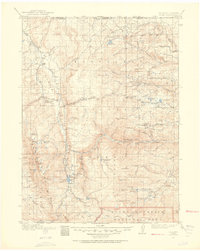
1916 · Home
USGS Topo · 1:125,000
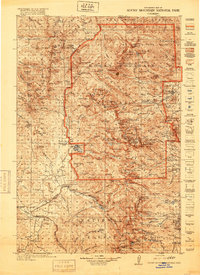
1919 · Rocky Mountain National Park
USGS Topo · 1:125,000
1920 · Home
USGS Topo · 1:125,000
1954 · Greeley
USGS Topo · 1:250,000
1957 · Greeley
USGS Topo · 1:250,000
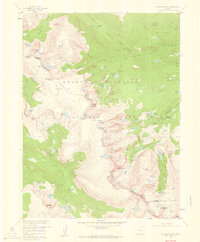
1957 · Mc Henrys Peak
USGS Topo · 1:24,000
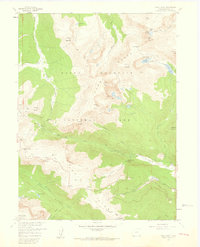
1957 · Trail Ridge
USGS Topo · 1:24,000
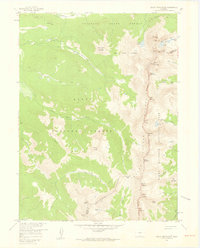
1957 · Mount Richthofen
USGS Topo · 1:24,000
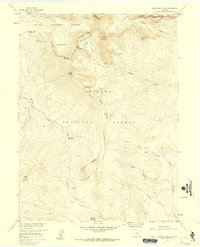
1957 · Bowen Mountain
USGS Topo · 1:24,000