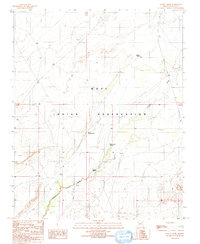
1991 Map of Giants Chair
USGS Topo · Published 1991About this map
The Hopi Indian Reservation landscape is defined by the ephemeral flow of Polacca Wash and its associated water management systems in this high-desert region of Arizona. The map illustrates a reliance on natural water sources and small-scale infrastructure, with Little Burro Spring, Rock Ledge Spring, and Coyote Spring dotting the terrain alongside several Check Dam installations and a Water Tank. Named for a prominent natural formation, the area surrounding the Giants Chair includes evidence of land use such as a Corral and a Drill Hole, reflecting the intersection of traditional reservation lands with modern resource surveying and ranching activities. The topography is meticulously captured through contour lines that reveal the intricate drainage patterns feeding into the wash.
Find a feature on this map
13 named features on this map. Tap any name to fly to it.
Don’t see what you’re looking for? This feature index may not catch every label — zoom into the map to look around manually.
Map Details
Editions of this 1991 Giants Chair Map
This is the sole edition of this map. No revisions or reprints were ever made.
Other maps of this area
1883 · Tusayan
USGS Topo · 1:250,000
1886 · Tusayan
USGS Topo · 1:250,000
1947 · Flagstaff
USGS Topo · 1:250,000
1954 · Flagstaff
USGS Topo · 1:250,000
1958 · Flagstaff
USGS Topo · 1:250,000
1960 · Flagstaff
USGS Topo · 1:250,000
1962 · Flagstaff
USGS Topo · 1:250,000
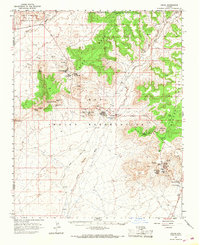
1966 · Oraibi
USGS Topo · 1:62,500
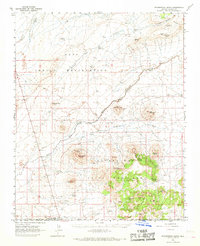
1966 · Egloffstein Butte
USGS Topo · 1:62,500
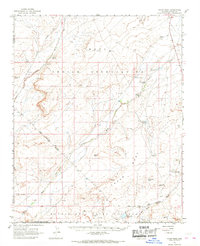
1966 · Tovar Mesa
USGS Topo · 1:62,500