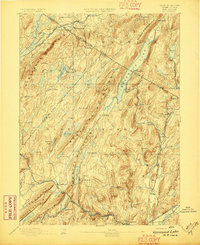
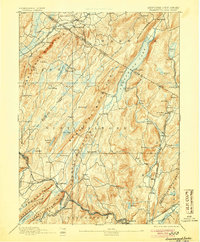
1893 Map of Greenwood Lake
USGS Topo · Published 1893About this map
Greenwood Lake sits at the heart of this late 19th-century study, straddling the high mountain ridges and state boundaries of New York and New Jersey. The landscape is defined by the extraction of iron ore, evidenced by a dense network of mountain mines including the Charlotteburg Mine, Hope Mine, and Green Pond Mines. These industrial outposts are linked by a rugged infrastructure of specialized rail lines like the Sterling Mountain Railroad and the Ringwood Branch Railroad, which serviced the iron furnaces and remote settlements of the Highlands. In the valleys, established villages such as West Milford and New Foundland anchor the rural landscape. The map reveals an intricate hydrological system of feeder ponds and lakes, such as Macopin Lake and Wawayanda Lake, that supported both the local industry and the developing regional water networks during this era of rapid industrialization.
Find a feature on this map
91 named features on this map. Tap any name to fly to it.
Don’t see what you’re looking for? This feature index may not catch every label — zoom into the map to look around manually.
Map Details
Editions of this 1893 Greenwood Lake Map
6 editions found
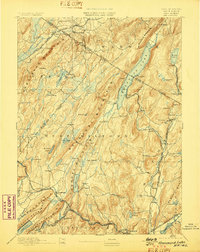
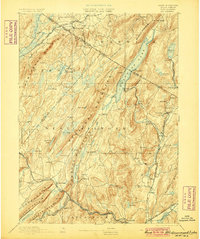
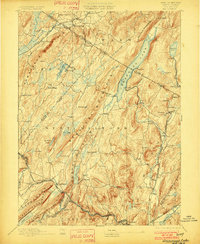
Other maps of this area
1888 · Franklin
USGS Topo · 1:62,500
1888 · Morristown
USGS Topo · 1:62,500
1888 · Lake Hopatcong
USGS Topo · 1:62,500
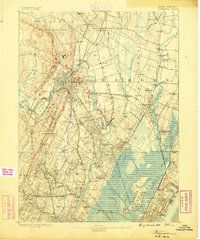
1888 · Paterson
USGS Topo · 1:62,500
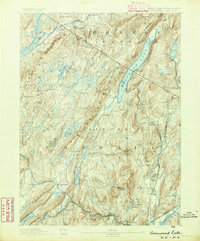
1891 · Greenwood Lake
USGS Topo · 1:62,500
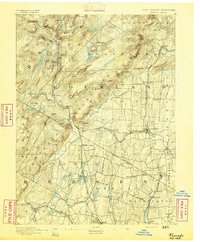
1891 · Ramapo
USGS Topo · 1:62,500
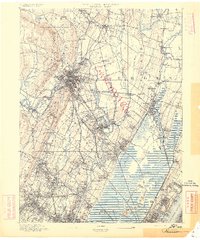
1892 · Paterson
USGS Topo · 1:62,500
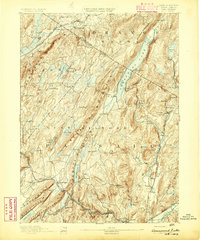
1893 · Greenwood Lake
USGS Topo · 1:62,500
1893 · Ramapo
USGS Topo · 1:62,500
1894 · Morristown
USGS Topo · 1:62,500