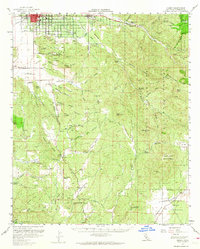
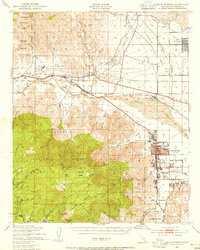
1957 Map of Hemet
USGS Topo · Published 1964About this map
The San Jacinto Valley anchors this mid-century portrait of southern California, where the burgeoning citrus and agricultural lands of Hemet and Valle Vista meet the rising slopes of the San Bernardino Mountains. This geography is defined by a clear transition from the orderly grid of the valley floor, served by the Atchison Topeka and Santa Fe railroad, to the remote canyons and cattle ranges of the Santa Rosa Hills.
Find a feature on this map
70 named features on this map. Tap any name to fly to it.
Don’t see what you’re looking for? This feature index may not catch every label — zoom into the map to look around manually.
Map Details
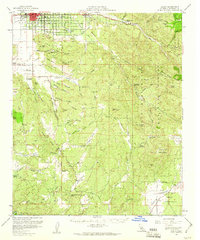
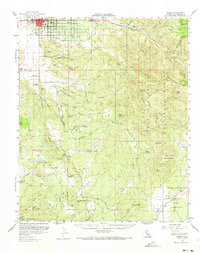
Editions of this 1957 Hemet Map
3 editions found
Other maps of this area
1901 · Southern California Sheet No. 1
USGS Topo · 1:250,000
1901 · San Jacinto
USGS Topo · 1:125,000
1901 · Elsinore
USGS Topo · 1:125,000
1901 · San Luis Rey
USGS Topo · 1:125,000
1903 · Ramona
USGS Topo · 1:125,000
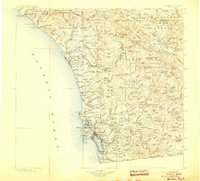
1904 · Southern California Sheet No. 2
USGS Topo · 1:250,000
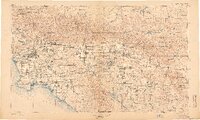
1904 · Southern California Sheet No. 1
USGS Topo · 1:250,000
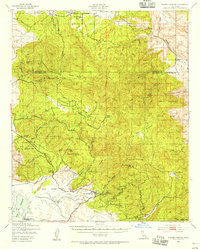
1939 · Warner Springs
USGS Topo · 1:62,500
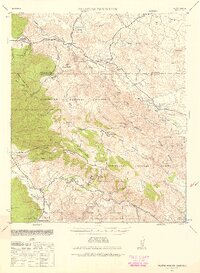
1939 · Palomar Mountain
USGS Topo · 1:62,500
1940 · Palm Springs
USGS Topo · 1:62,500