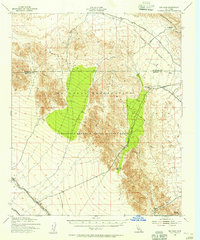
1940 Map of Iris Pass
USGS Topo · Published 1956About this map
The U S Naval Reservation (Chocolate Mountain Aerial Gunnery Range) dominates this 1940 aerial survey, reflecting the rapid militarization of the California desert on the eve of American involvement in World War II. The landscape is defined by the sharp rise of the Chocolate Mountains and the Chuckwalla Mts, separated by strategic gaps such as Iris Pass and Augustine Pass. While the northern reaches remain a focused military corridor, the southwest corner shows the critical infrastructure of the Imperial Valley irrigation system, featuring the Coachella Canal and the East Highline Canal. Historical transit routes like the Ehrenberg Augustine Pass Road and Niland Road trace through the arid terrain, connecting the high passes to the developing agricultural basins below. Landmarks like Lion Head Mtn and the ephemeral Arroyo Seco provide fixed points for navigating this formidable desert environment.
Find a feature on this map
15 named features on this map. Tap any name to fly to it.
Don’t see what you’re looking for? This feature index may not catch every label — zoom into the map to look around manually.
Map Details
Editions of this 1940 Iris Pass Map
2 editions found
Other maps of this area
1940 · Iris
USGS Topo · 1:62,500
1940 · Frink
USGS Topo · 1:62,500
1940 · Iris Pass
USGS Topo · 1:62,500
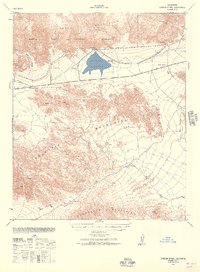
1940 · Canyon Spring
USGS Topo · 1:62,500
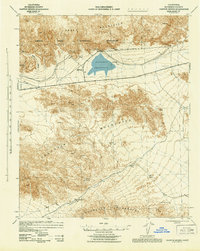
1943 · Canyon Spring
USGS Topo · 1:62,500
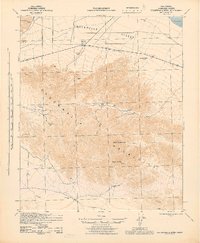
1944 · Chuckwalla Mountains
USGS Topo · 1:62,500
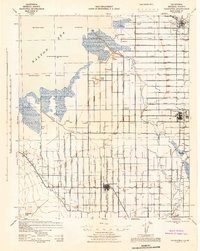
1944 · Calipatria
USGS Topo · 1:62,500
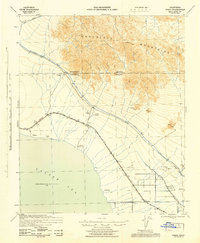
1944 · Frink
USGS Topo · 1:62,500
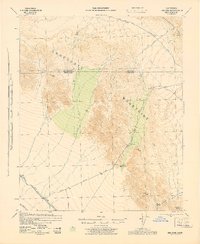
1945 · Iris Pass
USGS Topo · 1:62,500
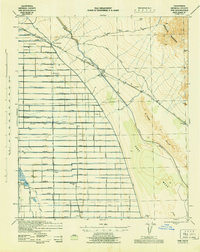
1945 · Iris
USGS Topo · 1:62,500