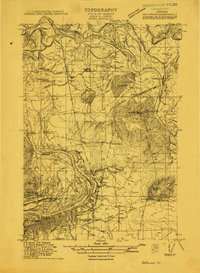
1912 Map of Jefferson
USGS Topo · Published 1912About this map
The Santiam River and Willamette River converge in this river-bottom landscape, where early twentieth-century agriculture and rail infrastructure defined the valley's development. The grid of Albany is clearly visible in the south, while the northern reaches show Jefferson situated along a prominent bend in the river. This era was characterized by a dense network of local education, with rural life centered around sites like Conners School and Miller School.
Find a feature on this map
33 named features on this map. Tap any name to fly to it.
Don’t see what you’re looking for? This feature index may not catch every label — zoom into the map to look around manually.
Map Details
Editions of this 1912 Jefferson Map
This is the sole edition of this map. No revisions or reprints were ever made.
Other maps of this area
1911 · Lebanon
USGS Topo · 1:31,680
1911 · Tangent
USGS Topo · 1:31,680
1913 · Oakville
USGS Topo · 1:31,680
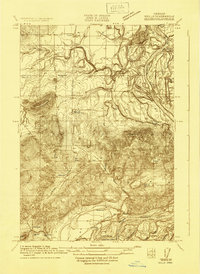
1913 · Wells
USGS Topo · 1:31,680
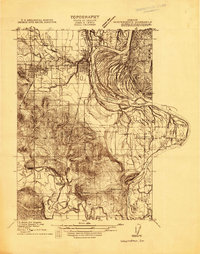
1914 · Independence
USGS Topo · 1:31,680
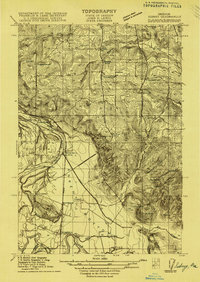
1915 · Sidney
USGS Topo · 1:31,680
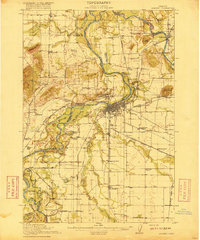
1916 · Albany
USGS Topo · 1:62,500
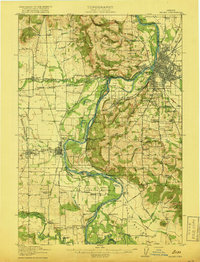
1917 · Salem
USGS Topo · 1:62,500
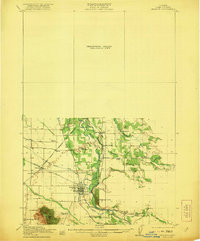
1921 · Lebanon
USGS Topo · 1:62,500
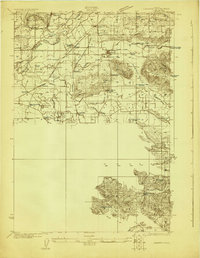
1922 · Lebanon
USGS Topo · 1:48,000