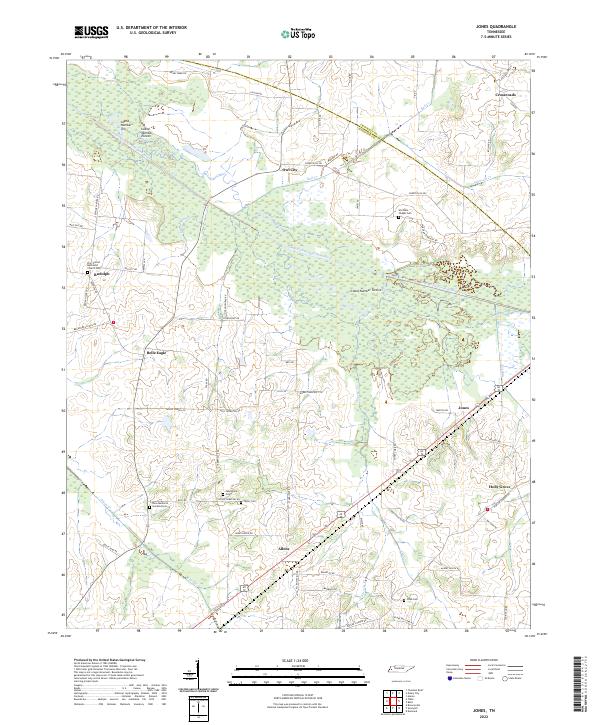
2022 Map of Jones
USGS Topo · Published 2022About this map
The South Fork Forked Deer River dominates this West Tennessee landscape, carving a wide, wetland-rich path across the boundary between Crockett and Haywood counties. Distinctive landforms such as Island Number Ten, Island Number Eleven, and Island Number Twelve appear within the river's course, surrounded by a network of tributaries including Sandy Slough, Kail Cr, and Nixon Cr. The settlement pattern is characterized by small, distributed communities like Owl City, Belle Eagle, and Jones, which are connected by a grid of rural roads often named for local families.
Find a feature on this map
69 named features on this map. Tap any name to fly to it.
Don’t see what you’re looking for? This feature index may not catch every label — zoom into the map to look around manually.
Map Details
Editions of this 2022 Jones Map
This is the sole edition of this map. No revisions or reprints were ever made.
Other maps of this area
1939 · Halls
USGS Topo · 1:62,500
1950 · Sunnyhill
USGS Topo · 1:24,000
1950 · Brownsville
USGS Topo · 1:24,000
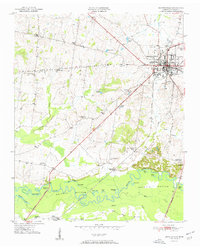
1951 · Brownsville
USGS Topo · 1:24,000
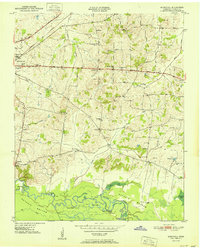
1951 · Sunnyhill
USGS Topo · 1:24,000
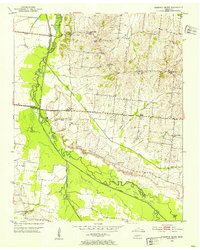
1952 · Chestnut Bluff
USGS Topo · 1:24,000
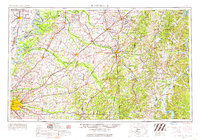
1956 · Blytheville
USGS Topo · 1:250,000
1959 · Blytheville
USGS Topo · 1:250,000
1959 · Bells
USGS Topo · 1:24,000
1959 · Denmark
USGS Topo · 1:24,000