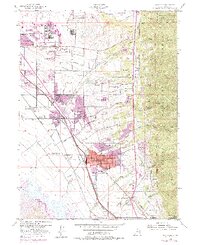
1955 Map of Kaysville
USGS Topo · Published 1985About this map
Hill Air Force Base dominates the northern reaches of this mid-century landscape, illustrating the military's significant footprint on the Wasatch Front. The expansion of residential life is evident in the transition from established hubs like Kaysville and Layton to smaller developments such as Sahara Village and Laytona. This growth is anchored by a network of essential institutions, including Davis High School and the Utah State Experiment Farm, reflecting a community balancing rapid suburbanization with its agricultural roots.
Find a feature on this map
60 named features on this map. Tap any name to fly to it.
Don’t see what you’re looking for? This feature index may not catch every label — zoom into the map to look around manually.
Map Details
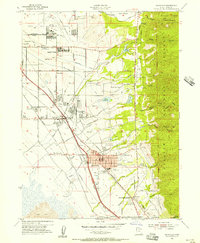
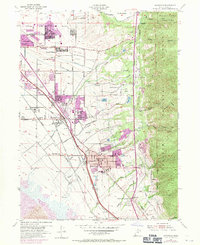
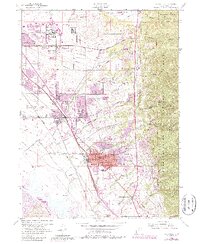
Editions of this 1955 Kaysville Map
4 editions found
Other maps of this area
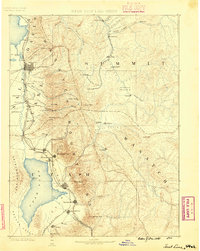
1885 · Salt Lake
USGS Topo · 1:250,000
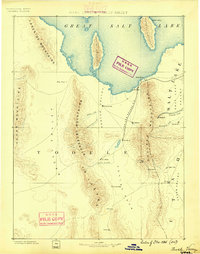
1885 · Tooele Valley
USGS Topo · 1:250,000
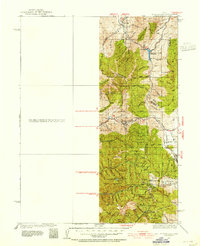
1925 · Ft. Douglas
USGS Topo · 1:125,000
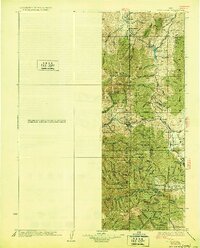
1928 · Ft. Douglas
USGS Topo · 1:125,000
1952 · Saltair NE
USGS Topo · 1:24,000
1952 · Farmington
USGS Topo · 1:24,000
1952 · Bountiful Peak
USGS Topo · 1:24,000
1953 · Tooele
USGS Topo · 1:250,000
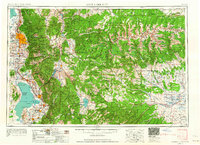
1954 · Salt Lake City
USGS Topo · 1:250,000
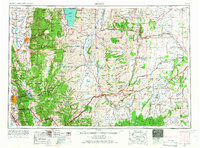
1954 · Ogden
USGS Topo · 1:250,000