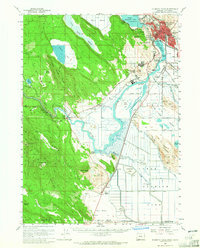
1957 Map of Klamath Falls
USGS Topo · Published 1965About this map
Klamath Falls serves as the industrial and logistical hub of this mid-century landscape, where the Southern Pacific and Oregon California Eastern Railway converge near the southern tip of Upper Klamath Lake. The urban center is detailed with civic infrastructure, including Roosevelt School, Fremont School, and a Powerhouse near the Klamath River headwaters. To the southwest, the terrain transitions into the steep slopes of Hamaker Mtn and Chase Mtn, overlooking the smaller settlement of Keno.
Find a feature on this map
61 named features on this map. Tap any name to fly to it.
Don’t see what you’re looking for? This feature index may not catch every label — zoom into the map to look around manually.
Map Details
Editions of this 1957 Klamath Falls Map
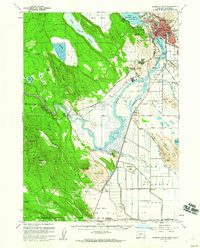
2 editions found
Other maps of this area
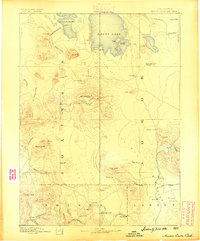
1886 · Modoc Lava Bed
USGS Topo · 1:250,000
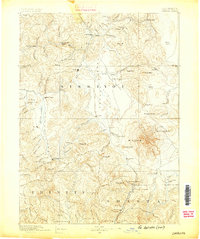
1886 · Shasta
USGS Topo · 1:250,000
1889 · Klamath
USGS Topo · 1:250,000
1891 · Ashland
USGS Topo · 1:250,000
1892 · Modoc Lava-Bed
USGS Topo · 1:250,000
1893 · Ashland
USGS Topo · 1:250,000
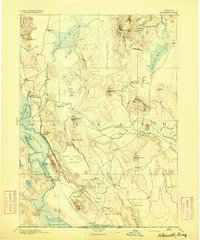
1894 · Klamath
USGS Topo · 1:250,000
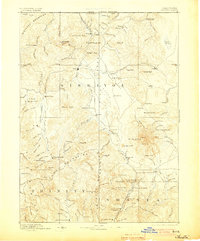
1894 · Shasta
USGS Topo · 1:250,000
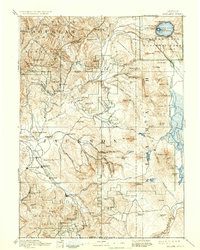
1897 · Ashland
USGS Topo · 1:250,000
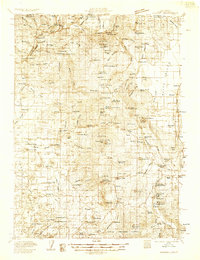
1934 · Macdoel
USGS Topo · 1:96,000