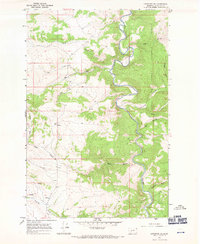
1966 Map of Lingshire NE
USGS Topo · Published 1971About this map
The Smith River carves a deep, winding path through the heart of this central Montana landscape, defining the boundary between open high-country plateaus and the dense timber of the Lewis and Clark National Forest. In the mid-1960s, this area remained largely undeveloped, characterized by a complex network of seasonal drainages and sharp relief. Notable watercourses like Tenderfoot Creek and Blacktail Creek feed the main river corridor from the east, while the western side is marked by the distinctively named One Two Creek and Mud Creek. The presence of Prospects in the southwest corner suggests localized mineral exploration during this era, set against a backdrop of deep limestone-walled breaks such as Black Canyon. Primitive access is documented through several named corridors, including Indiana Gulch and Cow Coulee, which provided essential routes for ranching and forestry operations when this survey was conducted.
Find a feature on this map
18 named features on this map. Tap any name to fly to it.
Don’t see what you’re looking for? This feature index may not catch every label — zoom into the map to look around manually.
Map Details
Editions of this 1966 Lingshire NE Map
2 editions found
Other maps of this area
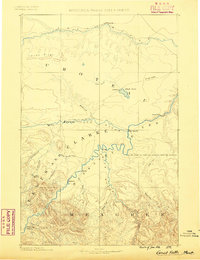
1886 · Great Falls
USGS Topo · 1:250,000
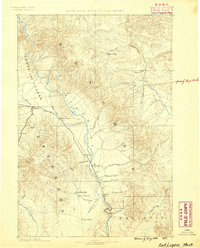
1886 · Fort Logan
USGS Topo · 1:250,000
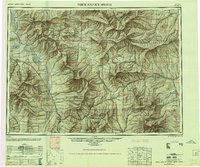
1948 · White Sulphur Springs
USGS Topo · 1:250,000
1954 · Great Falls
USGS Topo · 1:250,000
1957 · Great Falls
USGS Topo · 1:250,000
1958 · White Sulphur Springs
USGS Topo · 1:250,000
1961 · White Sulphur Springs
USGS Topo · 1:250,000
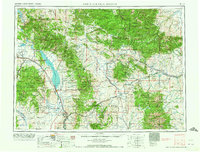
1965 · White Sulphur Springs
USGS Topo · 1:250,000
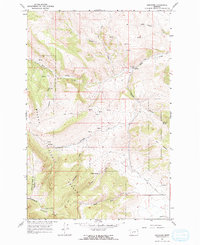
1966 · Lingshire
USGS Topo · 1:24,000
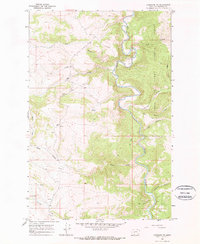
1966 · Lingshire NE
USGS Topo · 1:24,000