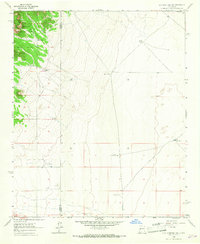
1964 Map of Lion Mountain
USGS Topo · Published 1967About this map
The high-desert terrain of the Cibola National Forest dominates the northwestern corner of this mid-1960s study, where the boundary between Catron County and Socorro County cuts through the landscape. This map captures a dry-land ranching and resource-extraction environment, defined by a sparse network of water sources essential for survival. Family-named infrastructure like the West Chavez Windmill and East Chavez Windmill appear alongside the Little West Chavez Windmill, suggesting a history of local land use and seasonal stock watering. In the southern half of the sheet, the presence of a Landing Area and multiple Borrow Pits near the county line indicates a landscape utilized for regional transit and road material extraction. The eastern expanse transitions into more level territory, punctuated by the seasonal basin of North Lake and isolated points like the Antelope Windmill.
Find a feature on this map
14 named features on this map. Tap any name to fly to it.
Don’t see what you’re looking for? This feature index may not catch every label — zoom into the map to look around manually.
Map Details
Editions of this 1964 Lion Mountain Map
This is the sole edition of this map. No revisions or reprints were ever made.
Other maps of this area
1954 · Socorro
USGS Topo · 1:250,000
1958 · Socorro
USGS Topo · 1:250,000
1962 · Socorro
USGS Topo · 1:250,000
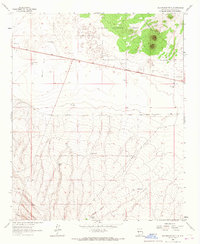
1964 · Arrowhead Well
USGS Topo · 1:24,000
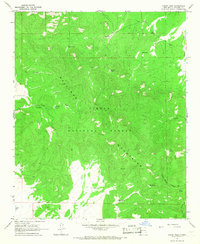
1964 · Indian Mesa
USGS Topo · 1:24,000
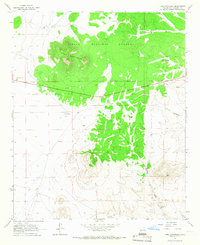
1964 · Tres Montosas
USGS Topo · 1:24,000
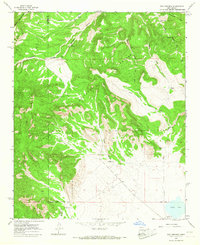
1964 · Dog Springs
USGS Topo · 1:24,000
1964 · Gallinas Peak
USGS Topo · 1:24,000
1964 · Indian Spring Canyon
USGS Topo · 1:24,000
1965 · Lion Mountain
USGS Topo · 1:24,000