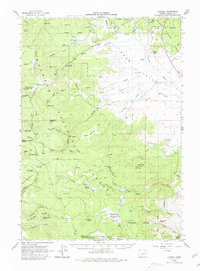
1961 Map of Logdell
USGS Topo · Published 1980About this map
Bear Valley and the surrounding high country of the Malheur National Forest define this landscape, where the Silvies River meanders through meadows and timber. The small settlement of Logdell and the Bear Valley Guard Station serve as central points for forest management and local ranching interests during this era. High-elevation landmarks like Rail Creek Butte and Sand Mountain rise above a network of drainages including Wymer Creek and Jenkins Creek. Evidence of land use and cattle management is visible in labels for Elkhorn Cow Camp, Dipping Vat, and various meadows such as Smith Meadows and Crooked Meadows. The presence of an Airstrip and several jeep trails suggests the area's isolation and the specialized transportation required for fire suppression and resource access. Remote locations like Lost Cabin and The Potholes indicate a history of rugged habitation and specific local nomenclature.
Find a feature on this map
72 named features on this map. Tap any name to fly to it.
Don’t see what you’re looking for? This feature index may not catch every label — zoom into the map to look around manually.
Map Details
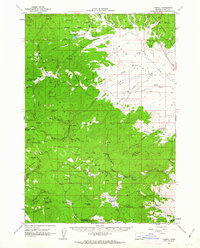
Editions of this 1961 Logdell Map
2 editions found
Other maps of this area
1940 · Mount Vernon
USGS Topo · 1:62,500
1940 · Aldrich Mtn.
USGS Topo · 1:62,500
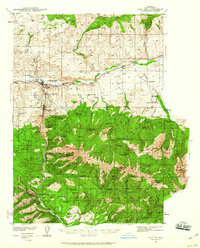
1940 · John Day
USGS Topo · 1:62,500
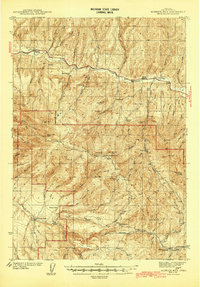
1943 · Aldrich Mtn.
USGS Topo · 1:62,500
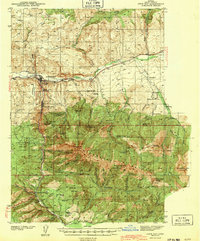
1943 · John Day
USGS Topo · 1:62,500
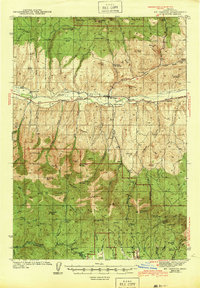
1943 · Mount Vernon
USGS Topo · 1:62,500
1955 · Burns
USGS Topo · 1:250,000
1955 · Canyon City
USGS Topo · 1:250,000
1958 · Burns
USGS Topo · 1:250,000
1959 · Burns
USGS Topo · 1:250,000