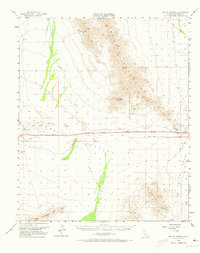
1952 Map of McCoy Spring
USGS Topo · Published 1973About this map
The Chuckwalla Valley (Depression) dominates this 1952 topographic study, revealing a desert landscape shaped by erratic hydrology and early industrial infrastructure. The presence of Ford Well (Aban'd) and various water sources like Hopkins Well and Teague Well points to the vital importance of groundwater for survival and transit in the arid interior of Riverside County. Between the McCoy Mountains and the Mule Mountains, the terrain is marked by a significant Pipe Line and water management features such as a Dike and Diversion Dike, illustrating mid-century efforts to control runoff and support regional development. The map also records the location of the Roosevelt Mine and various prospects, reflecting the persistent search for mineral wealth across the Palo Verde Mesa.
Find a feature on this map
19 named features on this map. Tap any name to fly to it.
Don’t see what you’re looking for? This feature index may not catch every label — zoom into the map to look around manually.
Map Details
Editions of this 1952 McCoy Spring Map
3 editions found
Other maps of this area
1942 · Blythe
USGS Topo · 1:250,000
1945 · Big Maria Mtns
USGS Topo · 1:62,500
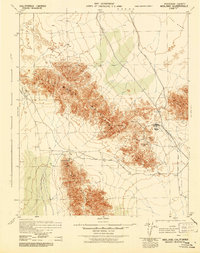
1945 · Midland
USGS Topo · 1:62,500
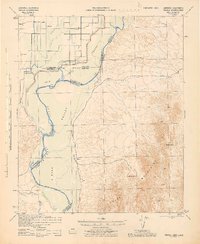
1945 · Cibola
USGS Topo · 1:62,500
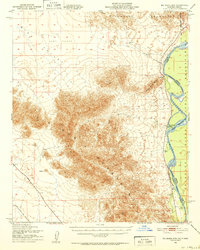
1951 · Big Maria Mts
USGS Topo · 1:62,500
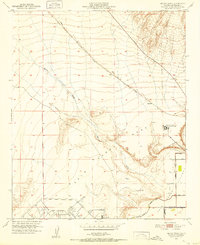
1951 · McCoy Wash
USGS Topo · 1:24,000
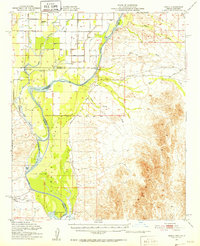
1951 · Cibola
USGS Topo · 1:62,500
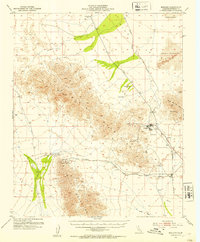
1952 · Midland
USGS Topo · 1:62,500
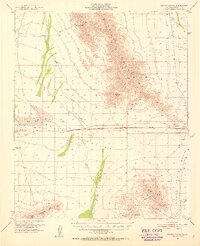
1952 · Mc Coy Spring
USGS Topo · 1:62,500
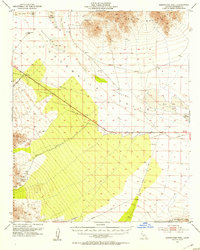
1952 · Sidewinder Well
USGS Topo · 1:62,500