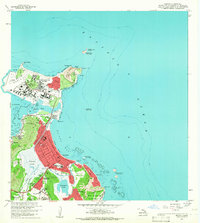
1959 Map of Mokapu
USGS Topo · Published 1966About this map
The coastal landscapes of windward Oahu are defined here by a mix of military installations and residential expansion in the late 1950s. At the peninsula's tip, the Kaneohe Marine Corps Air Station occupies the dramatic volcanic terrain surrounding Ulupau Crater and Pukaulua Pt. This strategic location is separated from the growing community of Kailua by the brackish waters of Nuupia Pond and Halekou Pond. Inland, the map documents significant social institutions such as the Koolau Boys Home and Kawailoa Girls Home, alongside early industry at Kapaa Quarry. The residential character of the era is evident in the planned streets of Lanikai and the recreational footprint of the Mid Pacific Country Club, while bird refuges like Popoia Island and Moku Manu mark the protected offshore islets.
Find a feature on this map
66 named features on this map. Tap any name to fly to it.
Don’t see what you’re looking for? This feature index may not catch every label — zoom into the map to look around manually.
Map Details
Editions of this 1959 Mokapu Map
2 editions found
Other maps of this area
1952 · Koko Head
USGS Topo · 1:24,000
1952 · Mokapu
USGS Topo · 1:24,000
1953 · Honolulu
USGS Topo · 1:24,000
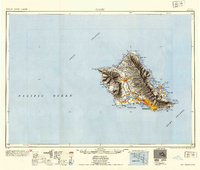
1954 · Oahu
USGS Topo · 1:250,000
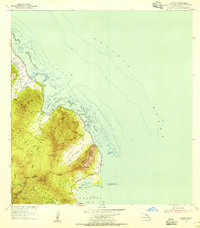
1954 · Kahana
USGS Topo · 1:24,000
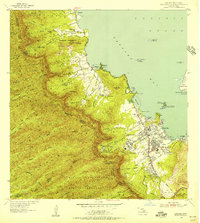
1954 · Kaneohe
USGS Topo · 1:24,000
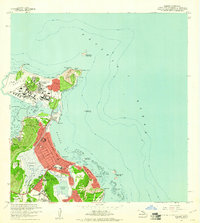
1959 · Mokapu
USGS Topo · 1:24,000
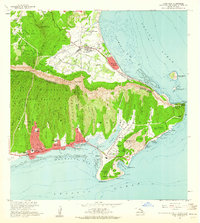
1959 · Koko Head
USGS Topo · 1:24,000
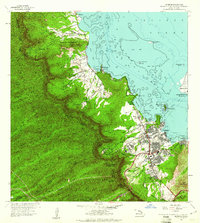
1959 · Kaneohe
USGS Topo · 1:24,000
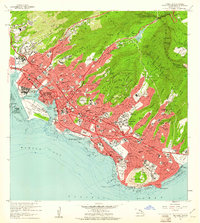
1959 · Honolulu
USGS Topo · 1:24,000