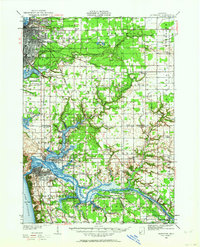
1930 Map of Muskegon
USGS Topo · Published 1964About this map
Muskegon and its southern neighboring communities appear here as they were shaped by the industrial and maritime expansion of the late 1920s. The landscape is defined by the intricate water systems feeding into Lake Michigan, notably the winding Grand River with its numerous named inlets like Deremo Bayou and Pottawattomie Bayou. The Pere Marquette rail lines provide the primary infrastructure for the region, connecting industrial hubs like Muskegon Heights with the lakeshore.
Find a feature on this map
92 named features on this map. Tap any name to fly to it.
Don’t see what you’re looking for? This feature index may not catch every label — zoom into the map to look around manually.
Map Details
Editions of this 1930 Muskegon Map
2 editions found
Other maps of this area
1929 · Montague
USGS Topo · 1:48,000
1929 · Holland
USGS Topo · 1:62,500
1930 · Lake Harbor
USGS Topo · 1:48,000
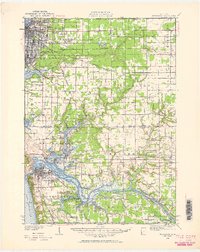
1930 · Muskegon
USGS Topo · 1:62,500
1932 · Holland
USGS Topo · 1:62,500
1936 · Muskegon
USGS Topo · 1:62,500
1936 · Lake Harbor
USGS Topo · 1:62,500
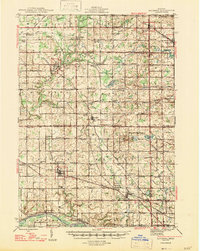
1945 · Ravenna
USGS Topo · 1:62,500
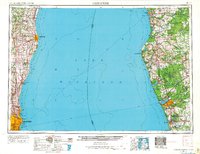
1954 · Milwaukee
USGS Topo · 1:250,000
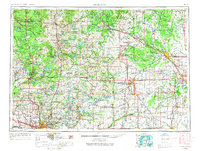
1954 · Midland
USGS Topo · 1:250,000