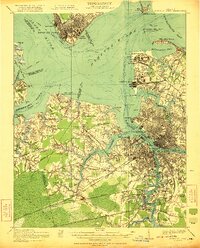
1921 Map of Newport News
USGS Topo · Published 1921About this map
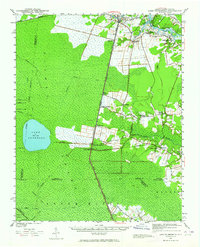
Hampton Roads serves as the central focal point for this survey, illustrating the intensive military and maritime development that defined the region following the Great War. The map details a landscape transition from the urban centers of Newport News, Norfolk, and Portsmouth to the industrial and naval installations that ring the harbor, including the Navy Base, Army Base, and the Navy Yard. The strategic geography of the era is evident in the layout of the Pig Point Ordnance Depot and Camp Stuart, while several Steamboat Routes crisscross the waters of the James River and Chesapeake Bay. Beyond the city grids and shipyards, the landscape softens into the rural fringes of the Dismal Swamp and scattered communities like Churchland, where the Jolliff School and local Cem markers provide vital touchstones for family historians researching the South Hampton Roads area during this period of rapid expansion.
Find a feature on this map
101 named features on this map. Tap any name to fly to it.
Don’t see what you’re looking for? This feature index may not catch every label — zoom into the map to look around manually.
Map Details
Editions of this 1921 Newport News Map
4 editions found
Other maps of this area
1907 · Norfolk
USGS Topo · 1:125,000
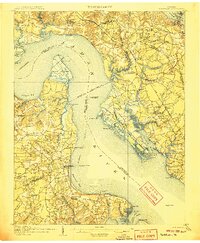
1907 · Yorktown
USGS Topo · 1:62,500
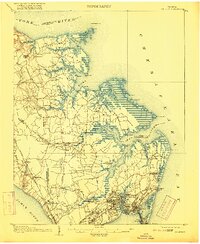
1907 · Hampton
USGS Topo · 1:62,500
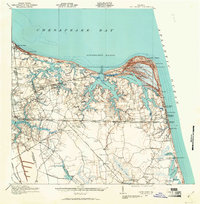
1918 · Cape Henry
USGS Topo · 1:62,500
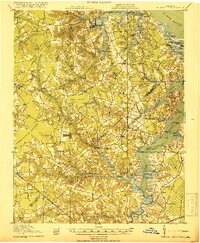
1919 · Smithfield
USGS Topo · 1:62,500
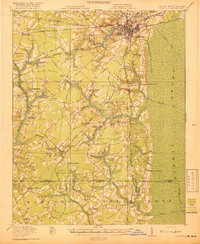
1919 · Suffolk
USGS Topo · 1:62,500
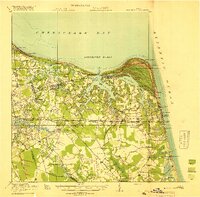
1919 · Cape Henry
USGS Topo · 1:62,500
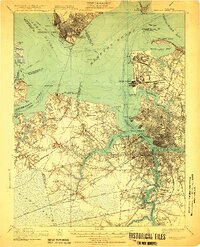
1921 · Newport News
USGS Topo · 1:62,500
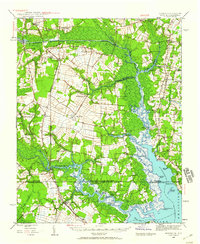
1939 · Moyock
USGS Topo · 1:62,500
1940 · Lake Drummond
USGS Topo · 1:62,500