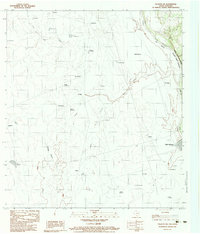
1983 Map of Palafox SW
USGS Topo · Published 1983About this map
Rio Grande frontage and the international boundary between Webb County, Texas, and Coahuila, Mexico, anchor this topographic study. The landscape is defined by traditional rancho names and small clusters of settlement typical of the Rio Grande Valley in the early 1980s. Villa Hildago stands near the riverbank, supported by a local infrastructure of landing strips and utility lines like the 34.5 KV transmission route. The map documents a rugged terrain of ephemeral drainages such as Cañada Galvez and named hills like Loma El Gorrito. Local ranching footprints are visible through sites like Brasil, Santa Marta, and Rancho Nuevo. The presence of Bordos las Hermanas and Bordos Santa Fe indicates essential water management practices in this arid border environment, where seasonal creeks like Agua Verde cross the rolling brushland toward the international line.
Find a feature on this map
43 named features on this map. Tap any name to fly to it.
Don’t see what you’re looking for? This feature index may not catch every label — zoom into the map to look around manually.
Map Details
Editions of this 1983 Palafox SW Map
2 editions found
Other maps of this area
1923 · Palafox
USGS Topo · 1:62,500
1956 · Laredo
USGS Topo · 1:250,000
1982 · Pinto Creek
USGS Topo · 1:24,000
1983 · San Pedro Hill
USGS Topo · 1:24,000
1983 · Fort McIntosh 3 NE
USGS Topo · 1:24,000
1983 · Big Apache Hill
USGS Topo · 1:24,000
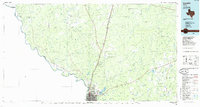
1985 · Laredo
USGS Topo · 1:100,000
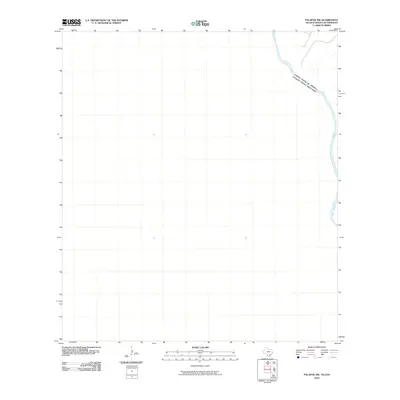
2010 · Palafox SW
USGS Topo · 1:24,000
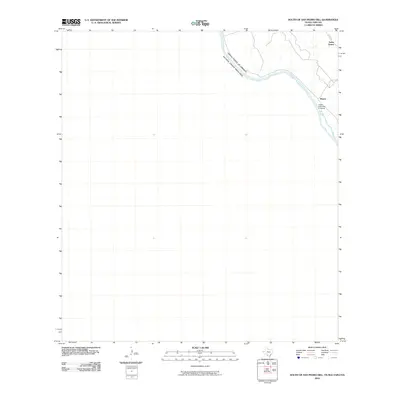
2010 · South of San Pedro Hill
USGS Topo · 1:24,000
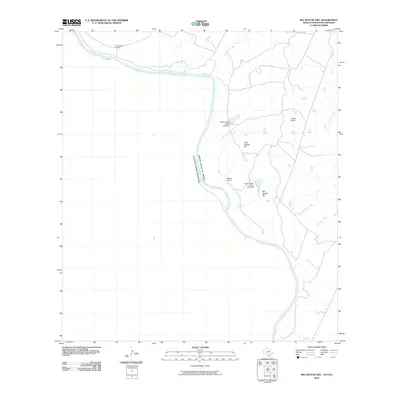
2010 · Big Apache Hill
USGS Topo · 1:24,000