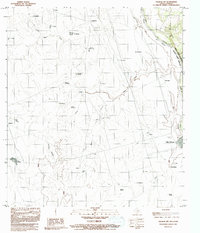
1983 Map of Palafox SW
USGS Topo · Published 1992About this map
The Rio Grande Rio Bravo serves as the international boundary in this arid borderland between Webb County, Texas, and Coahuila, Mexico. The landscape is defined by traditional ranching settlements and water management features such as Agua Verde and various earthen dams, known locally as bordos. On the Mexican side, the village of Villa Hidalgo sits near a landing strip, while the surrounding terrain is dotted with small outposts like Rancho Nuevo and La Encantada. The map illustrates a cross-border environment where geographic features like Cañada Galvez and Los Encinos transition between nations. Sparse infrastructure, including a 345 KV power line and a deactivated telegraph or telephone line labeled TG (Fuera de Uso), underscores the isolation and utilitarian character of this Rio Grande region during the late twentieth century.
Find a feature on this map
41 named features on this map. Tap any name to fly to it.
Don’t see what you’re looking for? This feature index may not catch every label — zoom into the map to look around manually.
Map Details
Editions of this 1983 Palafox SW Map
2 editions found
Other maps of this area
1923 · Palafox
USGS Topo · 1:62,500
1956 · Laredo
USGS Topo · 1:250,000
1982 · Pinto Creek
USGS Topo · 1:24,000
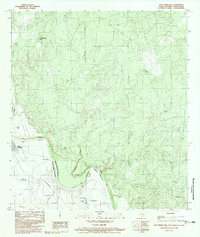
1983 · San Pedro Hill
USGS Topo · 1:24,000
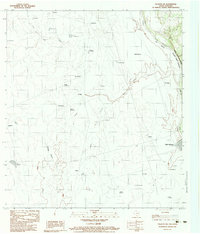
1983 · Palafox SW
USGS Topo · 1:24,000
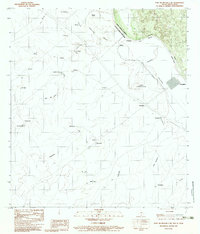
1983 · Fort McIntosh 3 NE
USGS Topo · 1:24,000
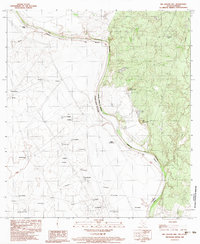
1983 · Big Apache Hill
USGS Topo · 1:24,000
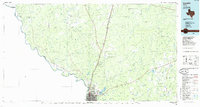
1985 · Laredo
USGS Topo · 1:100,000
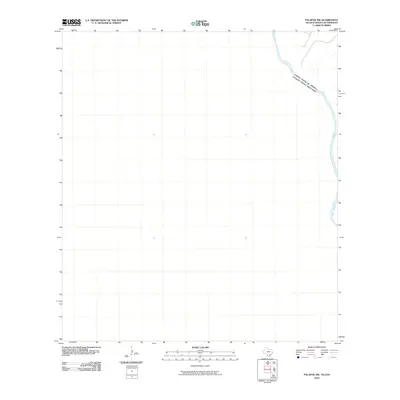
2010 · Palafox SW
USGS Topo · 1:24,000
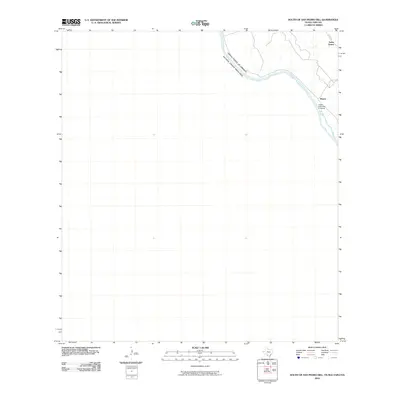
2010 · South of San Pedro Hill
USGS Topo · 1:24,000