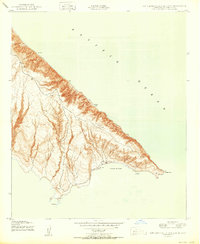
1950 Map of San Clemente Island South
USGS Topo · Published 1950About this map
Pyramid Head and China Point define the southern extremes of this California island, as recorded during a mid-century survey by the Army Map Service and the Geological Survey. The landscape is characterized by sharp elevation changes and coastal indentations, most notably the wide arc of Pyramid Cove and the smaller Mosquito Cove to the northwest. Navigational markers such as the Lighthouse near the southern tip indicate the island's maritime significance. Several high points are identified by specific survey markers, including Thirst 1965, Gray 1681, and Rest 1336, which reflect the meticulous topographic work based on 1943 aerial photography. These labels provide a precise record of the island's southern terrain before later 20th-century developments, focusing on the natural geography and essential maritime aids of the era.
Find a feature on this map
13 named features on this map. Tap any name to fly to it.
Don’t see what you’re looking for? This feature index may not catch every label — zoom into the map to look around manually.
Map Details
Editions of this 1950 San Clemente Island South Map
This is the sole edition of this map. No revisions or reprints were ever made.
Other maps of this area
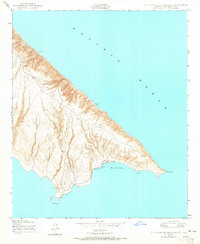
1943 · San Clemente Island South
USGS Topo · 1:24,000
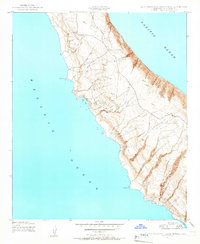
1943 · San Clemente Island Central
USGS Topo · 1:24,000
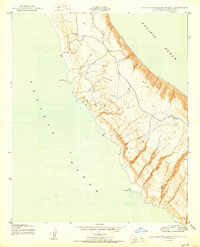
1950 · San Clemente Island Central
USGS Topo · 1:24,000
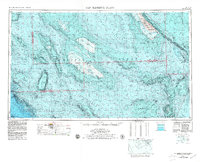
1957 · San Clemente Island
USGS Topo · 1:250,000
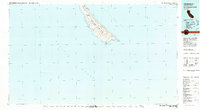
1980 · San Clemente Island
USGS Topo · 1:100,000
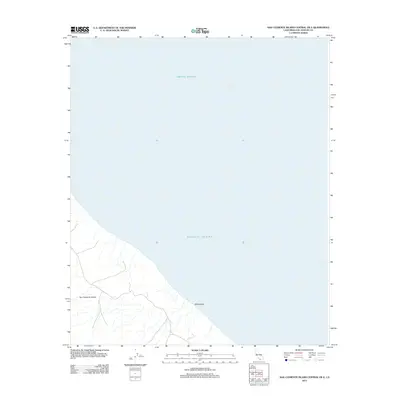
2012 · San Clemente Island Central OE E
USGS Topo · 1:24,000
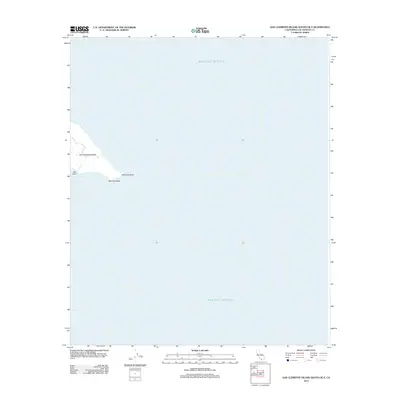
2012 · San Clemente Island South OE E
USGS Topo · 1:24,000
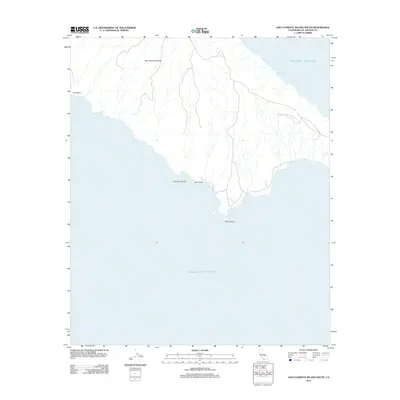
2012 · San Clemente Island South
USGS Topo · 1:24,000
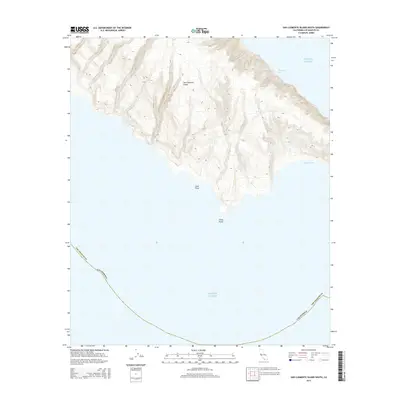
2015 · San Clemente Island South
USGS Topo · 1:24,000
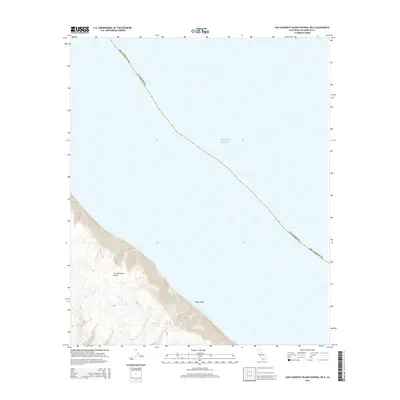
2015 · San Clemente Island Central OE E
USGS Topo · 1:24,000