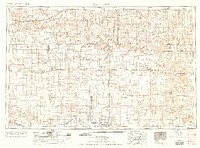
1958 Map of Scott City
USGS Topo · Published 1958About this map
The Smoky Hill River and its various tributaries like Chalk Creek carve through the High Plains of western Kansas, where deep drainage patterns meet the level wheat country. Centered on Scott City, the landscape is defined by its strategic transportation corridors, where the Missouri Pacific and Atchison Topeka and Santa Fe railroads intersect. To the north, the Chalk Pyramids stand as a geological landmark in Gove County, illustrating the stark erosion of the Niobrara Formation.
Find a feature on this map
106 named features on this map. Tap any name to fly to it.
Don’t see what you’re looking for? This feature index may not catch every label — zoom into the map to look around manually.
Map Details
Editions of this 1958 Scott City Map
This is the sole edition of this map. No revisions or reprints were ever made.
Other maps of this area
1890 · Granada
USGS Topo · 1:125,000
1891 · Albany
USGS Topo · 1:125,000
1891 · Larned
USGS Topo · 1:125,000
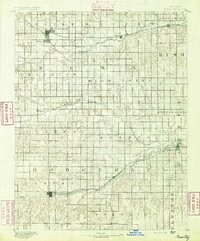
1892 · Ness
USGS Topo · 1:125,000
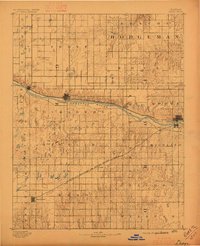
1892 · Dodge
USGS Topo · 1:125,000
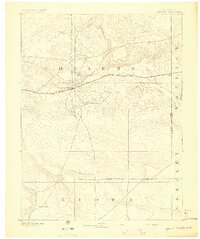
1892 · Cheyenne Wells
USGS Topo · 1:125,000
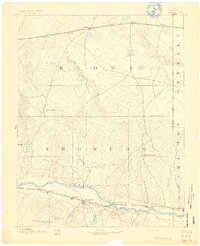
1892 · Granada
USGS Topo · 1:125,000
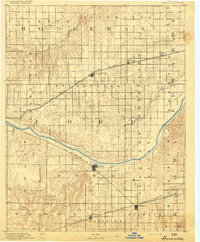
1892 · Spearville
USGS Topo · 1:125,000
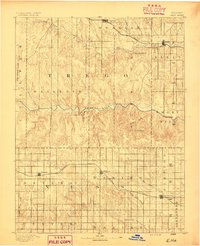
1893 · Ellis
USGS Topo · 1:125,000
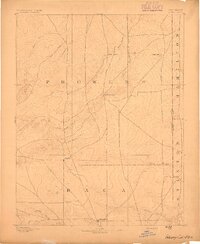
1893 · Albany
USGS Topo · 1:125,000