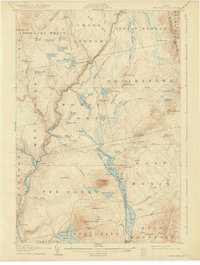
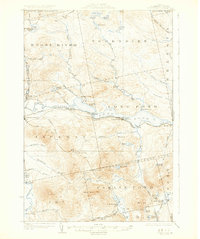
1907 Map of The Forks
USGS Topo · Published 1927About this map
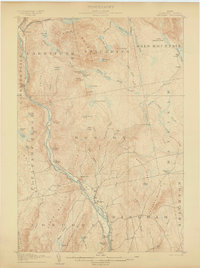
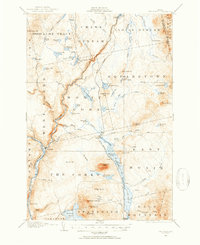
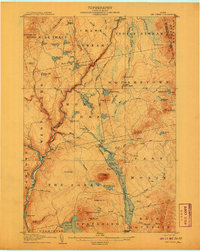
The Forks serves as the central focal point of this northern Maine landscape, where the convergence of waters defines the local geography. Surveyed in the early twentieth century, the map reveals a wilderness divided into large land management units like the 10000 Acre Tract, Moxie Gore, and Squaretown. These divisions reflect the state's historical timber and public land tradition. Navigation through this dense network of ponds and ridges relied on thoroughfares like the Shirley Tote Road, while early water management is evidenced by the presence of Squirtgun Dam and other unnamed dams near Black Brook Pond. From the heights of Bald Mountain and Big Squaw Mountain down to the Black Narrows of the river system, the map documents a period when the economy was deeply tied to the logging industry and the remote camps scattered throughout the hills.
Find a feature on this map
85 named features on this map. Tap any name to fly to it.
Don’t see what you’re looking for? This feature index may not catch every label — zoom into the map to look around manually.
Map Details
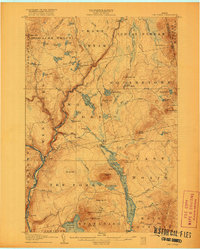
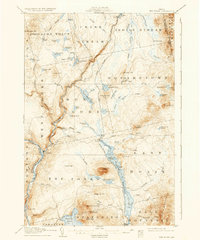
Editions of this 1907 The Forks Map
4 editions found
Other maps of this area
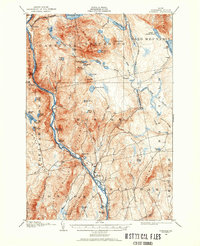
1903 · Bingham
USGS Topo · 1:62,500
1905 · Bingham
USGS Topo · 1:62,500
1905 · The Forks
USGS Topo · 1:62,500
1907 · The Forks
USGS Topo · 1:62,500
1920 · Moosehead Lake
USGS Topo · 1:62,500
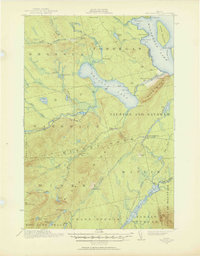
1921 · Brassua Lake
USGS Topo · 1:62,500
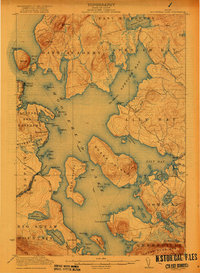
1922 · Moosehead Lake
USGS Topo · 1:62,500
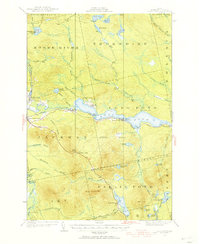
1922 · Long Pond
USGS Topo · 1:62,500
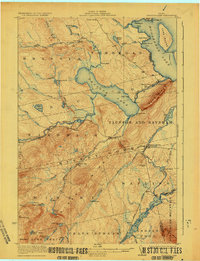
1923 · Brassua Lake
USGS Topo · 1:62,500
1924 · Long Pond
USGS Topo · 1:62,500