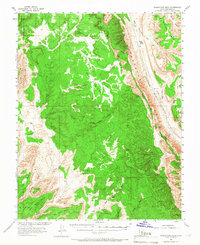
1953 Map of Wagon Box Mesa
USGS Topo · Published 1966About this map
Waterpocket Fold dominates the eastern edge of this mid-century survey, revealing the dramatic geological uplifting and erosion that characterizes this part of the Colorado Plateau. Prepared in cooperation with the Atomic Energy Commission during an era of intense uranium exploration, the map identifies a single Prospect and a landmark known as the Lamp Stand among the high plateaus. The landscape is defined by vast, flat-topped mesas and deeply incised drainage systems, including Muley Twist Canyon and the serrated ridges of Oyster Shell Reef. Names like Wagon Box Mesa and Wolverine Bench hint at the area's grazing and ranching heritage, even as much of the western portion is managed as part of the Dixie National Forest. Seasonal water sources like the Onion Flats Seep and creeks such as Halls Creek provided critical landmarks for those navigating the Circle Cliffs and Death Ridge.
Find a feature on this map
32 named features on this map. Tap any name to fly to it.
Don’t see what you’re looking for? This feature index may not catch every label — zoom into the map to look around manually.
Map Details
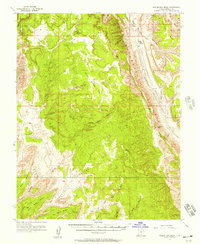
Editions of this 1953 Wagon Box Mesa Map
2 editions found
Other maps of this area
1885 · San Rafael
USGS Topo · 1:250,000
1885 · Fish Lake
USGS Topo · 1:250,000
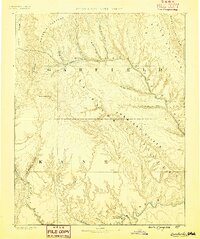
1886 · Escalante
USGS Topo · 1:250,000
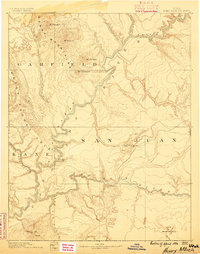
1886 · Henry Mountains
USGS Topo · 1:250,000
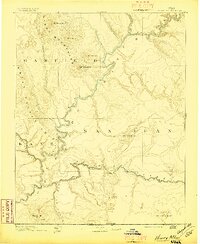
1892 · Henry Mountains
USGS Topo · 1:250,000
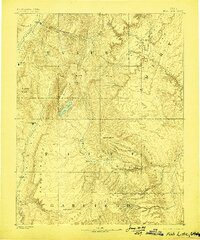
1896 · Fish Lake
USGS Topo · 1:250,000
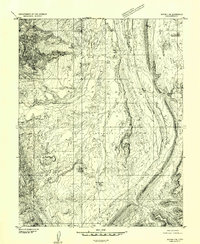
1952 · Notom 4 SE
USGS Topo · 1:24,000
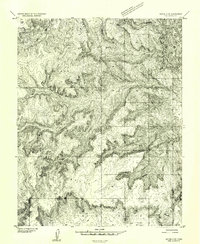
1952 · Notom 4 SW
USGS Topo · 1:24,000
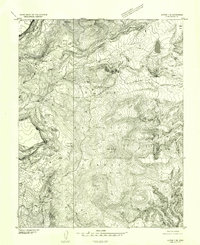
1952 · Notom 3 SE
USGS Topo · 1:24,000
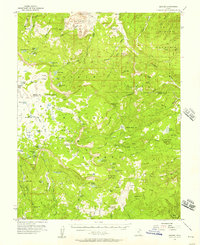
1952 · Grover
USGS Topo · 1:62,500