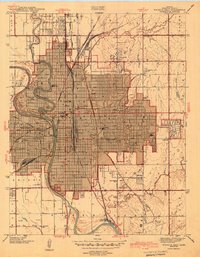
1943 Map of Wichita East
USGS Topo · Published 1943About this map
Wichita serves as a thriving hub of transportation and education during the early 1940s, anchored by the winding Arkansas River and the industrial Drainage Canal. The city's rail-driven economy is evident through the convergence of major lines like the Atchison Topeka and Santa Fe and the Missouri Pacific, meeting at the centrally located Union Station. Beyond the dense urban grid, the landscape transitions into a sprawling network of community institutions, including Wichita University, Friends University, and St Marys Academy.
Find a feature on this map
56 named features on this map. Tap any name to fly to it.
Don’t see what you’re looking for? This feature index may not catch every label — zoom into the map to look around manually.
Map Details
Editions of this 1943 Wichita East Map
2 editions found
Other maps of this area
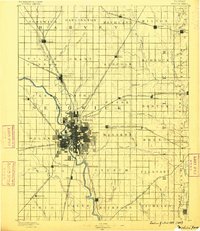
1889 · Wichita
USGS Topo · 1:125,000
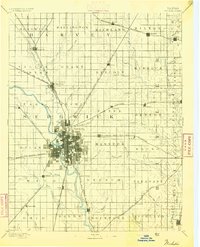
1894 · Wichita
USGS Topo · 1:125,000
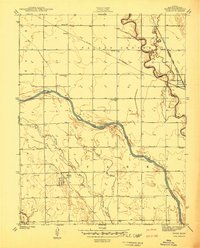
1941 · Maize
USGS Topo · 1:31,680
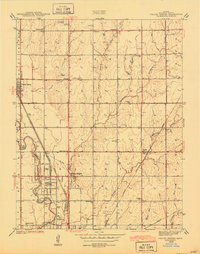
1941 · Valley Center
USGS Topo · 1:31,680
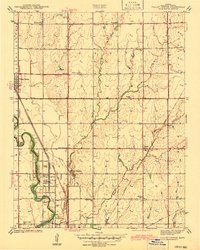
1942 · Valley Center
USGS Topo · 1:31,680
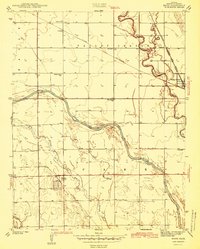
1942 · Maize
USGS Topo · 1:31,680
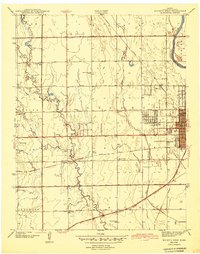
1943 · Wichita West
USGS Topo · 1:31,680
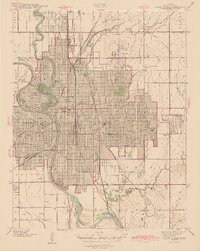
1943 · Wichita East
USGS Topo · 1:31,680
1943 · Derby
USGS Topo · 1:31,680
1943 · Bayneville
USGS Topo · 1:31,680