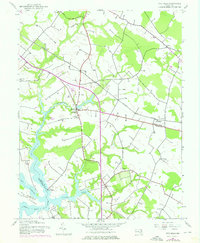
1942 Map of Wye Mills
USGS Topo · Published 1976About this map
Wye Mills serves as a historic nexus on this mid-century survey of the Eastern Shore, where the boundaries of Queen Anne's and Talbot counties meet. The landscape is defined by the intricate tidal reaches of the Wye River and Wye East River, framing Wye Island and the Wye Narrows. This document preserves the footprint of early Maryland rural life, showing the distribution of small settlements like Skipton and Willoughby alongside local institutions such as Old St Joseph Ch and St Pauls Ch. Of particular note is Wye Oak State Park, which at this time protected the legendary White Oak, once the largest of its species in the United States. The mapping also tracks infrastructure changes through the early 1970s, including the grounds of Chesapeake College and the route of the Baltimore and Eastern railroad, reflecting the slow evolution of this agricultural and maritime region.
Find a feature on this map
21 named features on this map. Tap any name to fly to it.
Don’t see what you’re looking for? This feature index may not catch every label — zoom into the map to look around manually.
Map Details
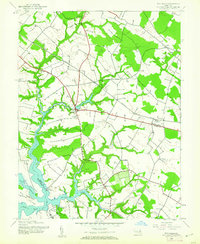
Editions of this 1942 Wye Mills Map
2 editions found
Other maps of this area
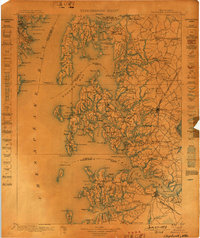
1898 · Choptank
USGS Topo · 1:125,000
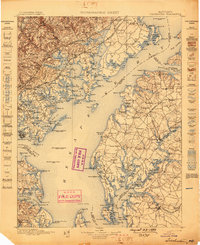
1898 · Tolchester
USGS Topo · 1:125,000
1899 · Dover
USGS Topo · 1:125,000
1901 · Chestertown
USGS Topo · 1:62,500
1903 · Tolchester
USGS Topo · 1:125,000
1904 · St. Michaels
USGS Topo · 1:62,500
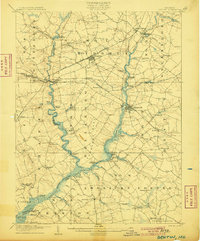
1905 · Denton
USGS Topo · 1:62,500
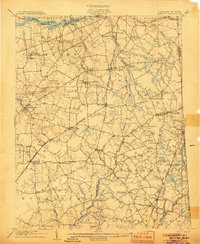
1905 · Barclay
USGS Topo · 1:62,500
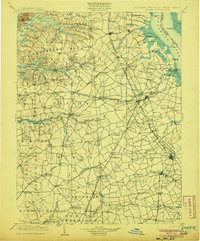
1906 · Dover
USGS Topo · 1:125,000
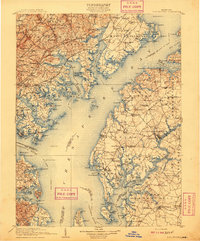
1908 · Tolchester
USGS Topo · 1:125,000