Old Maps of Phenix City, Alabama for Academic Research
Study the evolution of Phenix City with 54 high-resolution historic maps. Whether you're teaching, researching, or modeling changes in land use, these maps provide essential visual documentation of urban, environmental, and geographic change.
- Analyze long-term change: Track patterns in development, transportation, and natural features.
- Ideal for environmental or urban studies: Support academic projects with primary historical map data.
- Use in the classroom or lab: Educators and researchers rely on these maps to bring historical context to life.
These maps are a powerful tool for teaching, research, and visualizing how Phenix City has changed over the decades.
Phenix City, AL maps
(54)- 1907 Map of Talbotton
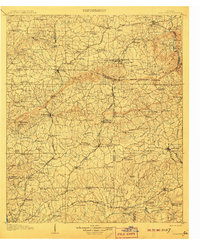 1907 Talbotton1907 Print · USGSWest-central Georgia at the turn of the century is a landscape of ridges and rail-lines, dominated by the thermal waters of Warm Springs. Local historians can trace the foundations of Talbotton and rural life at Turntime Crossroads, Cataula Camp Ground, and Greens Mill.3 unique versions available
 - 1907 Map of Opelika, 1963 Print
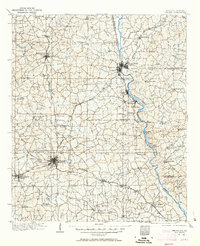 1907 Opelika1963 Print · USGSEastern Alabama and western Georgia come alive in this early 1900s survey of the rail-and-river economy. Genealogists can trace family names at Mitchell Crossroads, find rural landmarks like the Poor Farm, and locate historic river crossings like Dixon Ferry.
 - 1908 Map of Columbus
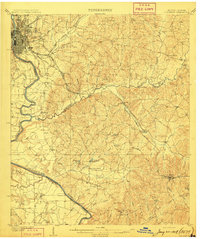 1908 Columbus1908 Print · USGSThe Chattahoochee riverfront at the dawn of the century shows the thriving river-and-rail economy of the Georgia-Alabama border. Genealogists and historians can trace early landings like BRADLEY LDG, rural congregations at Goodhope Church, and the operations at Cooks Mill.8 unique versions available
 - 1909 Map of Opelika
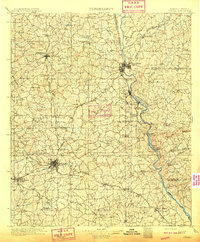 1909 Opelika1909 Print · USGSEastern Alabama and western Georgia are seen here in the first decade of the twentieth century as the river-and-rail economy reached its peak. Genealogists and historians can trace old river crossings like Blanton Ferry, rural post offices such as Antioch Church Huckabee P O, and the path of the Chattahoochee Valley railroad.4 unique versions available
 - 1914 Map of Seale
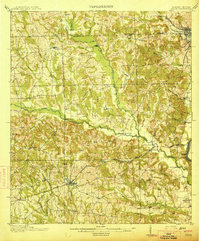 1914 Seale1914 Print · USGSRussell County's agricultural and railroad landscape is meticulously documented just before the First World War. Genealogists can trace family connections through local landmarks like Kite School, the community of Sand Fort, and historical river crossings like Perrys Ford.6 unique versions available
 - 1929 Map of Columbus
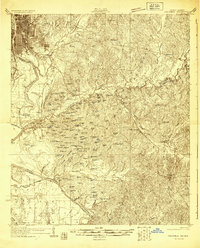 1929 Columbus1929 Print · USGSThe Georgia-Alabama borderlands come alive in this late 1920s survey of the bustling military and rail hub around Columbus. Genealogists and historians can trace the transition from rural farmsteads to military grounds at Fort Benning, identifying family landmarks like Greenwood Hill and Holliday Hill.
 - 1947 Map of Columbus, 1954 Print
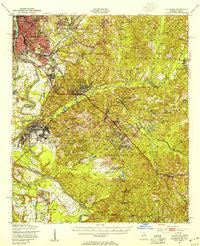 1947 Columbus1954 Print · USGSPostwar Georgia and Alabama meet along the Chattahoochee River in this detailed study of military expansion and urban growth. Genealogists and historians can trace family-named landmarks across Fort Benning and locate sites like Riverdale Cem, Midway Ch, and Baker Village.2 unique versions available
 - 1949 Map of Fort Mitchell
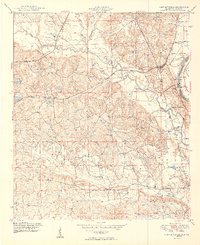 1949 Fort Mitchell1949 Print · USGSRussell County, Alabama, was a landscape of military expansion and rural rail stops shortly after the war. You can trace the Central of Georgia line as it passes through Fort Mitchell and Lato, or locate riverfront sites like Bradley Landing.2 unique versions available
 - 1949 Map of Columbus
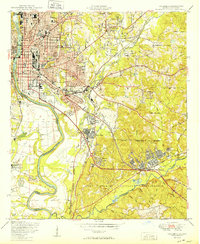 1949 Columbus1949 Print · USGSColumbus and Phenix City flank the Chattahoochee River during a period of massive military growth following the war. Genealogists can trace family footprints through Linwood Cem and neighborhood schools like St Elmo School or Jordan High School.2 unique versions available
 - 1950 Map of Fortson, 1953 Print
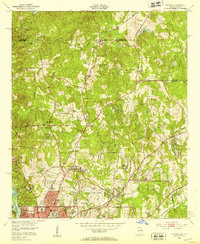 1950 Fortson1953 Print · USGSThe northern suburbs of Columbus were beginning to take shape in the early fifties, while rural outposts like Fortson and Nankipooh remained distinct. Genealogists can locate family landmarks such as Mealing Cem and Double Churches or trace the early layout of the Muscogee County Airport.2 unique versions available
 - 1950 Map of Phenix City, 1954 Print
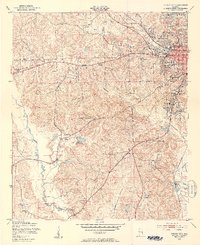 1950 Phenix City1954 Print · USGSPhenix City and Girard are captured here in the early fifties, showing a dense community of schools, churches, and industry along the Georgia border. Genealogists can trace family landmarks like the Carmichael Cemetery, St Pauls Church, and the settlement at Ladonia.2 unique versions available
 - 1950 Map of Seale, 1955 Print
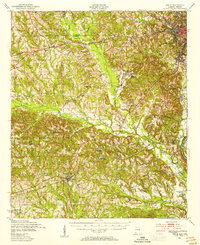 1950 Seale1955 Print · USGSRussell County during the mid-century shows a landscape of small farming communities and expanding military boundaries. Genealogists can trace family roots through numerous rural landmarks like Evans Cem, Hillside Chapel, and the Brickyard Sch.
 - 1950 Map of Ellerslie, 1955 Print
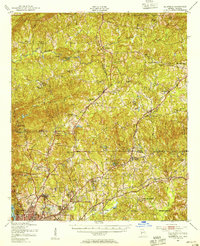 1950 Ellerslie1955 Print · USGSThe Muscogee and Harris County borderlands appear here in the mid-twentieth century as the city of Columbus begins its northward expansion. Researchers can trace the rural roots of the region through landmarks like Turntime Crossroads, Double Churches, and the Columbus Speedway Racetrack.
 - 1955 Map of Phenix City, 1959 Print
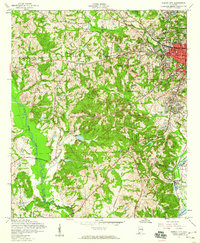 1955 Phenix City1959 Print · USGSThe mid-century landscape of Russell County reveals the growth of Phenix City and the industrial activity at Kaolin. Genealogists and historians can trace numerous rural landmarks, from Friendship Cemetery and Uchee Hill Church to the legacy of Mother Mary Mission.5 unique versions available
 - 1955 Map of Fort Mitchell, 1959 Print
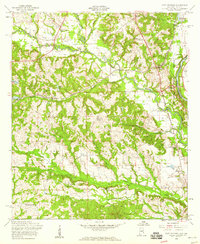 1955 Fort Mitchell1959 Print · USGSThe Alabama-Georgia borderlands come to life in the mid-fifties as the Chattahoochee River meets the expanding Fort Benning Military Reservation. Genealogists and local historians can trace rural sites like Oswichee, Bradley Landing, and the Providence Cem before modern development altered the landscape.3 unique versions available
 - 1955 Map of Columbus, 1959 Print
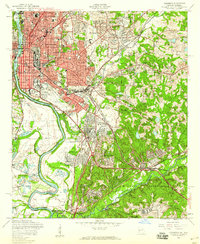 1955 Columbus1959 Print · USGSMid-century Columbus and Phenix City thrive along the river at the height of their industrial and military significance. Genealogists and local historians can locate many vanished city schools, the sprawling Rose Hill Cemetery, and the early layout of the Fort Benning Military Reservation.5 unique versions available
 - 1955 Map of Fortson, 1959 Print
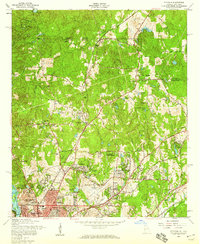 1955 Fortson1959 Print · USGSMuscogee County is shown in the mid-fifties as the northern edge of Columbus begins its post-war expansion into the countryside. Researchers can trace old family roots and rural landmarks at Double Churches, Pierce Chapel Cemetery, and the historic settlement of Nankipooh.5 unique versions available
 - 1955 Map of Ellerslie, 1961 Print
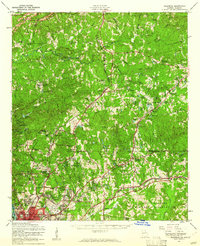 1955 Ellerslie1961 Print · USGSMid-century Harris and Muscogee counties were defined by rural crossroads and the northward expansion of Columbus. Genealogists and researchers can trace family landmarks like Turntime Crossroads, Pierce Chapel, and the Good Samaritan Home for Aged.
 - 1955 Map of Columbus, 1961 Print
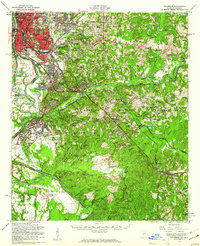 1955 Columbus1961 Print · USGSColumbus and the neighboring military lands at Fort Benning are shown here during a period of significant post-war growth. Researchers can trace family sites among the many named hills and local landmarks like Montgomery Mill, St Peters Ch, and the Central of Georgia rail lines.
 - 1955 Map of Seale, 1961 Print
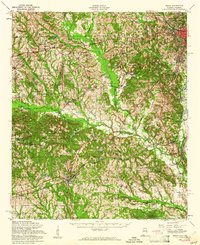 1955 Seale1961 Print · USGSEast Alabama in the mid-1950s was a landscape of river-bend settlements and deep-rooted rural communities. Genealogists can trace family landmarks and historic sites like Fort Mitchell, St Matthews Ch, and the long-standing Oswichee post office.
 - 1955 Map of Phenix City, 1964 Print
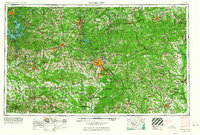 1955 Phenix City1964 Print · USGSPost-war Alabama and Georgia meet along the Chattahoochee River as industry and military installations expand. Trace the rail lines of the Central of Georgia through towns like Opelika, Tuskegee, and Alexander City.3 unique versions available
 - 1957 Map of Phenix City
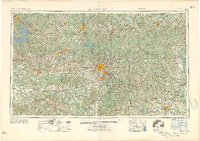 1957 Phenix City1957 Print · USGSThe Alabama-Georgia borderlands are captured here in the mid-fifties, centered on the bustling river crossing at Phenix City and Columbus. Researchers can trace the mid-century footprint of the Fort Benning Military Reservation or locate smaller textile and railroad towns like Langdale and Camp Hill.
 - 1958 Map of Phenix City
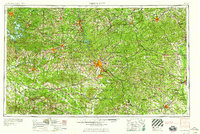 1958 Phenix City1958 Print · USGSThe Alabama-Georgia borderlands thrive during the late fifties, anchored by the river-driven industry of Columbus and Phenix City. Researchers can trace the mid-century footprints of Fort Benning, Auburn, and the textile towns of Fairfax and Lanett.
 - 1965 Map of Smiths, 1967 Print
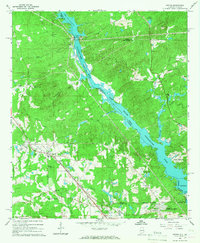 1965 Smiths1967 Print · USGSThe Alabama-Georgia borderlands along the Chattahoochee River are captured here in the mid-sixties as hydroelectric dams reshaped the valley. Trace the growth of Smiths and Monterey Heights or locate family sites at Mt Zion Cem and Union Grove Ch.3 unique versions available
 - 1981 Map of Opelika, 1982 Print
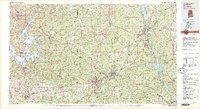 1981 Opelika1982 Print · USGSEast Alabama and West Georgia appear in the early 1980s as a region defined by massive river reservoirs and the storied textile corridor. Genealogists can trace family roots through the valley towns of Lanett and Fairfax or locate sites near Horseshoe Bend National Military Park.
Showing maps 1-25 of 54
Top cities near Phenix City
Top neighborhoods of Phenix City
- Greenbrier historical maps
- Garrett Heights historical maps
- Lakewood Heights historical maps
- Carriage Hill historical maps
- Rolling Hills historical maps
- Fontaine Village historical maps
See more
Frequently asked questions
- What are the different types of historical maps available for Phenix City?
- What is the oldest map of Phenix City?
- Where can I purchase historical maps of Phenix City for my home or office?
- Where can I download high-res historical maps of Phenix City?
- Are there historical topographic maps available for Phenix City?
- Is there historical aerial imagery available for Phenix City?
- Where are historical maps of Phenix City sourced from?