Old Maps of Cane, Arizona for Hiking & Exploration
Hike through history with 14 historic maps of Cane. Explore old trails, ghost towns, and forgotten backroads — perfect for outdoor adventurers and local explorers.
- Rediscover forgotten places: Map out old mining camps, roads, and footpaths that no longer exist on modern maps.
- Layer with modern tools: Combine with LiDAR or satellite views to plan hikes through historical terrain.
- Made for exploration: Popular among hikers, overlanders, and local history lovers.
Use these maps to find adventure and explore the hidden past of Cane.
Cane, AZ maps
(14)- 1886 Map of Kaibab, 1900 Print
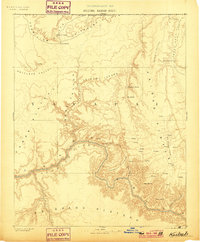 1886 Kaibab1900 Print · USGSThe northern Arizona frontier is captured in the late 1880s as early surveyors mapped the deep canyonlands and plateau systems. Researchers can locate critical water sources like Pipe Spring and early landmarks including Shivas Temple and Point Sublime.9 unique versions available
 - 1936 Map of Jacobs Lake
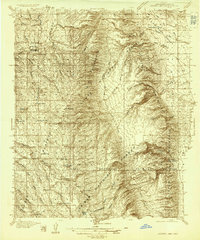 1936 Jacobs Lake1936 Print · USGSThe Kaibab Plateau in the mid-1930s was a landscape of high-altitude forests and remote truck trails. Genealogists and researchers can trace the early road network of U S Highway No 89 and locate isolated outposts like the Jacobs Lake Ranger Station.
 - 1940 Map of Jacob Lake
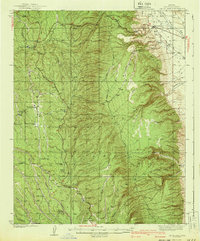 1940 Jacob Lake1940 Print · USGSThe high plateau of the Arizona Strip is captured here in the mid-1930s, showing the early forest service and ranching footprint. You can trace the historic Kane Trail, locate the Jacob Lake Ranger Sta, and identify remote watering spots like Kane Springs.2 unique versions available
 - 1953 Map of Jacobs Lake, 1955 Print
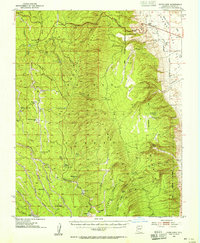 1953 Jacobs Lake1955 Print · USGSThe Kaibab Plateau and the gateway to the North Rim appear here during a period of forest management and highway development in the mid-1950s. Researchers can trace historic routes like the Grand Canyon Highway and locate remote outposts like Jacob Lake Ranger Sta and Kane Corral.4 unique versions available
 - 1953 Map of Grand Canyon, 1967 Print
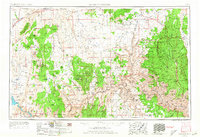 1953 Grand Canyon1967 Print · USGSArizona's northern frontier is captured here in the mid-twentieth century, from the high plateaus to the desert basins. Trace early routes like Arizona 67, explore the isolated Moccasin settlement, or locate early landmarks such as Mount Trumbull.3 unique versions available
 - 1957 Map of Grand Canyon
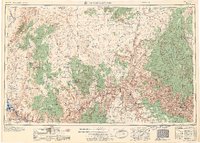 1957 Grand Canyon1957 Print · USGSNorthern Arizona in the mid-fifties presents a sparsely settled expanse of high plateaus and ranching outposts surrounding the great canyon. Genealogists and historians can trace family land at Diamond Butte Ranch, locate the Moccasin settlement, or study the magnesium works at Black Diamond Mine.
 - 1958 Map of Grand Canyon
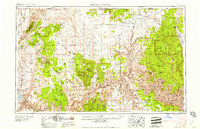 1958 Grand Canyon1958 Print · USGSNorthern Arizona in the late fifties was a landscape of remote cattle ranches and timber operations spanning from the Virgin Mountains to the Kaibab Forest. Researchers can locate family outposts like Bundy Ranch, trace the Temple Trail, or find the Parashant Lumber Mill.
 - 1960 Map of Grand Canyon
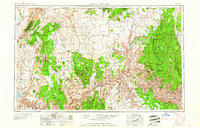 1960 Grand Canyon1960 Print · USGSThe Arizona strip and the Colorado River corridor appear in the 1950s as a vast network of isolated plateaus and remote outposts. Researchers can trace historic ranching and tribal lands including Supai, the Kaibab Indian Reservation, and the Mt Trumbull Post Office.
 - 1984 Map of Fredonia
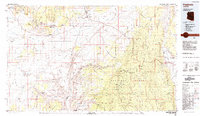 1984 Fredonia1984 Print · USGSThe Arizona Strip in the mid-1980s reveals a sparse network of settlements and vast public lands. Genealogists and historians can trace the foundations of Fredonia and Colorado City or locate landmarks like Pipe Spring National Monument.2 unique versions available
 - 1988 Map of Cane
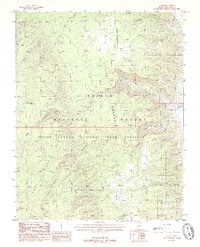 1988 Cane1988 Print · USGSCoconino County was characterized by vast protected wilderness and remote ranching outposts in the late 1980s. Historians and researchers can trace the management of water and livestock through features like Cane Springs, Cane Aqueduct, and the corral.2 unique versions available
 - 2012 Map of Kane Ranch, 2012 Print
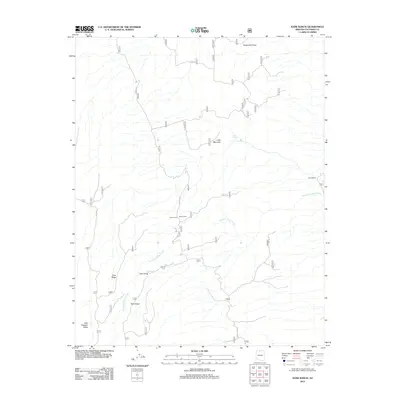 2012 Kane Ranch2012 Print · USGSCoconino County ranching country is mapped here in the early 2010s, showcasing the isolated livestock outposts of the Arizona Strip. Genealogists and local historians can trace the geography of high-desert grazing via Kane Ranch, Cane Springs, and Kane Corral.
 - 2014 Map of Kane Ranch, 2014 Print
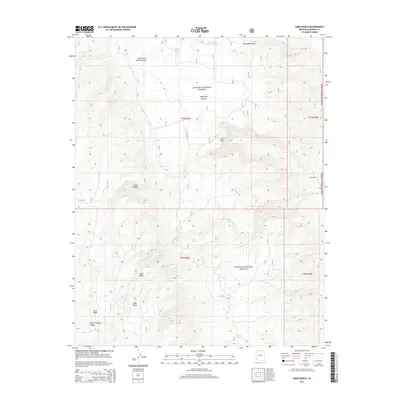 2014 Kane Ranch2014 Print · USGSCoconino County ranching country is captured here in the early twenty-first century, showing the remote high-desert landscape of the Vermilion Cliffs area. Researchers can trace land use through cattle-country landmarks like Kane Ranch and vital water sources such as Cane Springs and Kane Trick Tank.
 - 2018 Map of Kane Ranch, 2018 Print
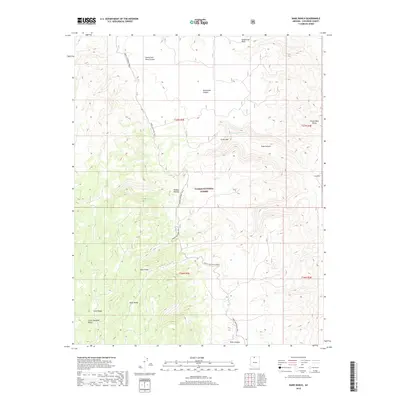 2018 Kane Ranch2018 Print · USGSCoconino County’s high-desert ranching and forest lands are revealed here in the late twenty-teens. Follow the historic Great Western Trail as it winds past Kane Ranch, Cane Springs, and the prominent Tater Point.
 - 2021 Map of Kane Ranch, 2021 Print
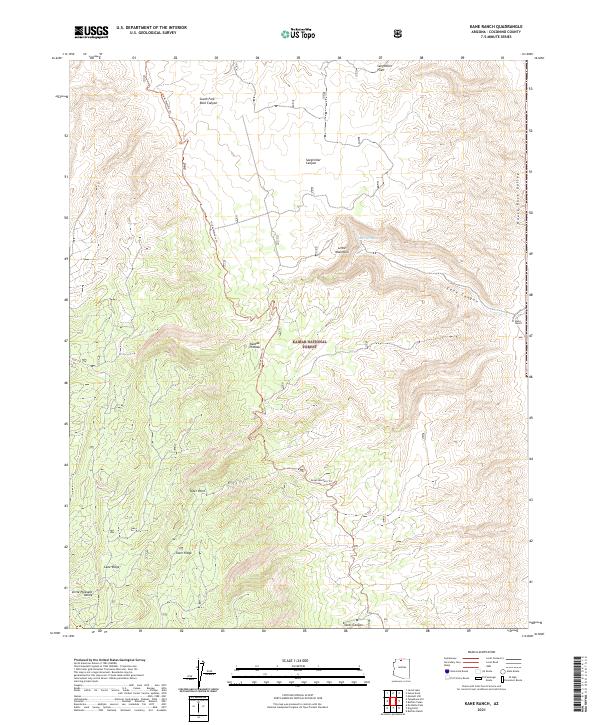 2021 Kane Ranch2021 Print · USGSThe Kaibab Plateau and House Rock Valley meet in this recent survey of Northern Arizona's high desert. Researchers can trace the Great Western Trl through the Kaibab National Forest and locate Kane Ranch and Kane Springs.
End of results
Showing maps 1-14 of 14
Frequently asked questions
- What are the different types of historical maps available for Cane?
- What is the oldest map of Cane?
- Where can I purchase historical maps of Cane for my home or office?
- Where can I download high-res historical maps of Cane?
- Are there historical topographic maps available for Cane?
- Is there historical aerial imagery available for Cane?
- Where are historical maps of Cane sourced from?