Old Maps of Pinetop-Lakeside, Arizona for Metal Detecting
Plan your next treasure hunt with 36 historic maps of Pinetop-Lakeside. Find old homesites, ghost towns, trails, and gathering spots that may be lost to time — perfect for identifying promising metal detecting locations.
- Locate forgotten sites: Uncover places like long-lost settlements, abandoned rail lines, or gathering spots.
- Plan better hunts: Use map overlays combined with LiDAR or satellite views to narrow in on historically rich areas.
- Made for detectorists: Thousands of hobbyists use these maps to discover relics, coins, and hidden history.
Use these historic maps to boost your research and find new opportunities beneath the surface of Pinetop-Lakeside.
Pinetop-Lakeside, AZ maps
(36)- 1886 Map of St Johns
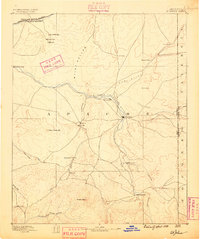 1886 St Johns1886 Print · USGSApache County in the 1880s was a landscape of emerging pioneer outposts and high-plateau cattle ranching. Researchers can trace the early footprints of settlements like St Johns and Erastus or locate the original path of the Atlantic and Pacific Railroad.
 - 1886 Map of Holbrook
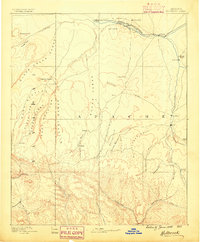 1886 Holbrook1886 Print · USGSArizona's high desert and the Mogollon Rim frontier are captured here in the late nineteenth century during the height of early pioneer settlement. Trace the growth of river towns like Holbrook and Snowflake or locate remote outposts such as Wilford, Adair, and Heber.
 - 1892 Map of St Johns
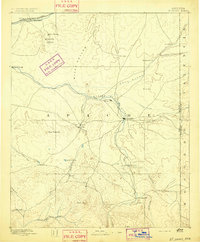 1892 St Johns1892 Print · USGSArizona's eastern frontier is documented here in the late nineteenth century as cattle ranching and early settlements followed the path of the river. Genealogists and historians can trace the foundations of St Johns and Springerville or locate long-standing sites like Erastus and Windmill Ranch.5 unique versions available
 - 1893 Map of Holbrook
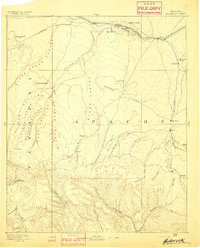 1893 Holbrook1893 Print · USGSNortheastern Arizona in the 1880s reveals a landscape of nascent ranching towns and deep canyon systems along the high plateau. Genealogists and historians can trace the early footprints of Holbrook, Snowflake, and Showlow as they appeared before the turn of the century.4 unique versions available
 - 1954 Map of Holbrook, 1966 Print
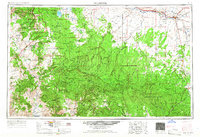 1954 Holbrook1966 Print · USGSNorth-central Arizona is seen here during the mid-fifties, from the high plateau of the Mogollon Rim to the Verde Valley. Researchers can trace the early growth of Holbrook, locate remote camps like Happy Jack, and explore the roads around Montezuma Castle National Monument.3 unique versions available
 - 1954 Map of Saint Johns, 1968 Print
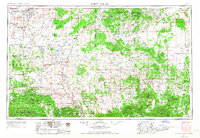 1954 Saint Johns1968 Print · USGSThe high plateau of the Arizona-New Mexico border is captured here in the mid-1950s, showing the intersection of tribal lands and national forests. Researchers can trace the cattle country and mountain outposts from Saint Johns to Pie Town and McNary.3 unique versions available
 - 1957 Map of Holbrook
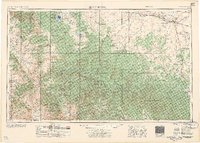 1957 Holbrook1957 Print · USGSNorthern Arizona in the mid-fifties is defined by the high-plateau timberlands and the bustling rail corridor of the Little Colorado River valley. Genealogists and historians can trace the route of U.S. 66 through Holbrook or locate more remote outposts like Zeniff and Aripine.
 - 1957 Map of Saint Johns
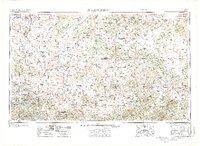 1957 Saint Johns1957 Print · USGSThe Arizona-New Mexico borderlands are captured here in the mid-fifties, showing the high-country settlements and federal lands before modern development. Genealogists and historians can trace old homesteads and landmarks like the Red Hill Post Office, Lyman Reservoir, and the mountain communities of Eagar and Springerville.
 - 1958 Map of Saint Johns
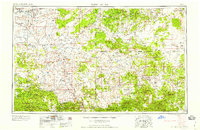 1958 Saint Johns1958 Print · USGSEastern Arizona and western New Mexico appear here in the late fifties, showcasing the high plateau and forest landscapes along the Continental Divide. Researchers can trace early ranching routes and water systems like Lyman Reservoir or locate remote settlements such as Fence Lake and Atarque.2 unique versions available
 - 1958 Map of Holbrook
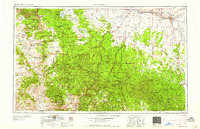 1958 Holbrook1958 Print · USGSNortheastern Arizona's high country is captured here during the mid-fifties, showing the growth of mountain towns and timber lands. Researchers can trace the Atchison Topeka & Santa Fe RR through Holbrook or find vanished spots like Zeniff.
 - 1960 Map of Holbrook
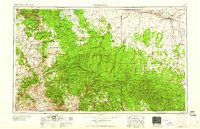 1960 Holbrook1960 Print · USGSNorthern Arizona is captured here just as modern highways began to reshape the cattle and timber country of the Colorado Plateau. Genealogists and historians can trace the early footprints of Snowflake, Sedona, and Payson, alongside the Atchison Topeka & Santa Fe RR rail line.
 - 1961 Map of Show Low, 1963 Print
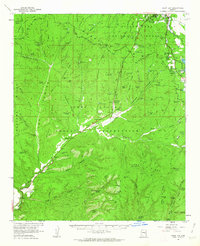 1961 Show Low1963 Print · USGSShow Low and the northern reaches of the White Mountains are captured here in the early sixties as the region's modern infrastructure began to take shape. Researchers can trace early ranching outposts like West Ranch and find local landmarks such as the Forestdale Trading Post and Show Low Lake.2 unique versions available
 - 1961 Map of McNary, 1963 Print
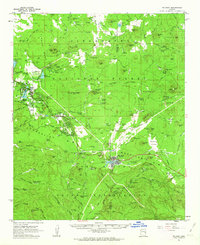 1961 McNary1963 Print · USGSThe high country of Apache and Navajo Counties comes into focus during the early sixties, showing the vital intersection of the timber industry and emerging lakeside communities. Researchers can trace family sites near Lakeside Cem, the remote Indian Pine settlement, and several Cinder Pits along the Mogollon Rim.2 unique versions available
 - 1962 Map of Saint Johns
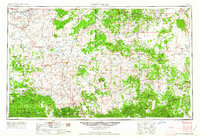 1962 Saint Johns1962 Print · USGSEastern Arizona and the New Mexico borderlands come alive in the early sixties, showing a landscape of high-plateau ranching and early national monuments. Trace the path of the Atchison Topeka and Santa Fe or locate old water sources like Salado Springs and Lyman Reservoir.
 - 1976 Map of Indian Pine, 1977 Print
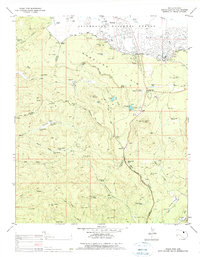 1976 Indian Pine1977 Print · USGSSettlement along the Mogollon Rim in the mid-seventies shows a shift from ranching to modern recreation near the reservation boundary. Researchers can trace local landmarks like Hon Dah Homesite, find the Penrod Cabin, and locate the Cooley Ranch and the nearby Cem.
 - 1976 Map of Lakeside, 1977 Print
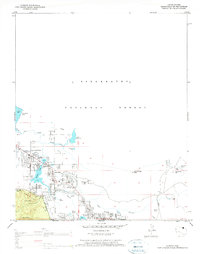 1976 Lakeside1977 Print · USGSHigh on the Arizona plateau in the 1970s, the communities of Lakeside and Pinetop thrive alongside the Mogollon Rim. Local historians can trace family-named sites like Adair Spring and landmarks like the Springer Mtn Lookout.2 unique versions available
 - 1977 Map of Indian Pine, 1978 Print
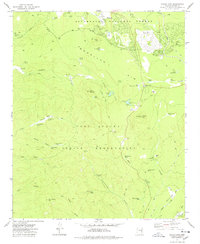 1977 Indian Pine1978 Print · USGSThe Mogollon Rim country comes into focus in the late 1970s as the forest boundary meets the Apache reservation. Researchers can trace the layout of family ranch lands at Amos Ranch or Cooley Ranch and locate the remote Cem near Indian Pine.3 unique versions available
 - 1977 Map of Show Low South, 1978 Print
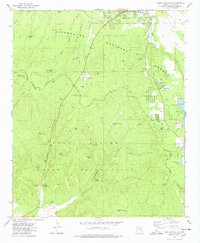 1977 Show Low South1978 Print · USGSThe Mogollon Rim country in the late seventies shows the southern growth of Show Low as it pushes toward the reservation line. Researchers can trace historic outposts like the Forestdale Trading Post or find unnamed Ruins tucked in Forestdale Canyon.2 unique versions available
 - 1977 Map of Lakeside, 1978 Print
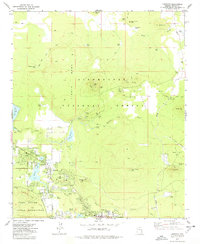 1977 Lakeside1978 Print · USGSNavajo County's high-plateau communities are captured here in the late seventies as they grew along the Mogollon Rim. Local historians can trace family-named landmarks and water sources like Rainbow Lake, Adair Spring, and the Cem near the lakeside settlements.
 - 1981 Map of Springerville, 1982 Print
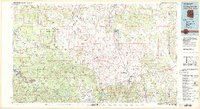 1981 Springerville1982 Print · USGSThe high-country settlements of eastern Arizona come into focus during the early eighties, from the timber towns of Lakeside and Pinetop to the ranching center of Springerville. Trace family roots in McNary and Eagar or locate historic landmarks like the Williams Creek National Fish Hatchery.2 unique versions available
 - 1981 Map of Show Low, 1982 Print
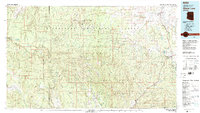 1981 Show Low1982 Print · USGSThe Mogollon Rim highlands in the early eighties were a landscape of forest service outposts and remote reservation settlements. Local historians can trace the foundations of Show Low and Snowflake, or locate family sites near Cibecue and Heber.2 unique versions available
 - 1998 Map of Show Low South, 2000 Print
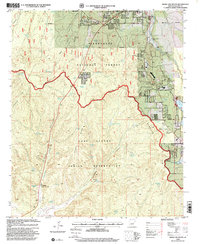 1998 Show Low South2000 Print · USGSNavajo County's high-altitude forest and tribal lands meet at the edge of the Mogollon Rim during the late 1990s. Researchers can trace the layout of the Forestdale Trading Post, locate the NPC Campus, and explore the canyon drainages of Forestdale Creek.
 - 1998 Map of Indian Pine, 2000 Print
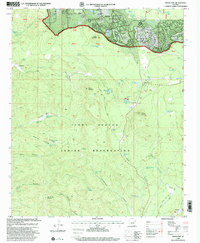 1998 Indian Pine2000 Print · USGSNortheastern Arizona's high timberlands and canyon systems appear in detail during the late nineties, where the national forest meets tribal lands. Genealogists and researchers can locate family-named landmarks like Cooley Ranch, Amos Ranch, and a small Cem near Indian Pine.
 - 1998 Map of Lakeside, 2001 Print
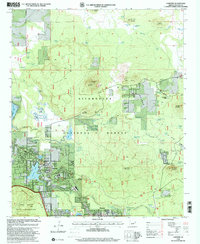 1998 Lakeside2001 Print · USGSLakeside and Pinetop are shown at the end of the twentieth century as they developed along the edge of the Apache Indian Reservation. Trace the local water and rail network through Rainbow Lake, the Sponseller Siding, and Porter Spring.
 - 2011 Map of Indian Pine, 2011 Print
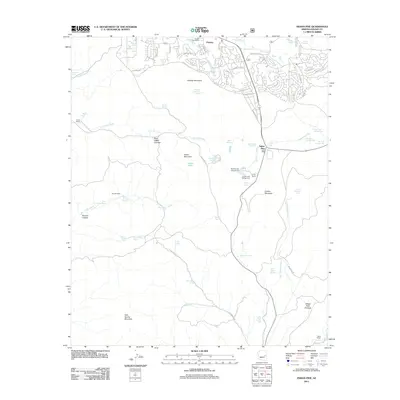 2011 Indian Pine2011 Print · USGSThe high country of the Mogollon Rim comes into focus during this period of growing residential development and seasonal ranching. Trace the evolution of the landscape from family-owned sites like Cooley Ranch and Penrod Cabin to the modern streets of Pinetop.
Showing maps 1-25 of 36
Top cities near Pinetop-Lakeside
Top neighborhoods of Pinetop-Lakeside
Frequently asked questions
- What are the different types of historical maps available for Pinetop-Lakeside?
- What is the oldest map of Pinetop-Lakeside?
- Where can I purchase historical maps of Pinetop-Lakeside for my home or office?
- Where can I download high-res historical maps of Pinetop-Lakeside?
- Are there historical topographic maps available for Pinetop-Lakeside?
- Is there historical aerial imagery available for Pinetop-Lakeside?
- Where are historical maps of Pinetop-Lakeside sourced from?