2000s (21st Century) Maps of Hickiwan, Arizona
Explore 89 historic maps of Hickiwan from the 2000s (21st Century). These maps offer a rare glimpse into what life looked like during the 2000s — showing old roads, neighborhoods, homes, and landmarks that have changed or disappeared over time.
Whether you're researching your family's past, planning a metal detecting trip, or studying how Hickiwan's landscape evolved across the 2000s, these high-resolution maps are a powerful tool for exploring the history of this region.
- Focus on a specific era: All maps on this page are from the 2000s, giving you a focused view of this time period.
- See what’s changed: Compare century-old streets, trails, and buildings to today's modern landscape using overlays and satellite layers.
- Research with precision: Use these maps for genealogy, historical research, land use analysis, or educational projects.
- View, download, or print: Maps are fully viewable online in high resolution, and can be downloaded or printed for your own records.
Start exploring Hickiwan's history through authentic maps from the 2000s. This is your window into the past.
Hickiwan, AZ maps
(89)- 2011 Map of Moivayi, 2011 Print
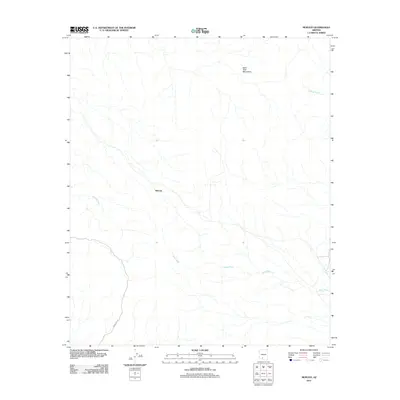 2011 Moivayi2011 Print · USGSMoivayi and the surrounding Sonoran desert appear here in the early twenty-first century, showing a landscape defined by seasonal watercourses. Genealogists and researchers can trace the path of Indian Rte 13 and its proximity to Kaka Wash and the Sano Tank Mountains.
 - 2011 Map of West of Ventana, 2011 Print
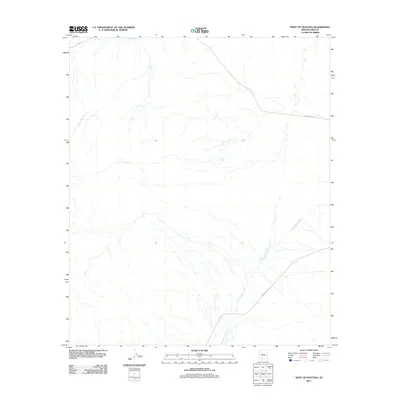 2011 West of Ventana2011 Print · USGSPima County’s desert landscape is documented here in the early twenty-first century, showing the natural drainage and transit corridors of the Tohono O’odham Nation. Researchers can trace the paths of San Simon Wash and follow routes along Indian Rte 34.
 - 2011 Map of Window Mountain, 2011 Print
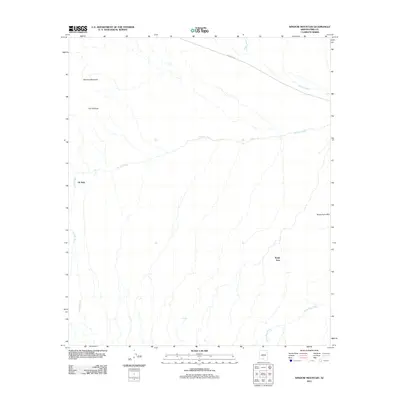 2011 Window Mountain2011 Print · USGSThe Sif Oidak District comes into focus at the start of the decade, showing a landscape where seasonal watercourses and desert peaks shape the community. Researchers can trace the layout of small settlements like Oit Ihuk and Noipa Kam near landmarks like The Window.
 - 2011 Map of West of Wahak Hotrontk, 2011 Print
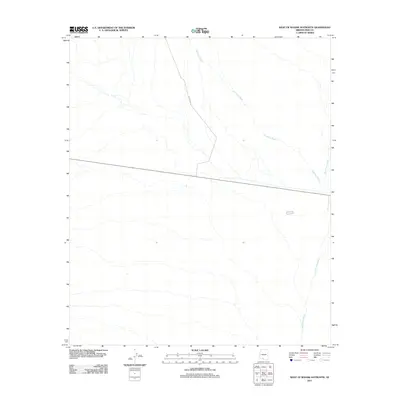 2011 West of Wahak Hotrontk2011 Print · USGSThe desert plains of Pima County are documented here in the early twenty-first century, showing a landscape shaped by seasonal water. Researchers can trace the sprawling drainage of Hickiwan Wash and San Simon Wash alongside Indian Rte 17.
 - 2011 Map of Hickiwan, 2011 Print
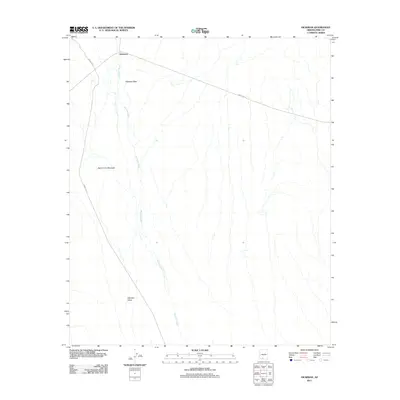 2011 Hickiwan2011 Print · USGSHickiwan and the surrounding desert peaks are captured here in the early twenty-first century. Researchers can trace the path of Hickiwan Wash through the Hickiwan Valley or locate landmarks like Black Circle Mountain.
 - 2011 Map of Johnson Well, 2011 Print
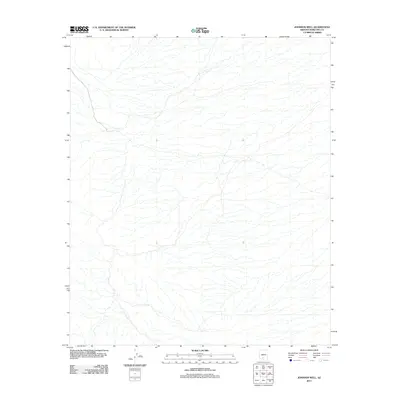 2011 Johnson Well2011 Print · USGSCovers Hickiwan, including Sif Oidak District, Maricopa County, and other nearby areas
 - 2011 Map of Burro Gap, 2011 Print
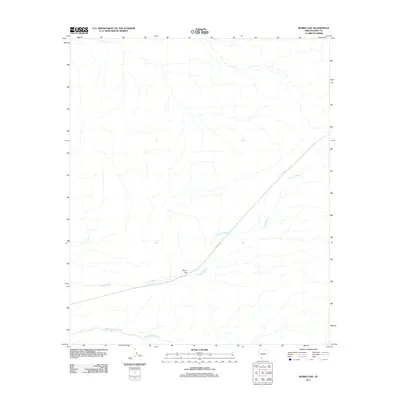 2011 Burro Gap2011 Print · USGSArizona's desert corridors near Hickiwan are documented here in the early twenty-first century, showing a landscape shaped by seasonal water and utility access. Researchers can trace the path of Pipeline Rd as it crosses Tenmile Wash and Burro Gap.
 - 2011 Map of Sikort Chuapo, 2011 Print
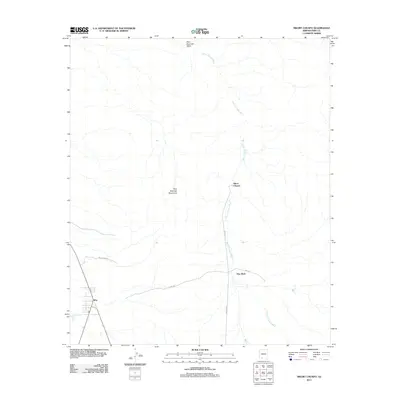 2011 Sikort Chuapo2011 Print · USGSArizona's Pima County desert is captured here in the early twenty-first century, showing the junction at Why. Researchers can trace the path of Indian Rte 5 as it passes Sikort Chuapo and the rugged Pozo Redondo Mountains.
 - 2011 Map of Coffeepot Mountain, 2011 Print
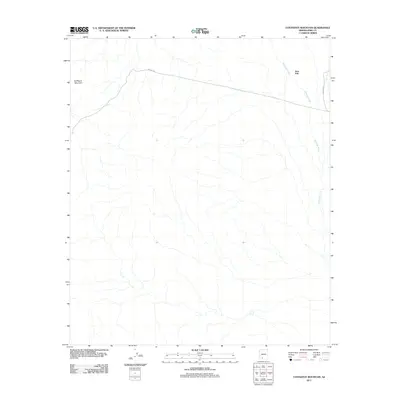 2011 Coffeepot Mountain2011 Print · USGSPima County’s desert landscape is captured here in the early twenty-first century, showing the intersection of traditional settlements and modern infrastructure. Researchers can locate the community of Stoa Pitk and trace the long drainage of Hickiwan Wash as it flows past Coffeepot Mountain.
 - 2011 Map of Ventana, 2011 Print
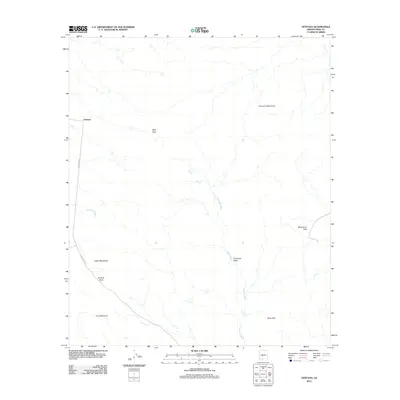 2011 Ventana2011 Print · USGSVentana and the surrounding Pima County desert are shown here as they appeared in the early twenty-first century. Researchers can trace remote routes like Indian Rte 23 and locate landmarks such as Muik Vaya, Ventana Pass, and the Black Hills.
 - 2011 Map of Gakolik Mountains, 2011 Print
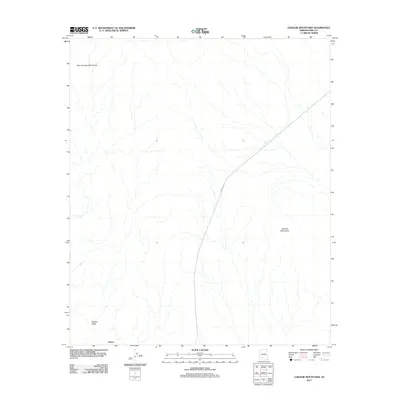 2011 Gakolik Mountains2011 Print · USGSThe Tohono O'odham desert landscape comes into focus during the early twenty-first century, showing the transition from peaks to basins. Researchers can trace the path of Indian Rte 34 as it nears the Gakolik Mountains and the settlement at Charco.
 - 2011 Map of Ajo South, 2011 Print
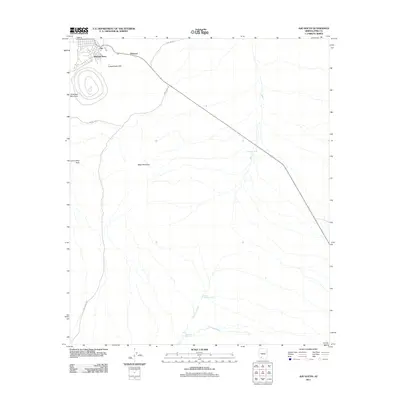 2011 Ajo South2011 Print · USGSThe copper-rich desert of Pima County comes into focus in the early twenty-first century, showing the industrial footprint and rural outliers of the mining district. Trace the relationship between Mexican Town, Rowood, and geographic markers like Concentrator Hill.
 - 2011 Map of Gunsight, 2011 Print
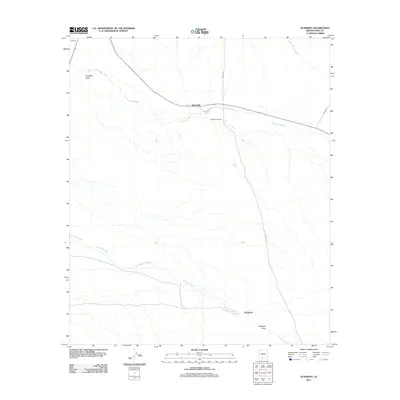 2011 Gunsight2011 Print · USGSDesert settlements and ephemeral washes define this corner of Pima County in the early twenty-first century. Family history researchers can locate specific sites such as Gunsight Cemetery and trace the tribal road network connecting Schuchuli and Kuakatch.
 - 2011 Map of Hotason Vo, 2011 Print
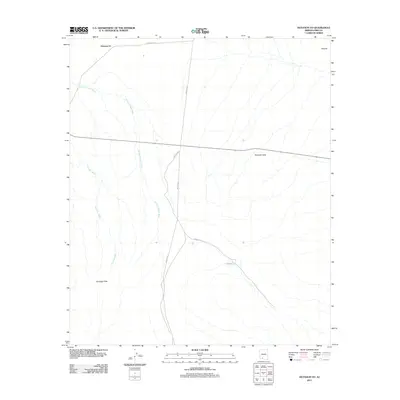 2011 Hotason Vo2011 Print · USGSTraditional desert settlements in Pima County are captured here in the early twenty-first century as modern tribal routes follow ancient paths. Researchers can trace the connection between Hotason Vo and Chagit Vo along Sikort Chuapo Wash and the slopes of Ninemile Peak.
 - 2011 Map of Cimarron Peak, 2011 Print
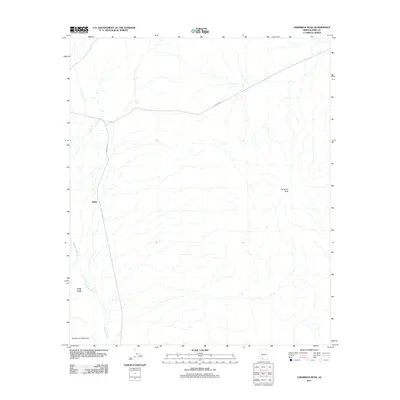 2011 Cimarron Peak2011 Print · USGSThe Pima County desert as it appeared in the early 21st century reveals a landscape shaped by isolated peaks and traditional routes. Genealogists and historians can trace the positions of Emika and Tatai Toak relative to Hickiwan Wash.
 - 2011 Map of Copperosity Hills, 2011 Print
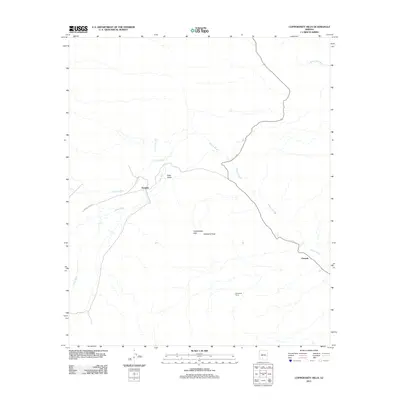 2011 Copperosity Hills2011 Print · USGSThe Sif Oidak District landscape is captured here in the early twenty-first century, showcasing a desert environment defined by seasonal washes and small outposts. Researchers can trace the terrain around Copperosity Hills and locate specific sites like Chiapuk and Greenback Camp.
 - 2011 Map of Vaya Chin, 2011 Print
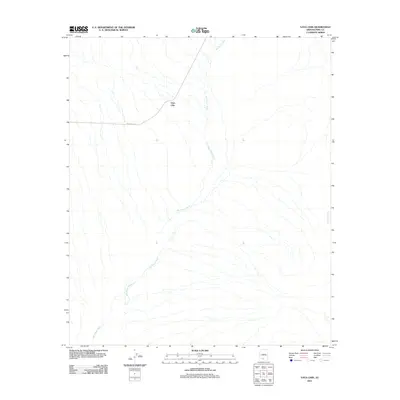 2011 Vaya Chin2011 Print · USGSThe settlement of Vaya Chin and its surrounding desert landscape are captured here in the early twenty-first century. Genealogists and researchers can trace the course of San Simon Wash and follow Indian Rte-34 through this remote corner of Pima County.
 - 2011 Map of Tom Thumb, 2011 Print
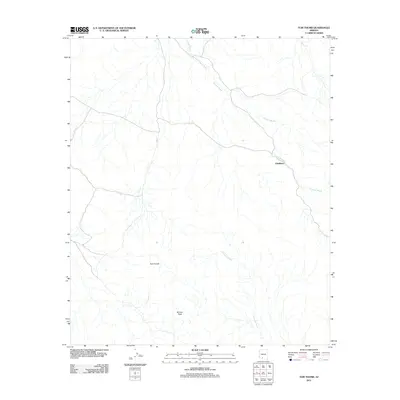 2011 Tom Thumb2011 Print · USGSChiulikam and the surrounding Pima County desert are captured here in the early twenty-first century. Researchers can trace seasonal watercourses like Sauceda Wash and locate specific high-ground landmarks such as Tom Thumb and Stinson Peak.
 - 2011 Map of Childs Mountain, 2011 Print
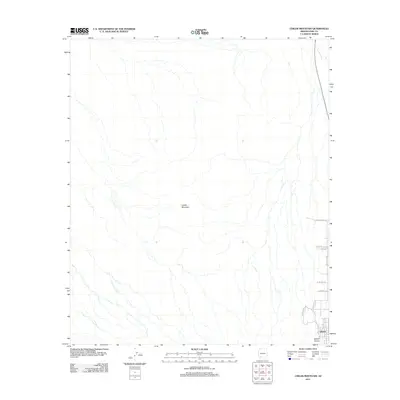 2011 Childs Mountain2011 Print · USGSThe desert landscape of Pima County comes into focus in this early twenty-first-century survey. Genealogists and local historians can trace the street layout of Gibson and identify key seasonal drainage points like Gibson Arroyo and Tenmile Wash.
 - 2011 Map of Ajo North, 2011 Print
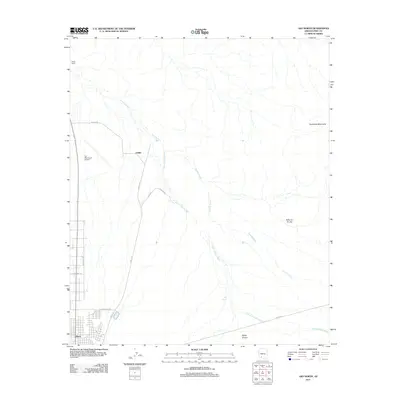 2011 Ajo North2011 Print · USGSThe northern reaches of Ajo and its surrounding desert basin are mapped here during the early twenty-first century. Researchers can trace the drainages of Tenmile Wash and Sikort Chuapo Wash or locate rural outposts like Childs and Gibson.
 - 2011 Map of Kaka, 2011 Print
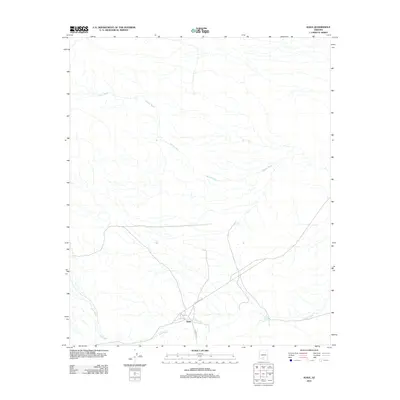 2011 Kaka2011 Print · USGSKaka and the surrounding desert basin are captured here in the early twenty-first century, showing a landscape shaped by arid hydrology. Genealogists and researchers can trace the junction of Indian Rte 342 and Indian Rte 23 near the banks of Kaka Wash.
 - 2014 Map of Kaka, 2014 Print
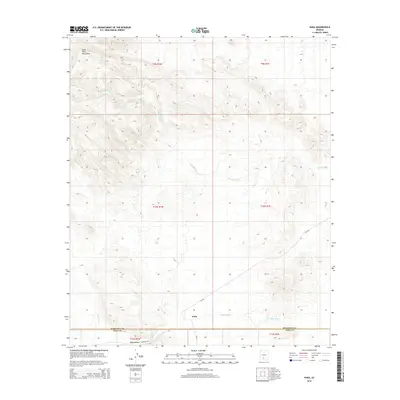 2014 Kaka2014 Print · USGSThe Tohono O'odham Nation lands at the Pima and Maricopa county line are documented here in the early twenty-first century. Researchers can trace the layout of Kaka and follow the paths of Kohatk Wash and Pipeline Rd across the desert floor.
 - 2014 Map of Hotason Vo, 2014 Print
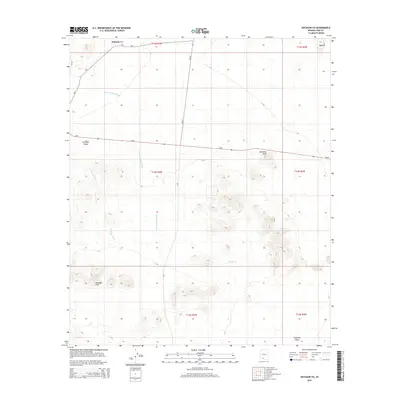 2014 Hotason Vo2014 Print · USGSThe Tohono O'odham landscape near Hickiwan is shown here in the early twenty-first century, featuring desert settlements and rugged landforms. You can trace local routes like AZ-86 to find landmarks such as Hotason Vo, Ninemile Peak, and the Gunsight Hills.
 - 2014 Map of West of Ventana, 2014 Print
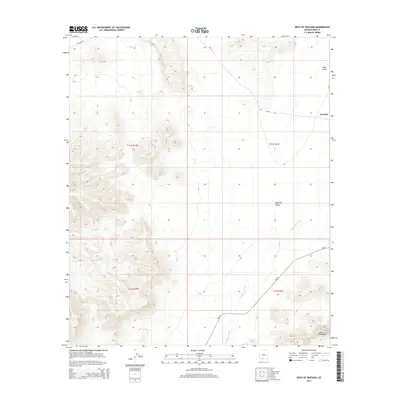 2014 West of Ventana2014 Print · USGSThe Tohono O'odham landscape near Ventana is captured here in the early twenty-first century, showing the desert's vital drainage and transit networks. Genealogists and researchers can trace the seasonal paths of San Simon Wash or follow the routes of BIA-34 and BIA-23 through the Quijotoa Valley.
 - 2014 Map of Hickiwan, 2014 Print
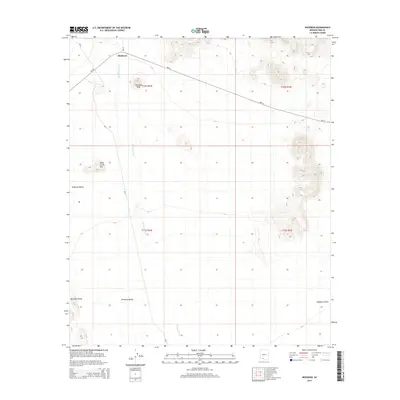 2014 Hickiwan2014 Print · USGSThe Tohono O'odham Nation interior is documented here during the early twenty-first century, centered on the settlement of Hickiwan. Researchers can trace local landmarks like Hickiwan Peak and follow the paths of BIA-17 and BIA-34 across the desert floor.
Showing maps 1-25 of 89
Top neighborhoods of Hickiwan
- Ventana historical maps
- Chiulikam historical maps
- Moivayi historical maps
- Stoa Pitk historical maps
- Hotason Vo historical maps
- Kaka historical maps
See more
Frequently asked questions
- What are the different types of historical maps available for Hickiwan?
- What is the oldest map of Hickiwan?
- Where can I purchase historical maps of Hickiwan for my home or office?
- Where can I download high-res historical maps of Hickiwan?
- Are there historical topographic maps available for Hickiwan?
- Is there historical aerial imagery available for Hickiwan?
- Where are historical maps of Hickiwan sourced from?