1900s (20th Century) Maps of Ashley County, Arkansas
Explore 51 historic maps of Ashley County from the 1900s (20th Century). These maps offer a rare glimpse into what life looked like during the 1900s — showing old roads, neighborhoods, homes, and landmarks that have changed or disappeared over time.
Whether you're researching your family's past, planning a metal detecting trip, or studying how Ashley County's landscape evolved across the 1900s, these high-resolution maps are a powerful tool for exploring the history of this region.
- Focus on a specific era: All maps on this page are from the 1900s, giving you a focused view of this time period.
- See what’s changed: Compare century-old streets, trails, and buildings to today's modern landscape using overlays and satellite layers.
- Research with precision: Use these maps for genealogy, historical research, land use analysis, or educational projects.
- View, download, or print: Maps are fully viewable online in high resolution, and can be downloaded or printed for your own records.
Start exploring Ashley County's history through authentic maps from the 1900s. This is your window into the past.
Ashley County, AR maps
(51)- 1934 Map of Ingalls
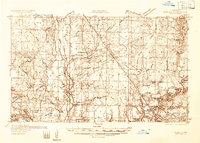 1934 Ingalls1934 Print · USGSBradley County during the mid-1930s shows a landscape of river-bottom camps and rural parish life. Researchers can trace family roots through numerous local landmarks, from Johnsville and Bogalusa Camp to country schools like Eagle Lake Sch and Broad Sch.
 - 1934 Map of Felsenthal, 1954 Print
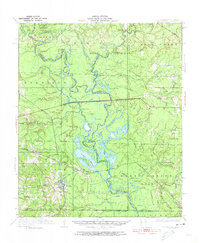 1934 Felsenthal1954 Print · USGSThe Ouachita and Saline River basins are captured here in the early 1930s as logging and rail shaped the Arkansas-Louisiana border. Trace the industrial footprint of the Logging RR and Missouri Pacific RR alongside local centers like Felsenthal, Huttig, and Smith Chapel.2 unique versions available
 - 1935 Map of Mist
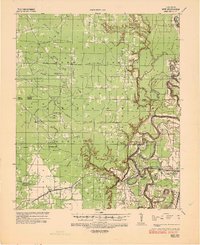 1935 Mist1935 Print · USGSSoutheastern Arkansas during the mid-1930s is revealed here as a landscape of bayous and winding timber rails. Genealogists can trace family footprints at Promised Land Ch & Sch or Grizzle Cem, and map the defunct Abandoned Logging Railroad lines.
 - 1935 Map of Wilmot, 1936 Print
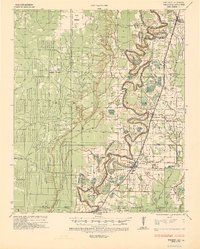 1935 Wilmot1936 Print · USGSSoutheast Arkansas in the mid-1930s shows a landscape defined by the winding Bayou Bartholomew and the growth of river-and-rail towns. Trace the river economy through Ohio Ldg, visit the Bethel Ch, or locate old school sites like Farmer Sch.3 unique versions available
 - 1936 Map of Eudora, 1943 Print
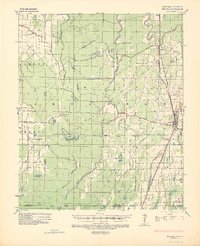 1936 Eudora1943 Print · USGSSoutheast Arkansas and northeast Louisiana are captured here in the mid-1930s, showing a landscape shaped by water management and rail transport. Researchers can trace the early energy infrastructure of the Standard Oil Pipe Line or locate rural landmarks like Holly Ridge Ch and Empire.
 - 1936 Map of Lake Village, 1949 Print
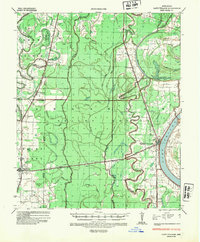 1936 Lake Village1949 Print · USGSThe Arkansas Delta in the mid-1930s is defined by its winding waterways and the rise of the Missouri Pacific railroad. Genealogists and historians can trace old settlements like Jerome, Montrose, and Hudspeth along the shores of Chicot Lake.2 unique versions available
 - 1937 Map of Felsenthal
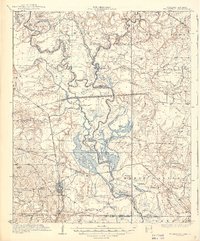 1937 Felsenthal1937 Print · USGSThe Ouachita River bottomlands come to life in the mid-1930s, showing a landscape of logging railroads and river bends. Trace family roots through Lapile Cem, Huttig, and Felsenthal, or locate vanished landmarks like Cooter Sch and Dollar Junction.
 - 1937 Map of Ingalls
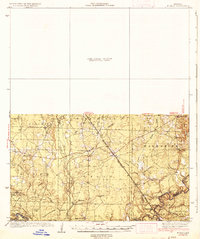 1937 Ingalls1937 Print · USGSSouth Arkansas timber and river country are mapped here in the mid-1930s as rural life centered on the Ouachita River. Researchers can locate vanished landmarks like Pine Island Landing, Thomas Sch, and the riverside Bogalusa Camp.3 unique versions available
 - 1938 Map of Felsenthal
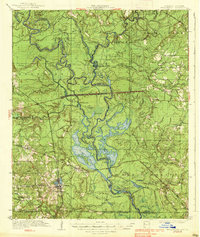 1938 Felsenthal1938 Print · USGSThe river bottoms of south Arkansas and north Louisiana are seen here in the late 1930s, showing a landscape defined by the winding Ouachita River. Genealogists and historians can locate the old townsite of Felsenthal, rural landmarks like Smiths Chapel, and the river landing at Prairie Island Ldg.
 - 1939 Map of Felsenthal
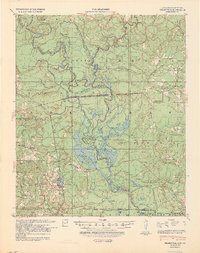 1939 Felsenthal1939 Print · USGSThe river bottomlands of southern Arkansas and northern Louisiana come alive in the late thirties as the timber industry reshapes the landscape. Researchers can trace the sprawling rail lines of the Missouri Pacific, the industrial layout of Huttig, and rural sites like Smith Chapel or the Macedonian Cem.2 unique versions available
 - 1939 Map of Ingalls, 1941 Print
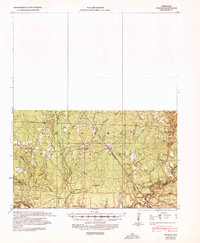 1939 Ingalls1941 Print · USGSSoutheast Arkansas in the late 1930s was a landscape of river landings and ridge-top settlements centered on the Saline River. Genealogists can trace early rural life through landmarks like Palestine Ch, Johnsville, and several family-named schoolhouses.
 - 1952 Map of Fountain Hill, 1976 Print
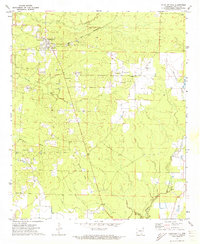 1952 Fountain Hill1976 Print · USGSSoutheast Arkansas in the early seventies shows a landscape of timber-town roots and quiet rural industry. Genealogists and historians can trace local family lineages through Kirkpatrick Cem and Judson Ch Cem or follow the path of an Old Railroad Grade.
 - 1953 Map of Greenwood, 1966 Print
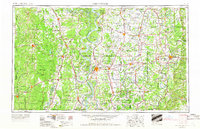 1953 Greenwood1966 Print · USGSThe Mississippi Delta in the mid-fifties is captured here as a thriving network of river towns, railroads, and oxbow lakes. Researchers can trace the legacy of the Illinois Central Railroad and locate landmarks like the State Penal Farm and Greenville Air Force Base.5 unique versions available
 - 1953 Map of El Dorado, 1967 Print
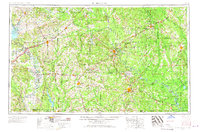 1953 El Dorado1967 Print · USGSSouth Arkansas in the mid-1960s was a landscape of industrial growth and river-fed commerce. Researchers can trace the extensive Oil and Gas Fields around Magnolia, the expansive U S Naval Ammunition Depot, and the busy rail lines of the Missouri Pacific.3 unique versions available
 - 1955 Map of Lake Village
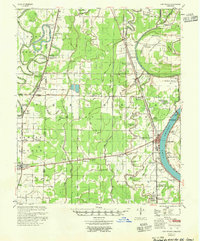 1955 Lake Village1955 Print · USGSSoutheast Arkansas in the mid-fifties reveals a Delta landscape shaped by the oxbow of Lake Chicot and the Missouri Pacific Railroad. Genealogists can trace family footprints through numerous rural sites like Holly Grove Ch & Cem and Strangers Rest Ch & Cem.2 unique versions available
 - 1956 Map of Greenwood
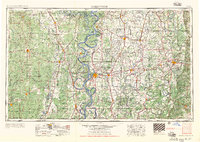 1956 Greenwood1956 Print · USGSThe Mississippi Delta in the mid-fifties is captured here during a period of significant military and agricultural activity. Researchers can trace the rail lines of the Illinois Central RR, find the Greenville Air Force Base, or locate the State Penal Farm.
 - 1957 Map of El Dorado
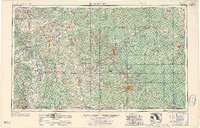 1957 El Dorado1957 Print · USGSSouth Arkansas in the mid-1950s was a critical hub of military logistics and rail-river commerce. Genealogists and historians can trace family land across the Arkansas Louisiana border and locate sites like the U.S. Naval Ammunition Depot or the rail junctions at Magnolia and Camden.
 - 1957 Map of Eudora
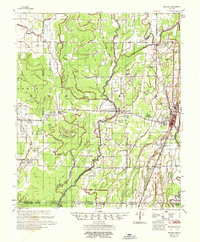 1957 Eudora1957 Print · USGSSoutheast Arkansas and Northeast Louisiana are captured here in the late 1950s, showing a delta landscape defined by winding bayous and rural community life. Researchers can trace family roots through numerous local landmarks like Masons Cem, Ross Van Ness Sch, and Holly Sch.2 unique versions available
 - 1958 Map of El Dorado
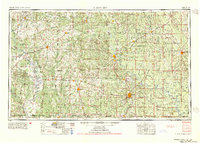 1958 El Dorado1958 Print · USGSSouthern Arkansas and the Louisiana borderlands are shown during a period of heavy rail traffic and defense industry activity. Researchers can trace the legacy of the U. S. Naval Ammunition Depot or locate family roots in Smackover, Huttig, and Nashville.3 unique versions available
 - 1960 Map of El Dorado
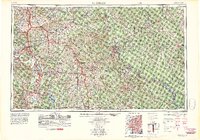 1960 El Dorado1960 Print · USGSSouth Central Arkansas in the late fifties was a hub of energy production and defense industry. Researchers can trace the extensive Oil and Gas Fields around El Dorado or locate family landmarks like Old Park Cem and New Hope Church.
 - 1960 Map of Snyder, 1961 Print
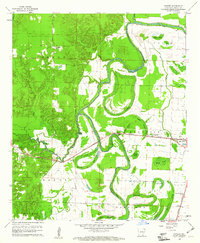 1960 Snyder1961 Print · USGSIn the early 1960s, the Ashley County delta landscape was defined by the meandering Bayou Bartholomew and the vital Missouri Pacific rail line. Researchers can trace the layout of small settlements like Montrose and Snyder or locate rural landmarks such as Evening Star Ch.2 unique versions available
 - 1960 Map of Mist, 1961 Print
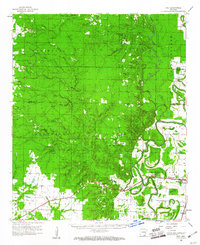 1960 Mist1961 Print · USGSSoutheast Arkansas in the early sixties was a landscape of winding bayous and rail-dependent towns like Montrose and Snyder. Genealogists can locate family-named sites such as Townsend Cem and Judking Cem along the bends of Bayou Bartholomew.2 unique versions available
 - 1960 Map of Wilmot, 1961 Print
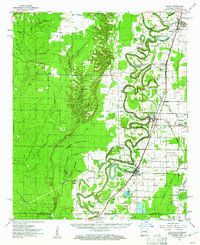 1960 Wilmot1961 Print · USGSThe borderlands of southeast Arkansas and northeast Louisiana are defined by the winding oxbows of Bayou Bartholomew and the Missouri Pacific railroad. Genealogists can trace early rural life through landmarks like Chiller Chapel Cem, Savage High Sch, and the town of Wilmot.2 unique versions available
 - 1960 Map of Portland, 1961 Print
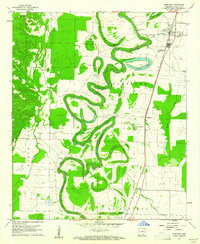 1960 Portland1961 Print · USGSSoutheast Arkansas in the early sixties is defined here by the winding Bayou Bartholomew and the Missouri Pacific rail corridor. Genealogists can locate family landmarks like Tillis High Sch Cem, Holly Grove Ch, and the small community of Sunshine.2 unique versions available
 - 1960 Map of Wilmot NW, 1961 Print
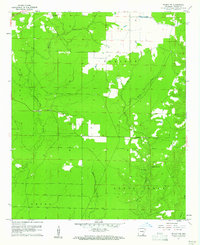 1960 Wilmot NW1961 Print · USGSAshley County timber and bottomlands are mapped in detail during the early sixties, showing a landscape defined by winding watercourses and prairie openings. Genealogists and local historians can locate remote landmarks like New Texas Cem, Beech Creek Ch, and the Lookout tower.2 unique versions available
Showing maps 1-25 of 51
Top cities of Ashley County
- Crossett historical maps
- Hamburg historical maps
- North Crossett historical maps
- Wilmot historical maps
- Portland historical maps
- Montrose historical maps
See more
Frequently asked questions
- What are the different types of historical maps available for Ashley County?
- What is the oldest map of Ashley County?
- Where can I purchase historical maps of Ashley County for my home or office?
- Where can I download high-res historical maps of Ashley County?
- Are there historical topographic maps available for Ashley County?
- Is there historical aerial imagery available for Ashley County?
- Where are historical maps of Ashley County sourced from?