Old Maps of Lauratown, Arkansas for Hiking & Exploration
Hike through history with 12 historic maps of Lauratown. Explore old trails, ghost towns, and forgotten backroads — perfect for outdoor adventurers and local explorers.
- Rediscover forgotten places: Map out old mining camps, roads, and footpaths that no longer exist on modern maps.
- Layer with modern tools: Combine with LiDAR or satellite views to plan hikes through historical terrain.
- Made for exploration: Popular among hikers, overlanders, and local history lovers.
Use these maps to find adventure and explore the hidden past of Lauratown.
Lauratown, AR maps
(12)- 1934 Map of Powhatan
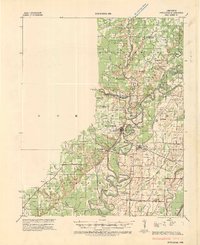 1934 Powhatan1934 Print · USGSLawrence and Randolph counties are mapped here in the early 1930s, showing a river-dependent landscape tied to the Black River. Researchers can trace old ferry crossings like Gibson Ferry and family-named landmarks such as Whitlow Cem and Lauratown.
 - 1935 Map of Powhatan
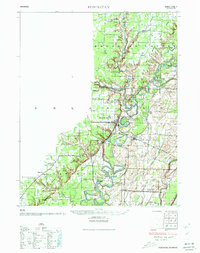 1935 Powhatan1935 Print · USGSThe confluence of the Black and Spring Rivers comes alive in the mid-1930s, documenting a time when river ferries and rail travel defined Lawrence County life. Genealogists can locate family landmarks like Lauderdale Ch Sch & Cem, Gibson Ferry, and the landing at Sissons Ld.4 unique versions available
 - 1957 Map of Poplar Bluff, 1968 Print
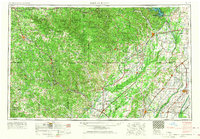 1957 Poplar Bluff1968 Print · USGSThe Missouri-Arkansas border region is captured here as the timber and rail industries shaped the Ozark foothills. Genealogists and historians can trace the Missouri Pacific Railroad through river towns like Pocahontas, Greenville, and Van Buren.3 unique versions available
 - 1959 Map of Poplar Bluff
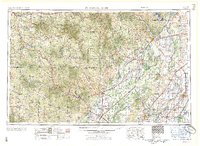 1959 Poplar Bluff1959 Print · USGSThe Missouri Ozarks and Arkansas borderlands meet in this late 1950s study of the region's diverse terrain and rail-fed towns. Researchers can trace the path of the Missouri Pacific Railroad through Poplar Bluff or locate smaller settlements like Birch Tree and Myrtle.
 - 1960 Map of Poplar Bluff
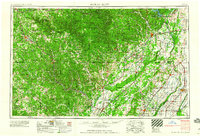 1960 Poplar Bluff1960 Print · USGSSoutheast Missouri and Northeast Arkansas are captured here during the post-war era, showing the transition from the Ozark highlands to the Delta. Genealogists and historians can trace rail corridors like the St. Louis Southwestern RR and remote settlements such as Birch Tree and Warm Springs.
 - 1974 Map of Black Rock, 1976 Print
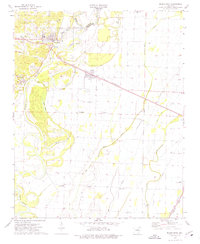 1974 Black Rock1976 Print · USGSLawrence County settlements and river confluences are captured here in the mid-seventies, showing the region's transition into the late twentieth century. You can trace family roots at Oak Forest Cem, locate the old Box Factory in Black Rock, or follow the rail lines through Portia.
 - 1983 Map of Cherokee Village
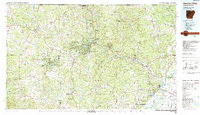 1983 Cherokee Village1983 Print · USGSThe Ozark foothills and river valleys of Northeast Arkansas are captured in the early eighties as modern planned communities began to reshape the landscape. Genealogists and historians can trace family-named ridges and schools across Evening Shade, Melbourne, and the rail junction at Hoxie.
 - 2011 Map of Black Rock, 2011 Print
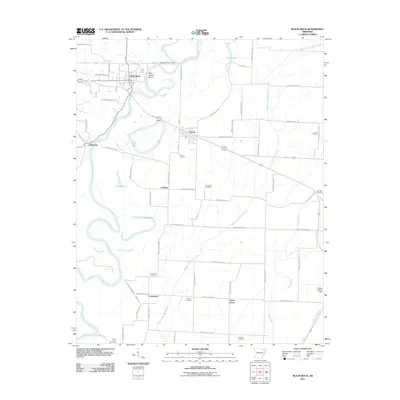 2011 Black Rock2011 Print · USGSLawrence County settlement and the meandering Black River corridor are detailed here during the early twenty-first century. Researchers can trace family history through several burial grounds like Oak Forest Cemetery and Portia Cemetery or locate landmarks such as Box Factory Bend and Recker Landing Field.
 - 2014 Map of Black Rock, 2014 Print
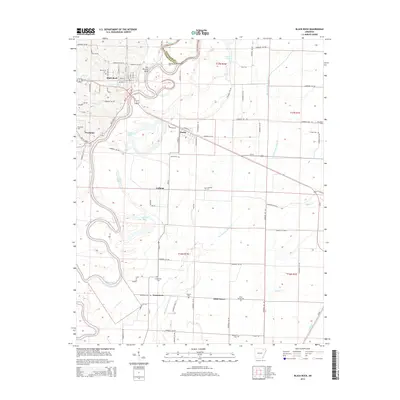 2014 Black Rock2014 Print · USGSLawrence County settlements and river bends are captured here in the early twenty-first century as the Ozark foothills meet the delta. Researchers can locate family plots at Oak Forest Cem and Powhatan Cem or trace the river's path through Box Factory Bend.
 - 2017 Map of Black Rock, 2017 Print
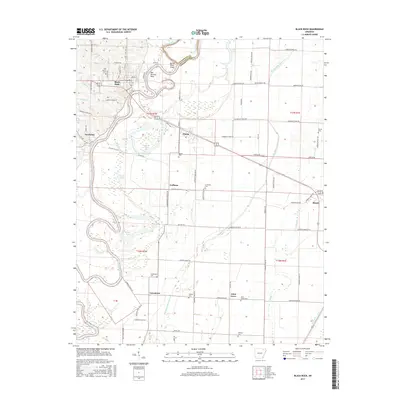 2017 Black Rock2017 Print · USGSThe river towns of Black Rock and Powhatan are captured in the late 2010s at the confluence of the Spring River and Black River. Researchers can trace old family names and rural communities through landmarks like Box Factory Bend, Lauratown, and Oak Forest Cem.
 - 2020 Map of Black Rock, 2020 Print
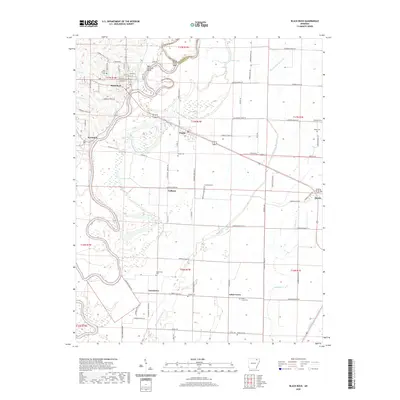 2020 Black Rock2020 Print · USGSThe Black River corridor in Lawrence County is captured here in the modern era, showing the enduring footprints of river and rail towns. Researchers can trace family history across numerous rural burial sites like Portia Cem and Whitlow Cem or locate the site of Box Factory Bend.
 - 2024 Map of Black Rock, 2024 Print
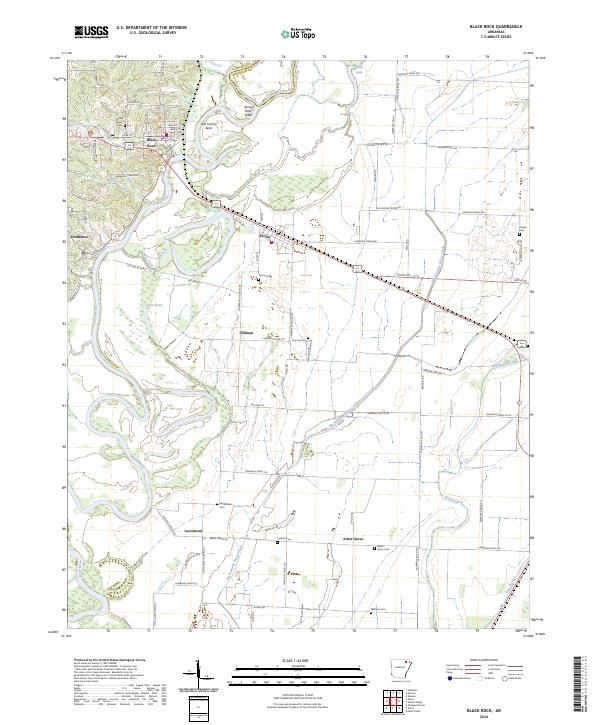 2024 Black Rock2024 Print · USGSLawrence County, Arkansas, is captured here in the early twenty-first century, centered on the historic river crossings and small townships. Researchers can trace family roots through numerous local sites like Oak Forest Cem, Box Factory Bend, and the settlement at Powhatan.
End of results
Showing maps 1-12 of 12
Top cities near Lauratown
- Pocahontas historical maps
- Walnut Ridge historical maps
- Hoxie historical maps
- Swifton historical maps
- Imboden historical maps
- Black Rock historical maps
See more
Frequently asked questions
- What are the different types of historical maps available for Lauratown?
- What is the oldest map of Lauratown?
- Where can I purchase historical maps of Lauratown for my home or office?
- Where can I download high-res historical maps of Lauratown?
- Are there historical topographic maps available for Lauratown?
- Is there historical aerial imagery available for Lauratown?
- Where are historical maps of Lauratown sourced from?