Old Maps of Greenwood, Arkansas for Metal Detecting
Plan your next treasure hunt with 26 historic maps of Greenwood. Find old homesites, ghost towns, trails, and gathering spots that may be lost to time — perfect for identifying promising metal detecting locations.
- Locate forgotten sites: Uncover places like long-lost settlements, abandoned rail lines, or gathering spots.
- Plan better hunts: Use map overlays combined with LiDAR or satellite views to narrow in on historically rich areas.
- Made for detectorists: Thousands of hobbyists use these maps to discover relics, coins, and hidden history.
Use these historic maps to boost your research and find new opportunities beneath the surface of Greenwood.
Greenwood, AR maps
(26)- 1887 Map of Greenwood
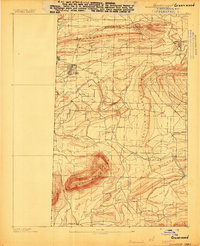 1887 Greenwood1887 Print · USGSSebastian County was undergoing a period of rapid development in the 1880s as the rail network expanded through its ridge-and-valley terrain. Genealogists can trace the early layouts of Greenwood and Hackett City or find family sites near Jenny Lind and Sugar Loaf Mountain.
 - 1890 Map of Fort Smith
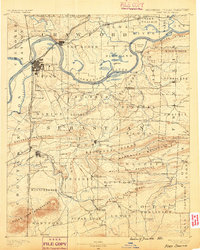 1890 Fort Smith1890 Print · USGSThe Arkansas-Indian Territory border was a landscape of rapid transition in the late nineteenth century. Genealogists and historians can trace early post offices like Jenny Lind P.O. and Oak Bower (Lavaca P.O.) or follow the path of the St. Louis and San Francisco Railroad.7 unique versions available
 - 1906 Map of Barber
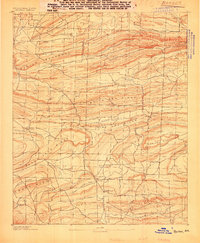 1906 Barber1906 Print · USGSSebastian County’s ridges and valley settlements are shown here at the start of the twentieth century, during a time of rural expansion. Researchers can trace early family sites and commerce through landmarks like the Toll Bridge and settlements such as Burnville and Sulphur Spring.
 - 1943 Map of Fort Smith
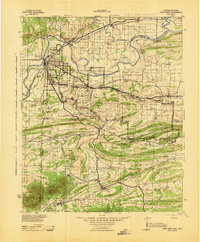 1943 Fort Smith1943 Print · USGSFort Smith and the Arkansas River valley are shown here during the height of the Second World War as the region became a major military hub. Genealogists and researchers can locate several rural schools and churches, such as St Marys School and Pleasant Ridge Church and Cem, alongside industrial sites like the Strip Mine and Smelter.
 - 1946 Map of Fort Smith
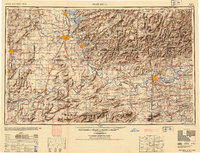 1946 Fort Smith1946 Print · USGSThe Arkansas-Oklahoma borderlands appear here in the mid-forties, as new reservoirs began to transform the river valleys. Genealogists and historians can trace rail-served towns from Muskogee to Fort Smith and locate landmarks like Camp Chaffee.
 - 1947 Map of Greenwood, 1954 Print
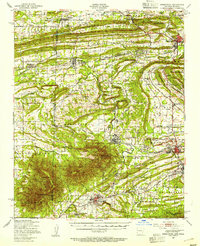 1947 Greenwood1954 Print · USGSThe Arkansas-Oklahoma border region thrived on coal and rail just after the war. Researchers can trace family ties at Old Jenny Lind and locate industrial landmarks like the Frazier Mine or the Midland Valley railroad.
 - 1947 Map of Barber, 1954 Print
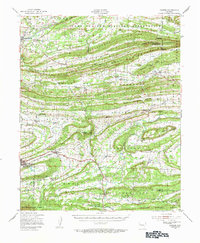 1947 Barber1954 Print · USGSSebastian County and the surrounding ridges are captured in the late 1940s, showing the intersection of military expansion and rural Arkansas life. Genealogists and historians can trace family locations through Union Ridge Cem, Milltown, and Liberty Ch.
 - 1947 Map of Burnville, 1978 Print
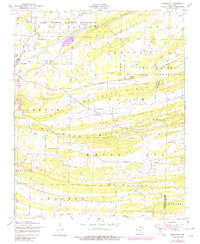 1947 Burnville1978 Print · USGSSebastian County and Logan County intersect here in the late 1940s as the military and rural farming communities exist side-by-side. Genealogists can trace family footprints at Burnville School, Liberty Church, and Lone Star Cemetery.
 - 1951 Map of Greenwood
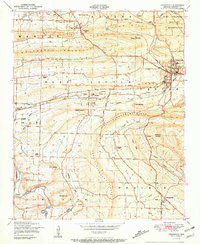 1951 Greenwood1951 Print · USGSSebastian County's coal and rail landscape is captured here in the early fifties, centering on the junction at Greenwood. Researchers can locate several Strip mines, rural institutions like Palestine School and Church, and the division of Old Jenny Lind and New Jenny Lind.4 unique versions available
 - 1951 Map of Burnville
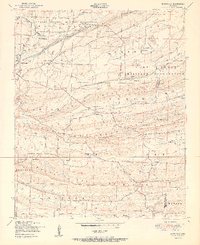 1951 Burnville1951 Print · USGSSebastian and Logan counties appear in the early fifties as the military presence at Camp Chaffee met the rural life of Burnville. Genealogists can trace early homesteads and landmarks like Liberty Church, Milltown, and the Burnville School.2 unique versions available
 - 1965 Map of Fort Smith
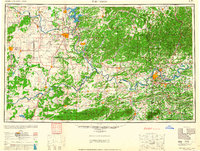 1965 Fort Smith1965 Print · USGSEastern Oklahoma and Western Arkansas are captured here during a period of massive post-war change as new reservoirs reshaped the river valleys. Genealogists and historians can trace the rail networks of the Midland Valley RR and find established communities like Stilwell, Sallisaw, and Stigler.
 - 1967 Map of Fort Smith
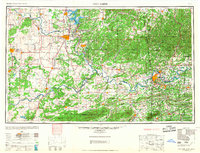 1967 Fort Smith1967 Print · USGSThe Arkansas River valley and the foothills of the Ozarks are captured here during a period of significant military and industrial activity. Researchers can trace the sprawling bounds of Camp Chaffee and Camp Gruber or locate vanished rail stops along the Midland Valley RR.
 - 1978 Map of Fort Smith, 1979 Print
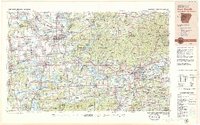 1978 Fort Smith1979 Print · USGSThe Arkansas-Oklahoma borderlands in the late seventies show a landscape shaped by massive river reservoirs and sprawling military reservations. Trace the historic rail lines of the Missouri Pacific RR and locate regional landmarks like Fort Gibson, Tenkiller Ferry Lake, and Barling.2 unique versions available
 - 1978 Map of Fort Smith, 1979 Print
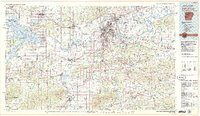 1978 Fort Smith1979 Print · USGSThe Arkansas-Oklahoma borderlands in the late seventies show a region defined by river navigation, coal mining, and military expansion. You can trace industrial footprints like the Strip Mines and the vast Fort Chaffee Military Reservation.2 unique versions available
 - 1987 Map of Burnville, 1988 Print
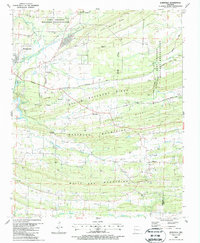 1987 Burnville1988 Print · USGSSebastian and Logan counties appear during the late eighties as a landscape of ridgelines and rural settlements. Researchers can locate family landmarks like Dawson Mem Cem and Clarks Chapel or trace the early energy footprint of numerous Gas Wells.
 - 1987 Map of Greenwood, 1988 Print
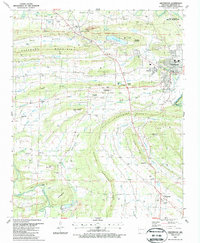 1987 Greenwood1988 Print · USGSSebastian County during the late eighties reveals a landscape of industrial persistence and rural memory. Researchers can trace the legacy of local coal and gas extraction near Old Jenny Lind or locate ancestral sites like Stroud Cem and Palestine Ch.
 - 2011 Map of Burnville, 2011 Print
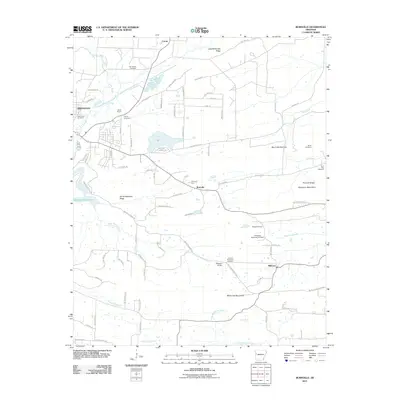 2011 Burnville2011 Print · USGSIn the early twenty-first century, the area around GREENWOOD reveals a landscape shaped by both military boundaries and deep-rooted local heritage. Researchers can trace the layout of small communities like Burnville and find family landmarks such as Mc Connel Cemetery and Liberty Church.
 - 2011 Map of Greenwood, 2011 Print
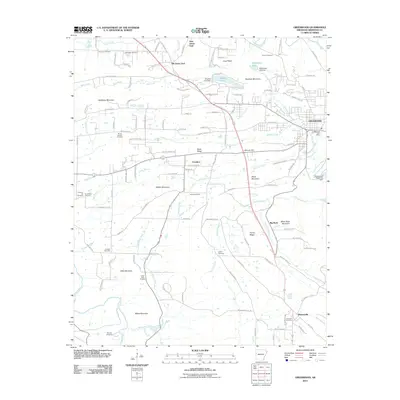 2011 Greenwood2011 Print · USGSGreenwood and the surrounding Sebastian County hills are shown here in the early twenty-first century as modern growth meets deep-rooted local history. Genealogists can locate several family and community burial grounds, including Stroud Cemetery and Gilliam Cemetery, while tracing the landscape from Old Jenny Lind to the heights of Donahue Mountain.
 - 2014 Map of Greenwood, 2014 Print
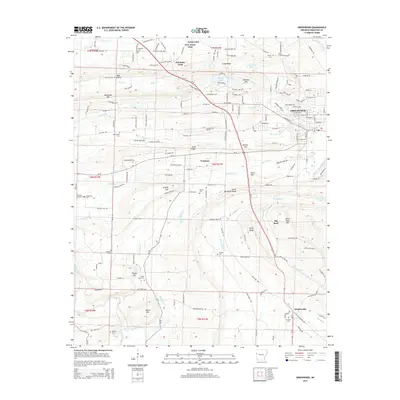 2014 Greenwood2014 Print · USGSThe community of Greenwood and its surrounding ridges are captured here in the early twenty-first century as modern roads navigate a complex terrain of gas fields and narrow valleys. Family historians can locate numerous rural burial sites including Gentry Cem, Stroud Cem, and the Gilliam Cem tucked away near Young Ridge.
 - 2014 Map of Burnville, 2014 Print
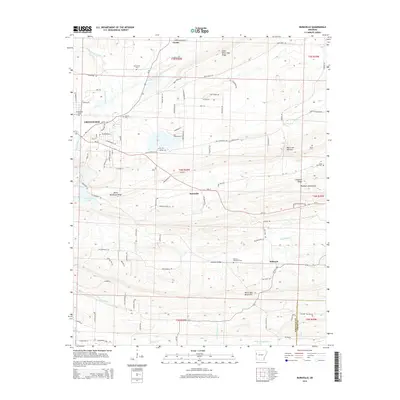 2014 Burnville2014 Print · USGSThe foothills of Sebastian and Logan Counties are captured in the early 21st century as modern roads navigate the historic ridges of Arkansas. Genealogists can trace family heritage through local landmarks like Dawson Memorial Cemetery, Stone Cem, and the community of Burnville.
 - 2017 Map of Burnville, 2017 Print
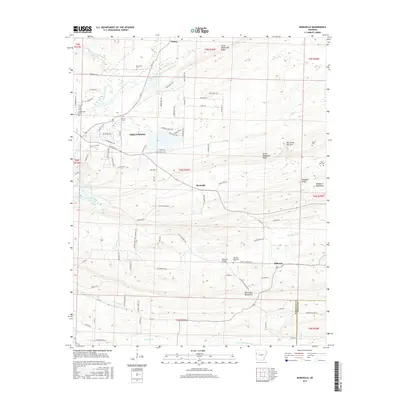 2017 Burnville2017 Print · USGSThe outskirts of Greenwood and the rural reaches of Sebastian County are captured here during the late 2010s. Researchers can locate numerous local landmarks including Dawson Memorial Cemetery, the Milltown Bridge, and Greenwood Lake.
 - 2017 Map of Greenwood, 2017 Print
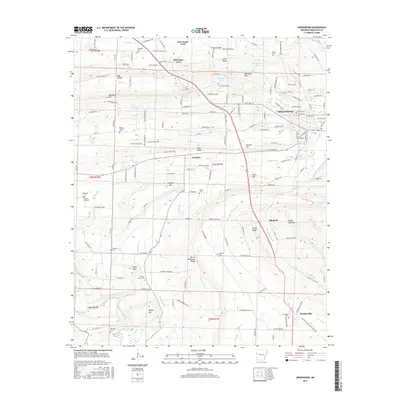 2017 Greenwood2017 Print · USGSSebastian County’s ridges and valley settlements are captured here in the late twenty-teens, centered on the growing seat of Greenwood. Genealogists can trace numerous family burial sites like Gentry Cem and Stroud Cem tucked between landmarks like Devils Backbone Ridge.
 - 2020 Map of Greenwood, 2020 Print
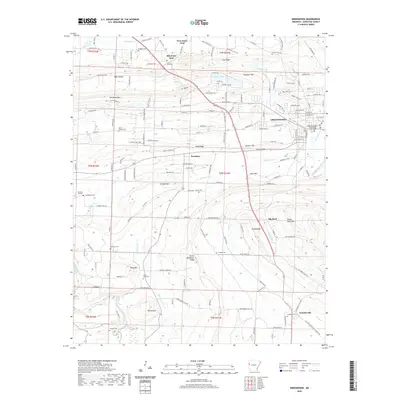 2020 Greenwood2020 Print · USGSSebastian County in the early 21st century reveals a landscape of prominent ridges and deep-rooted rural communities surrounding GREENWOOD. Genealogists and local historians can locate many historic burial sites, including Doubleday and Lovelace Cem, or explore the settlement patterns of Old Jenny Lind and Witcherville.
 - 2020 Map of Burnville, 2020 Print
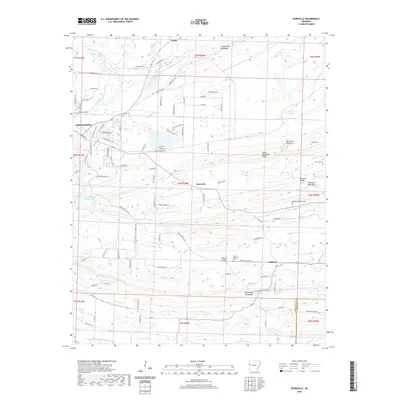 2020 Burnville2020 Print · USGSSebastian County’s ridges and valley settlements are captured in detail during this recent period of the twenty-first century. Researchers can locate numerous historic family burial grounds like Mc Connel Cem and Liberty Cem, or trace the winding course of Vache Grasse Creek.
 - 2024 Map of Greenwood, 2024 Print
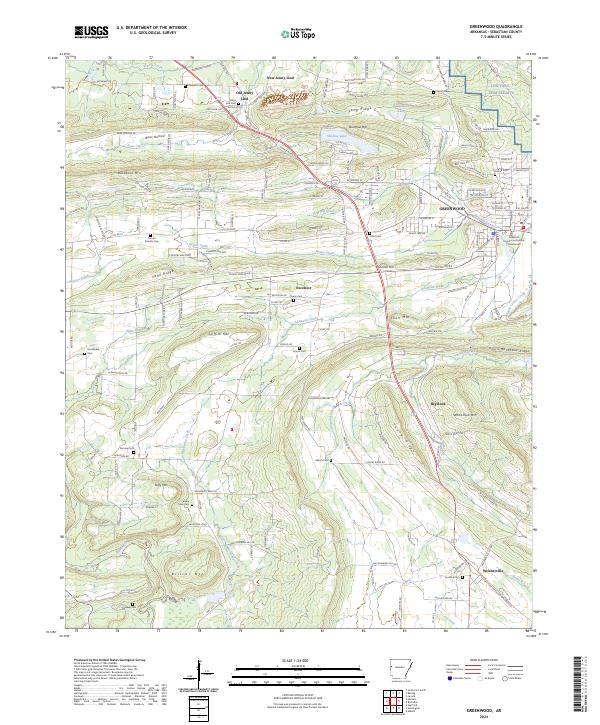 2024 Greenwood2024 Print · USGSSebastian County in the twenty-first century reveals a landscape shaped by both civic history and the legacy of coal country. Genealogists can trace family footprints across Old Jenny Lind, Witcherville, and the many rural burial sites like Lovelace Cem and Gentry Cem.
Showing maps 1-25 of 26
Top cities near Greenwood
- Fort Smith historical maps
- Van Buren historical maps
- Barling historical maps
- Pocola historical maps
- Charleston historical maps
- Lavaca historical maps
See more
Frequently asked questions
- What are the different types of historical maps available for Greenwood?
- What is the oldest map of Greenwood?
- Where can I purchase historical maps of Greenwood for my home or office?
- Where can I download high-res historical maps of Greenwood?
- Are there historical topographic maps available for Greenwood?
- Is there historical aerial imagery available for Greenwood?
- Where are historical maps of Greenwood sourced from?