1900s (20th Century) Maps of Salton City, California
Explore 33 historic maps of Salton City from the 1900s (20th Century). These maps offer a rare glimpse into what life looked like during the 1900s — showing old roads, neighborhoods, homes, and landmarks that have changed or disappeared over time.
Whether you're researching your family's past, planning a metal detecting trip, or studying how Salton City's landscape evolved across the 1900s, these high-resolution maps are a powerful tool for exploring the history of this region.
- Focus on a specific era: All maps on this page are from the 1900s, giving you a focused view of this time period.
- See what’s changed: Compare century-old streets, trails, and buildings to today's modern landscape using overlays and satellite layers.
- Research with precision: Use these maps for genealogy, historical research, land use analysis, or educational projects.
- View, download, or print: Maps are fully viewable online in high resolution, and can be downloaded or printed for your own records.
Start exploring Salton City's history through authentic maps from the 1900s. This is your window into the past.
Salton City, CA maps
(33)- 1904 Map of Indio
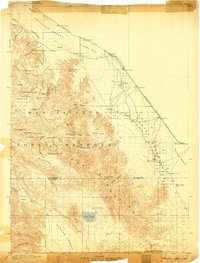 1904 Indio1904 Print · USGSThe Conchilla Desert and San Jacinto Mountains appear here at the turn of the century as the Southern Pacific rail corridor began to transform the valley. Trace early settlements and tribal lands like Cabezon Indian Res., Figtree John, and the Asbestos Mine.7 unique versions available
 - 1931 Map of Vallecito
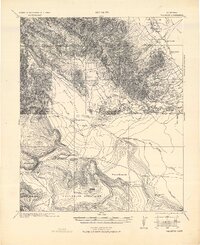 1931 Vallecito1931 Print · USGSThe Colorado Desert and its surrounding ranges are mapped here in the early thirties, showcasing a landscape defined by scarce water and massive terrain. Genealogists can trace isolated desert outposts like Fig Tree John and Agua Dulce or the original footprint of Borego Springs.
 - 1940 Map of Kane Spring, 1956 Print
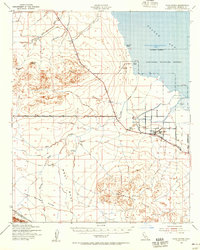 1940 Kane Spring1956 Print · USGSThe Imperial County desert near the Salton Sea shoreline is captured here in the 1940s, showing early attempts at irrigation and settlement. Researchers can trace the Pacific Portland Cement route and find family landmarks like Elmore Desert Ranch and Roosevelt Sch.3 unique versions available
 - 1940 Map of Durmid, 1964 Print
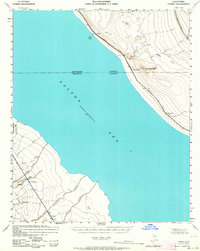 1940 Durmid1964 Print · USGSImperial County and the desert shoreline of the Salton Sea appear here in the early 1940s, just as new water infrastructure reached the area. Researchers can trace the Southern Pacific rail line through Durmid and Bertram or follow the early Anza Trail past Truckhaven.
 - 1942 Map of Agua Dulce
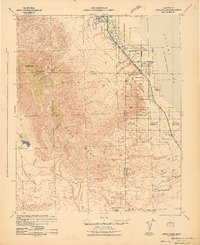 1942 Agua Dulce1942 Print · USGSThe Colorado Desert at the start of World War II reveals a landscape of high peaks and below-sea-level basins. Trace early desert life through the Oasis Sch, the remote Seventeen-Palms oasis, and the shoreline at Fish Springs.
 - 1943 Map of Vallecito
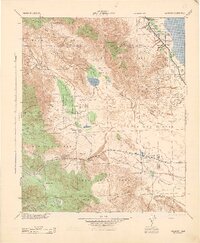 1943 Vallecito1943 Print · USGSThe Colorado Desert during the early 1940s is captured here, showing the remote ranching outposts and new state park boundaries. Genealogists can trace family holdings like Oliver Ranch and Rancho De Anza or locate historic sites such as Borrego School and the Gypsum Mine.
 - 1944 Map of Agua Dulce
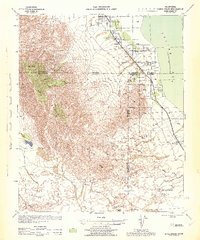 1944 Agua Dulce1944 Print · USGSIn the 1940s, the desert floor between the Santa Rosa Mountains and the Salton Sea was a land of sparse outposts. You can trace old service stations and schools like the Oriols Service Sta and Oasis Sch, or find the locations of remote Fossil Beds and Seventeen Palms Spring.
 - 1944 Map of Durmid
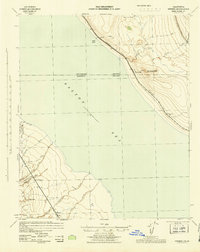 1944 Durmid1944 Print · USGSImperial County was a landscape of extreme elevations and vital rail connections during the mid-forties. Researchers can trace the desert outposts of Truckhaven and Durmid alongside the Southern Pacific line and the Truckhaven Trail.
 - 1944 Map of Kane Spring
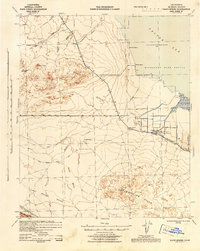 1944 Kane Spring1944 Print · USGSThe Imperial County desert comes into focus during the mid-1940s, showing the early reach of irrigation and wartime infrastructure. Researchers can locate remote landmarks like Harpers Well, the Roosevelt School, and the Trifolium Canal.
 - 1947 Map of Santa Ana, 1949 Print
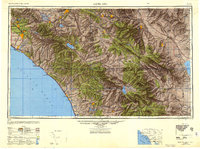 1947 Santa Ana1949 Print · USGSSouthern California is depicted here in the late forties, showing the expansion of the Inland Empire and the Orange County coast. Researchers can trace the early layout of Palm Springs or locate long-standing tribal lands like the Pala Indian Reservation and Rincon Indian Res.
 - 1947 Map of Agua Dulce, 1952 Print
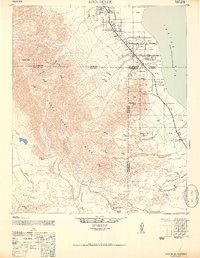 1947 Agua Dulce1952 Print · USGSThe Coachella Valley and Salton Sea shoreline are captured here in the late 1940s, showing a landscape of desert outposts and arid washes. Trace the early commercial footprint of Oasis, Coolidge Springs, and the Flemming Saw Mill along the western shore.
 - 1949 Map of Santa Ana
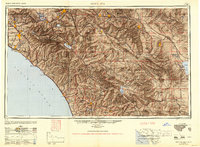 1949 Santa Ana1949 Print · USGSSouthern California underwent a profound transformation in the late 1940s as military installations and citrus groves shared the landscape. Researchers can trace early coastal growth at Laguna Beach, military history at Camp Pendleton, and the rail corridors of the Pacific Electric.
 - 1952 Map of Agua Dulce
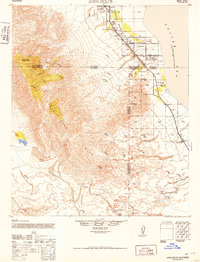 1952 Agua Dulce1952 Print · USGSThe Coachella Valley and Santa Rosa Mountains are depicted here in the early fifties as desert travel and local industry expanded. Researchers can trace historic routes like the Truckhaven Trail and locate early landmarks such as the Flemming Saw Mill or Oasis Sch.
 - 1954 Map of Salton Sea
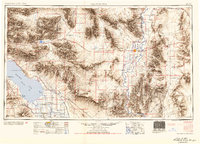 1954 Salton Sea1954 Print · USGSThe Colorado River and Imperial Valley desert frontiers are captured here in the 1950s. Trace the irrigation networks of Calipatria and mining sites like Eagle Mountain Mine.
 - 1955 Map of Salton Sea
 1955 Salton Sea1955 Print · USGSThe Colorado River and Imperial Valley desert basins appear here during the mid-fifties, revealing a landscape of remote mines and agricultural irrigation. Genealogists and researchers can trace locations like the Parker Alien Reception Center Unit No 1, Blythe, and the Kane Springs School.2 unique versions available
 - 1956 Map of Santa Ana
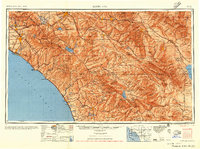 1956 Santa Ana1956 Print · USGSSouthern California underwent massive mid-century transformation as suburban growth met major military and water projects. Trace the postwar expansion of Santa Ana and Riverside, the layout of Camp Pendleton, and the path of the Colorado River Aqueduct.
 - 1956 Map of Truckhaven, 1957 Print
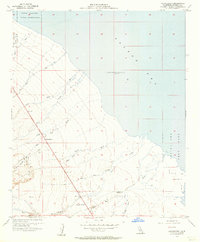 1956 Truckhaven1957 Print · USGSThe Salton Sea shoreline and its surrounding desert outposts are captured here in the mid-fifties, during a period of active military testing and early desert settlement. Researchers can trace the layout of the Salton Sea Test Base or locate local landmarks like Truckhaven, Squeaky Springs, and the Arroyo Salada.3 unique versions available
 - 1956 Map of Kane Spring NW, 1957 Print
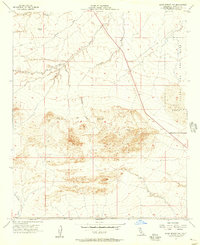 1956 Kane Spring NW1957 Print · USGSImperial County was a landscape of military testing and desert survival in the mid-fifties. Researchers can trace the boundaries of the Salton Sea Test Base and locate isolated water sources like the Artesian Well and Spring (Alkali).4 unique versions available
 - 1956 Map of Seventeen Palms, 1958 Print
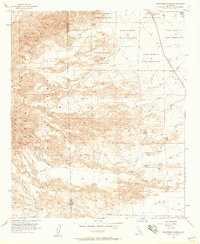 1956 Seventeen Palms1958 Print · USGSThe Imperial County desert comes into focus during the mid-fifties, showing the intersection of tribal lands and early mining efforts. Trace the routes of the Truckhaven Trail and find isolated desert water sources like Seventeen Palms and Four Palms Spring.5 unique versions available
 - 1957 Map of Durmid
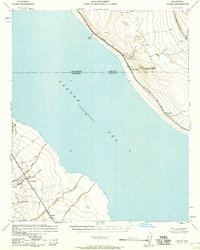 1957 Durmid1957 Print · USGSThe Salton Sea shoreline and the Southern Pacific rail line define this California desert landscape in the mid-1940s. Genealogists and historians can trace small settlements and infrastructure like Truckhaven, Salton Beach, and the Torres-Martinez Indian Res.
 - 1959 Map of Rabbit Peak, 1961 Print
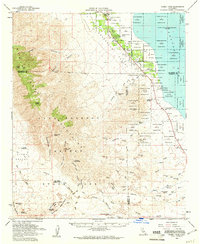 1959 Rabbit Peak1961 Print · USGSThe northern reaches of the Colorado Desert come into focus in the late fifties, showing the interplay between the Salton Sea and the Santa Rosa Mountains. Genealogists and historians can trace the development of Oasis, locate the Calcite Mine, or follow the Truckhaven Road through the Borrego Badlands.2 unique versions available
 - 1959 Map of Salton Sea, 1968 Print
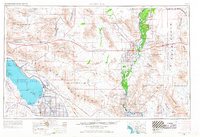 1959 Salton Sea1968 Print · USGSThe Colorado River and Salton Sea basin are shown here during a decade of intense military and agricultural activity. Trace family roots in Blythe or Niland, and locate historical mining operations like the Eagle Mountain Mine and Red Cloud Mine.4 unique versions available
 - 1959 Map of Santa Ana, 1971 Print
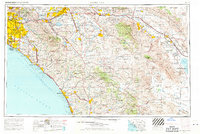 1959 Santa Ana1971 Print · USGSSouthern California is captured in a decade of transformation, from the Orange County coast to the desert floor. Researchers can trace the mid-century footprints of Camp Pendleton, March Air Force Base, and the original Ortega Highway.3 unique versions available
 - 1960 Map of Santa Ana
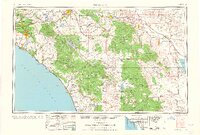 1960 Santa Ana1960 Print · USGSSouthern California's coastal plains and inland deserts meet in this mid-century survey of the burgeoning Orange and Riverside county corridors. Researchers can trace the layout of early freeway systems, find tribal lands like the Soboba Indian Reservation, and locate military landmarks such as March Field.2 unique versions available
 - 1963 Map of Salton Sea
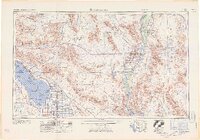 1963 Salton Sea1963 Print · USGSThe Colorado Desert during the early sixties shows a landscape defined by massive water projects and Cold War military ranges. Trace the growth of Salton City and Brawley, or locate remote desert outposts like the Paymaster Mine and Desert Center.
Showing maps 1-25 of 33
Top cities near Salton City
Frequently asked questions
- What are the different types of historical maps available for Salton City?
- What is the oldest map of Salton City?
- Where can I purchase historical maps of Salton City for my home or office?
- Where can I download high-res historical maps of Salton City?
- Are there historical topographic maps available for Salton City?
- Is there historical aerial imagery available for Salton City?
- Where are historical maps of Salton City sourced from?