Old Maps of Madera, California for Metal Detecting
Plan your next treasure hunt with 46 historic maps of Madera. Find old homesites, ghost towns, trails, and gathering spots that may be lost to time — perfect for identifying promising metal detecting locations.
- Locate forgotten sites: Uncover places like long-lost settlements, abandoned rail lines, or gathering spots.
- Plan better hunts: Use map overlays combined with LiDAR or satellite views to narrow in on historically rich areas.
- Made for detectorists: Thousands of hobbyists use these maps to discover relics, coins, and hidden history.
Use these historic maps to boost your research and find new opportunities beneath the surface of Madera.
Madera, CA maps
(46)- 1916 Map of Berenda
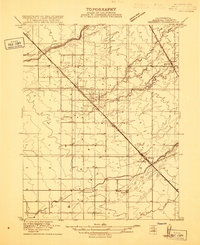 1916 Berenda1916 Print · USGSMadera County agricultural life is captured here in the years before the Great War, showing a landscape organized by rail and road. Family historians can locate early farmstead sites near Berendo School, Fairmead, and the Crumley settlement.
 - 1918 Map of Berenda
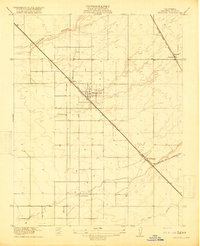 1918 Berenda1918 Print · USGSMadera County agricultural lands and rail junctions are captured here in the years following the first World War. Genealogists and researchers can trace early homestead patterns around Fairmead, Berenda, and the Munich School.
 - 1920 Map of Kismet
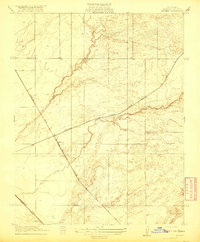 1920 Kismet1920 Print · USGSMadera County’s rail-and-river geography is on full display here during the early twentieth century. Genealogists and researchers can trace the junction of the Atchison Topeka and Santa Fe at Kismet, the rural Talbot School, and the course of the Fresno River.
 - 1920 Map of Bonita Ranch
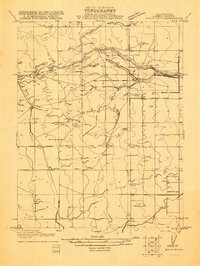 1920 Bonita Ranch1920 Print · USGSMadera County agricultural land is captured here in the years following the Great War, showing a landscape defined by ranching and the Fresno River. Genealogists and historians can trace early water rights and property lines at Bonita Ranch and Rattlesnake Ranch.
 - 1921 Map of Bonita Ranch
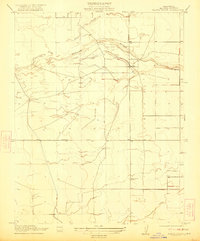 1921 Bonita Ranch1921 Print · USGSIn the early twentieth century, this Madera County landscape was defined by the winding Fresno River and large pastoral holdings. Genealogists and local historians can trace the foundations of the regional ranching economy through landmarks like Bonita Ranch, Rattlesnake Ranch, and the path of Firebaugh Road.
 - 1922 Map of Madera
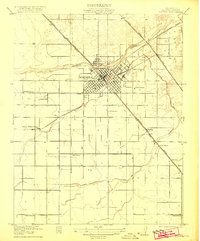 1922 Madera1922 Print · USGSMadera and the surrounding valley floor are captured here in the early twenties, during a period of significant agricultural and infrastructure development. Genealogists and local historians can locate early landmarks like Italian Swiss Colony, the County Hospital, and rural schoolhouses including Lavine School and Arcola School.
 - 1946 Map of Le Grand, 1953 Print
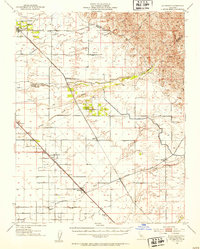 1946 Le Grand1953 Print · USGSThe San Joaquin Valley agricultural heartland comes into focus during the mid-forties, showing the vital rail corridors and watercourses that shaped the region. Genealogists and local researchers can trace early settlements and rural school sites like Dixieland School, Fairmead, and the northern hub of Le Grand.2 unique versions available
 - 1946 Map of Madera, 1954 Print
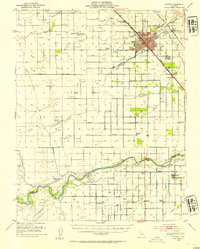 1946 Madera1954 Print · USGSMadera and the surrounding valley floor are shown in the mid-1940s as the regional irrigation network reached its height. Researchers can trace the development of rural education and transport at Storey, Ripperdan School, and the Empire RR.2 unique versions available
 - 1946 Map of Bonita Ranch, 1960 Print
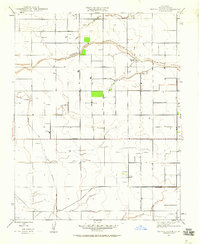 1946 Bonita Ranch1960 Print · USGSMadera County ranching and irrigation patterns are clearly visible in this mid-century survey of the Central Valley. Researchers can trace the legacy of large operations like Bonita Ranch and the alignment of the Gravelly Ford Canal (Abandoned).
 - 1947 Map of Bonita Ranch
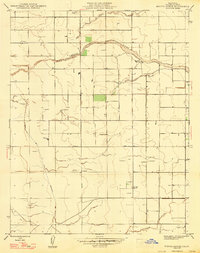 1947 Bonita Ranch1947 Print · USGSMadera County agricultural life is captured here in the mid-forties, showing the vast ranching and irrigation network of the San Joaquin Valley. Genealogists and researchers can trace local landmarks like Bonita Ranch, the Fresno River, and the Gravelly Ford Canal (Abandoned).
 - 1947 Map of Madera
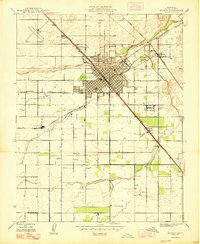 1947 Madera1947 Print · USGSMadera was a bustling rail and agricultural hub in the late 1940s, situated where major railroad lines intersected the Central Valley floor. Local historians can trace the foundations of the regional economy at the Madera Winery or locate rural landmarks like La Vina Sch and the settlement of Borden.
 - 1947 Map of San Jose, 1948 Print
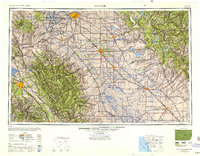 1947 San Jose1948 Print · USGSNorthern California's heartland is captured here just after the war, showing the rapid growth of the Santa Clara and Central Valleys. Researchers can trace the legacy of rail and water at Castle Air Force Base, Stockton, and the Hetch Hetchy Aqueduct.
 - 1948 Map of Santa Cruz
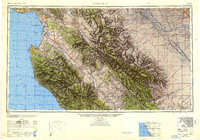 1948 Santa Cruz1948 Print · USGSThe Central Coast and San Joaquin Valley meet in this mid-century look at the region's agricultural and military geography. Genealogists and historians can trace the paths of El Camino Real, locate family farms near Hollister, or study the footprint of the Fort Ord Military Reservation.2 unique versions available
 - 1948 Map of Kismet
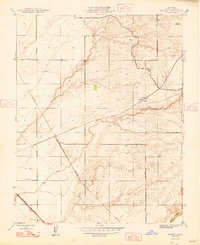 1948 Kismet1948 Print · USGSMadera County ranchlands and rail corridors come alive in the late 1940s, showing a landscape defined by transit and water. Genealogists and historians can trace the paths of the Southern Pacific through the small settlements of Kismet and Notarb.2 unique versions available
 - 1948 Map of Berenda
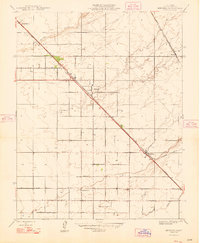 1948 Berenda1948 Print · USGSMadera County agricultural life was at a crossroads in the late 1940s as rail networks and local schools defined the rural landscape. Genealogists can trace family footprints near Dixieland Sch or along the vital Southern Pacific line through Fairmead and Berenda.2 unique versions available
 - 1955 Map of Santa Cruz
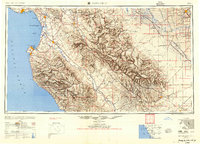 1955 Santa Cruz1955 Print · USGSCoastal Monterey Bay and the fertile Salinas Valley are captured here during the post-war expansion of the mid-fifties. Researchers can trace the era's rail-and-road network via the Southern Pacific lines and find landmarks like Fort Ord or the Lonoak School.
 - 1956 Map of San Jose
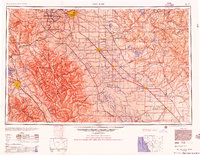 1956 San Jose1956 Print · USGSCentral California in the mid-fifties reveals the transition from sprawling orchards to growing urban hubs like San Jose and Stockton. Genealogists and historians can trace the rail-era landscape of the Mother Lode through Chinese Camp and Tuttletown, or follow the water through the Joaquin River and Calaveras Reservoir.
 - 1957 Map of Santa Cruz
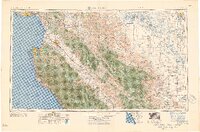 1957 Santa Cruz1957 Print · USGSCentral California comes into sharp focus during the late fifties, from the fog-swept Monterey Bay to the sun-drenched San Joaquin Valley. Genealogists and historians can trace the mid-century footprints of Fort Ord Military Reservation, the Southern Pacific line, and the historic streets of San Juan Bautista.
 - 1958 Map of Santa Cruz
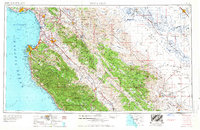 1958 Santa Cruz1958 Print · USGSCoastal California and the central valleys are shown during the mid-fifties, capturing a landscape of massive military reserves and vital rail arteries. Genealogists and historians can trace the Southern Pacific line through Salinas or explore the early footprints of the Fort Ord Military Reservation and San Juan Bautista.2 unique versions available
 - 1961 Map of Berenda, 1962 Print
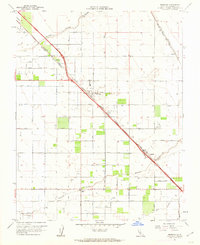 1961 Berenda1962 Print · USGSMadera County agricultural life is captured here in the early sixties, showing the vital rail and irrigation networks of the San Joaquin Valley. Researchers can trace the layout of Fairmead and Berenda, find the Dixieland School, or locate the Grange Hall.4 unique versions available
 - 1961 Map of Kismet, 1963 Print
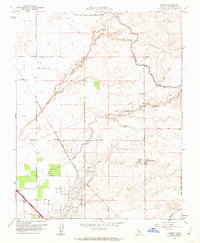 1961 Kismet1963 Print · USGSMadera County in the early sixties shows a landscape defined by the intersection of major rail lines and vital irrigation infrastructure. Genealogists and historians can trace the local impact of the Southern Pacific and Madera Air Force Station near Kismet.4 unique versions available
 - 1961 Map of Le Grand, 1963 Print
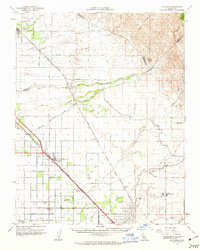 1961 Le Grand1963 Print · USGSMerced and Madera Counties come into focus in the early sixties, showing the vital intersection of the Southern Pacific and Santa Fe rail lines. Genealogists and researchers can locate the Madera Air Force Station, trace the rural Dixieland Sch, and find the exact positions of settlements like Fairmead and Le Grand.
 - 1962 Map of San Jose
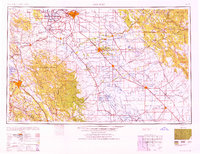 1962 San Jose1962 Print · USGSCentral California in the early sixties showcases the expansion of the San Joaquin and Santa Clara valleys. Researchers can trace the rail-to-road transition along the Southern Pacific RR or locate landmarks like Castle USAF Base and Loma Prieta.4 unique versions available
 - 1963 Map of Bonita Ranch, 1964 Print
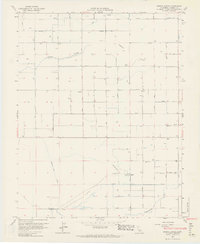 1963 Bonita Ranch1964 Print · USGSThe San Joaquin Valley landscape near Madera comes into focus in the early sixties, showing a sophisticated network of canals and irrigation. Researchers can locate Bonita Ranch, New Hope Cem, and the rural Howard Sch among the valley's productive ranch lands.4 unique versions available
 - 1963 Map of Madera, 1964 Print
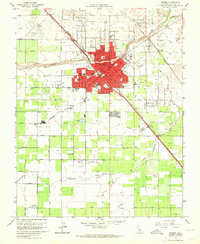 1963 Madera1964 Print · USGSMadera was a thriving agricultural and rail center in the early sixties, anchored by a dense network of schools and civic buildings. Genealogists and local historians can trace family ties at Arbor Vitae Cem or locate old landmarks like the Winery and Borden.2 unique versions available
Showing maps 1-25 of 46
Top cities near Madera
Frequently asked questions
- What are the different types of historical maps available for Madera?
- What is the oldest map of Madera?
- Where can I purchase historical maps of Madera for my home or office?
- Where can I download high-res historical maps of Madera?
- Are there historical topographic maps available for Madera?
- Is there historical aerial imagery available for Madera?
- Where are historical maps of Madera sourced from?