Old Maps of Denver, Colorado for Metal Detecting
Plan your next treasure hunt with 115 historic maps of Denver. Find old homesites, ghost towns, trails, and gathering spots that may be lost to time — perfect for identifying promising metal detecting locations.
- Locate forgotten sites: Uncover places like long-lost settlements, abandoned rail lines, or gathering spots.
- Plan better hunts: Use map overlays combined with LiDAR or satellite views to narrow in on historically rich areas.
- Made for detectorists: Thousands of hobbyists use these maps to discover relics, coins, and hidden history.
Use these historic maps to boost your research and find new opportunities beneath the surface of Denver.
Denver, CO maps
(115)- 1890 Map of East Denver
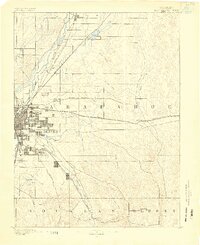 1890 East Denver1890 Print · USGSDenver and the surrounding plains are captured in the late frontier era as a complex web of irrigation canals and iron rails. Researchers can trace early water systems like the High Line Ditch or locate early settlements such as Parker's and Scranton.
 - 1899 Map of West Denver
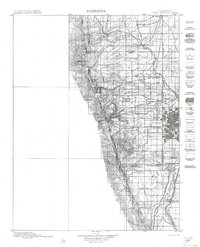 1899 West Denver1899 Print · USGSThe Denver metropolitan area and its western foothills appear in the late Victorian era as a burgeoning rail and irrigation hub. Researchers can trace the early footprints of Denver, Golden, and Littleton, alongside industrial sites like the Louisville Coal Mine and the grounds of Fort Logan.
 - 1935 Map of East Denver Nos. 3 and 4
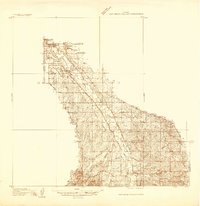 1935 East Denver Nos. 3 and 41935 Print · USGSSoutheast Denver and the surrounding High Plains are captured here in the mid-1930s as residential growth began to push into Douglas County. Researchers can locate early landmarks like Fairmount Cemetery, the settlement of Sullivan, and the Melvin Sch.
 - 1938 Map of Derby, 1955 Print
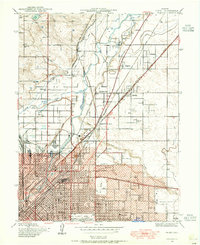 1938 Derby1955 Print · USGSThe industrial and aviation landscape north of Denver is captured here during the late Depression era, showing a transition from dense urban rail hubs to irrigated farmland. Researchers can trace the legacy of the Stockyards, the Riverside Cemetery, and early runways at the Municipal Airport.
 - 1938 Map of Long Branch, 1957 Print
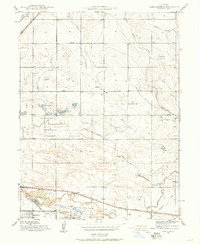 1938 Long Branch1957 Print · USGSThe outskirts of Denver in the late 1930s reveal a landscape of military installations, rail lines, and irrigation works. Trace the early boundaries of Aurora and locate local landmarks like Rose Hill Sch and Fitzsimons General Hospital.
 - 1940 Map of Englewood
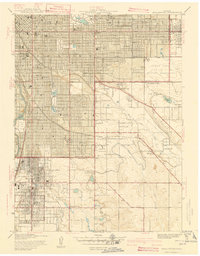 1940 Englewood1940 Print · USGSBefore the postwar boom, South Denver and Englewood were a landscape of grand country clubs and critical water infrastructure. Trace the early boundaries of Lowry Field Military Reservation and historic sites like Sullivan and the University of Denver.
 - 1940 Map of Derby
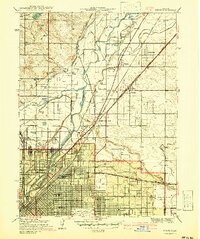 1940 Derby1940 Print · USGSAdams County and north Denver appear here on the eve of World War II, showing a landscape of irrigation ditches, heavy rail, and early aviation. Researchers can trace the legacy of the Stockyards, the sprawling Denver City and Co Airport, and vanished local schools like Mapleton Sch.2 unique versions available
 - 1941 Map of Long Branch
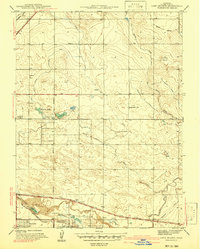 1941 Long Branch1941 Print · USGSThe high plains of Adams County were undergoing a period of vital irrigation and military growth just before the mid-century. Researchers can trace the early layout of Aurora, the massive Fitzsimons General Hospital campus, and the rural rail stops at Sable and Irondale.
 - 1941 Map of Fitzsimons
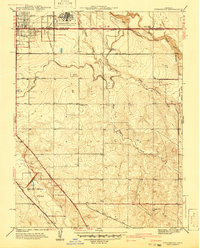 1941 Fitzsimons1941 Print · USGSArapahoe County was a landscape of military expansion and rural education just before the war. Trace the early boundaries of the Fitzsimons General Hospital and find local landmarks like Pleasant View Sch and the High Line Canal.2 unique versions available
 - 1941 Map of Arvada
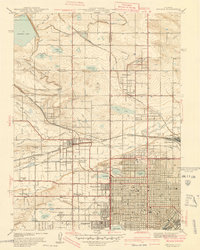 1941 Arvada1941 Print · USGSThe Arvada and Westminster areas of the Colorado Front Range appear here in the early 1940s, showing a landscape defined by irrigation and rail. Researchers can trace historic institutions like Bellevue College, early settlements at Utah Junction, and the Leyden Narrow Gage railroad.
 - 1941 Map of Fort Logan
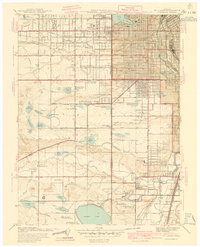 1941 Fort Logan1941 Print · USGSThe western edges of Denver and the community of Sheridan are captured here just before the mid-century population boom. Researchers can trace the layout of the Fort Logan Military Reservation and locate local landmarks like Loretto Heights College and Sloan Lake.
 - 1942 Map of Highland Ranch
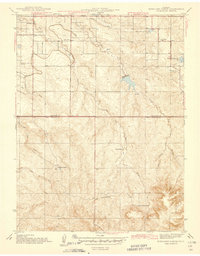 1942 Highland Ranch1942 Print · USGSThe northern Douglas County ranchlands appear here in the early 1940s as a quiet expanse of large family estates and critical water canals. Researchers can trace the early boundaries of Highland Ranch, locate the Cheese Ranch, and find rural landmarks like Curtis Sch and the Englewood Dam.
 - 1942 Map of Mile High Lakes
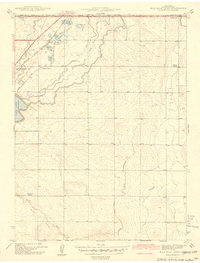 1942 Mile High Lakes1942 Print · USGSAdams County ranching and water engineering are on full display in the early 1940s, as a network of canals transformed the High Plains. Genealogists and local historians can trace legacy holdings like Patton Ranch and Miliken Ranch or locate the vital Klink Siding along the railroad.
 - 1942 Map of Box Elder School
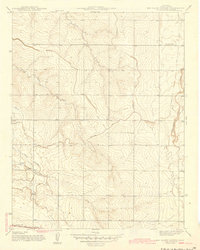 1942 Box Elder School1942 Print · USGSAdams County ranching and irrigation systems are in full view just before the mid-century, as the city of Denver begins to expand eastward. Trace the early rural school districts at Box Elder Sch and First Creek Sch or follow the path of the Highline Canal.
 - 1942 Map of Littleton
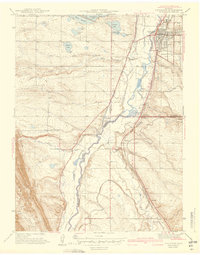 1942 Littleton1942 Print · USGSLittleton and the South Platte River valley appear here just before the mid-century boom, shaped by a vital network of railroads and reservoirs. Researchers can trace early rural life at Deer Creek Sch, the riverside siding at Struby, and the waters of Marston Lake.2 unique versions available
 - 1944 Map of Arvada
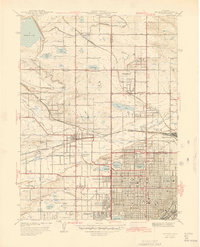 1944 Arvada1944 Print · USGSThe northwest Denver suburbs appear as a series of distinct rail-connected towns in the 1940s. Genealogists can locate family landmarks like Arvada Cem, Semper Sch, and the grounds of Regis College.
 - 1944 Map of Englewood
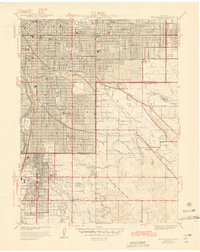 1944 Englewood1944 Print · USGSDenver and its southern suburbs appear during a period of significant mid-century growth and military expansion. Genealogists and local historians can trace the early grids of Englewood, find the original University of Denver campus, or locate family plots in Fairmount Cemetery.
 - 1947 Map of Derby
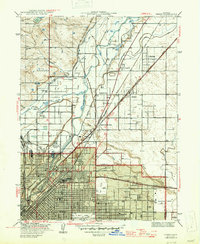 1947 Derby1947 Print · USGSDenver's northern periphery at the end of the 1930s reveals a landscape defined by industry and irrigation. Trace family roots at Riverside Cemetery or locate early landmarks like the Stockyards, Argo, and the Fish Hatchery.2 unique versions available
 - 1948 Map of Fort Logan
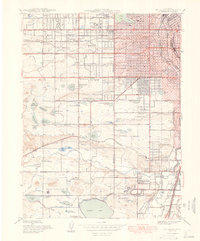 1948 Fort Logan1948 Print · USGSSouthwest Denver and Jefferson County emerge as a hub of military, medical, and educational institutions in the years following the war. Genealogists and historians can locate specific sites like the Craig Colony sanatorium, Loretto Heights College, and the sprawling Fort Logan Military Reservation.
 - 1948 Map of Long Branch
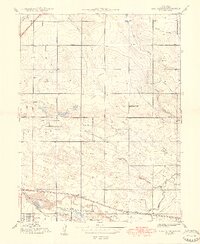 1948 Long Branch1948 Print · USGSEast of Denver in the late 1940s, this area shows a landscape of military hospitals and emerging settlements tied to the rail lines. Trace the grounds of Fitzsimons General Hospital or follow the Highline Canal past Irondale and Sable.
 - 1948 Map of Fitzsimons
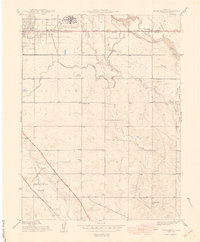 1948 Fitzsimons1948 Print · USGSThe eastern edges of Denver and Aurora were defined by major military installations and high-plains irrigation in the late 1940s. Genealogists and historians can trace the early development of Smoky Hill Park and the grounds of Fitzsimons General Hospital.
 - 1949 Map of Highland Ranch
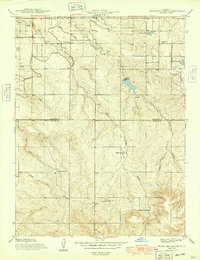 1949 Highland Ranch1949 Print · USGSArapahoe and Douglas counties were still defined by sprawling cattle operations and critical water infrastructure during the late 1940s. Genealogists and local historians can locate early landmarks like Cheese Ranch, Curtis Sch, and the original Highland Ranch headquarters.2 unique versions available
 - 1950 Map of Derby
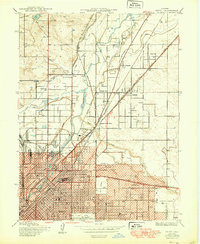 1950 Derby1950 Print · USGSThe northern reaches of Denver and Adams County are captured here at mid-century as industry and rail lines shaped the river valley. Researchers can trace the early footprints of Adams City, the Stockyards, and family history at Riverside Cemetery or Rose Hill Cem.
 - 1950 Map of Englewood
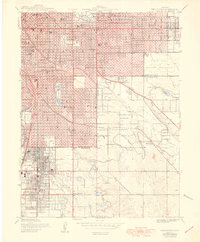 1950 Englewood1950 Print · USGSDenver and Englewood are seen during a period of rapid post-war expansion, blending urban civic centers with emerging suburban country clubs. Researchers can trace historic burial sites at Fairmount Cemetery or locate the settlement of Sullivan near the Highline Canal.
 - 1950 Map of Arvada
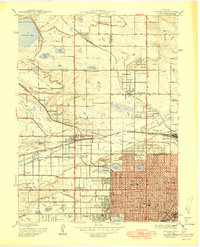 1950 Arvada1950 Print · USGSMid-century Jefferson County comes to life as Denver’s western edge begins its suburban transformation from a landscape of irrigation ditches and small farms. Researchers can trace the original footprints of Arvada, Wheatridge, and local landmarks like the Crown Hill Cemetery and Regis College.
Showing maps 1-25 of 115
Top cities of Denver
Frequently asked questions
- What are the different types of historical maps available for Denver?
- What is the oldest map of Denver?
- Where can I purchase historical maps of Denver for my home or office?
- Where can I download high-res historical maps of Denver?
- Are there historical topographic maps available for Denver?
- Is there historical aerial imagery available for Denver?
- Where are historical maps of Denver sourced from?