Old Maps of Fort Carson, Colorado for Metal Detecting
Plan your next treasure hunt with 39 historic maps of Fort Carson. Find old homesites, ghost towns, trails, and gathering spots that may be lost to time — perfect for identifying promising metal detecting locations.
- Locate forgotten sites: Uncover places like long-lost settlements, abandoned rail lines, or gathering spots.
- Plan better hunts: Use map overlays combined with LiDAR or satellite views to narrow in on historically rich areas.
- Made for detectorists: Thousands of hobbyists use these maps to discover relics, coins, and hidden history.
Use these historic maps to boost your research and find new opportunities beneath the surface of Fort Carson.
Fort Carson, CO maps
(39)- 1893 Map of Colorado Springs, 1896 Print
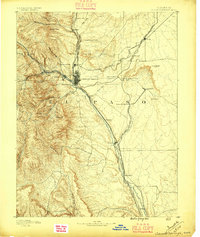 1893 Colorado Springs1896 Print · USGSEl Paso County at the end of the nineteenth century was a booming intersection of mountain tourism and heavy rail commerce. Researchers can trace early railroad alignments like the Colorado Midland Railroad and locate vanished stops at Franceville Junction or Bierstadt.2 unique versions available
 - 1909 Map of Colorado Springs
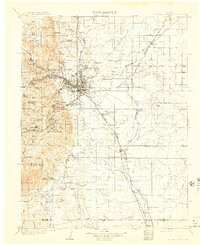 1909 Colorado Springs1909 Print · USGSColorado Springs and the Front Range foothills are shown here at a pivotal era of rail expansion and early tourism. Genealogists and historians can trace defunct rail lines, rural schoolhouse locations like Grandview School, and landmarks such as the Cliff Dwellings and Burial Rocks.5 unique versions available
 - 1942 Map of Colorado Springs
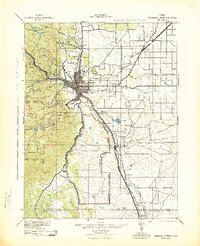 1942 Colorado Springs1942 Print · USGSColorado Springs and the Front Range appear here in the early years of the Second World War. Genealogists and historians can trace the rail corridors of the Chicago Rock Island and Pacific RR and locate sites like the Printers Home and Glen Eyrie.
 - 1948 Map of Colorado Springs, 1957 Print
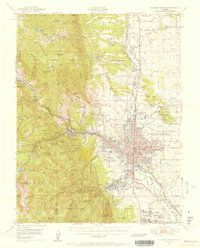 1948 Colorado Springs1957 Print · USGSColorado Springs and the Front Range foothills are captured here in the late Forties, just as post-war growth began to accelerate. Genealogists and historians can trace institutional landmarks like the Modern Woodmen of America Sanatorium and the Myron Stratton Home alongside the early bounds of Camp Carson.
 - 1948 Map of Fountain, 1958 Print
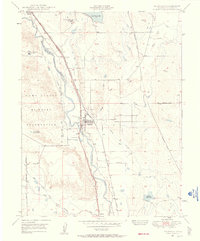 1948 Fountain1958 Print · USGSThe high plains of El Paso County are captured here just after the war, showing the expansion of military lands and rail lines. You can trace the railroad corridors through Fountain and locate local landmarks like Fairview Cemetery and Widefield School.
 - 1948 Map of Colorado Springs, 1958 Print
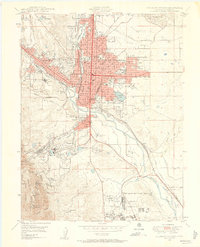 1948 Colorado Springs1958 Print · USGSColorado Springs is shown here in the late 1940s, as its urban footprint expanded toward the foothills. Researchers can trace historic landmarks like the Union Printers Home, the Will Rogers Shrine of the Sun, and the grounds of Colorado College.2 unique versions available
 - 1948 Map of Cheyenne Mountain, 1959 Print
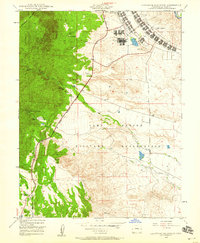 1948 Cheyenne Mountain1959 Print · USGSEl Paso County at the end of the 1940s shows the post-war growth of Camp Carson alongside traditional ranching and academic retreats. You can trace the Military Reservation Boundary and locate the Iowa State College Camp or Hitch Rack Ranch.
 - 1948 Map of Mount Big Chief, 1964 Print
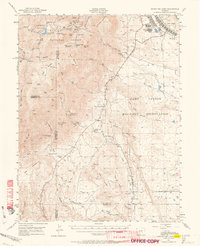 1948 Mount Big Chief1964 Print · USGSThe foothills and high peaks of the Front Range come alive in this post-war study of the area south of Colorado Springs. Genealogists and historians can trace the foundations of Camp Carson, search for family-named holdings like Avery Ranch, or locate vanished mountain schools such as Lytle School.2 unique versions available
 - 1949 Map of Cheyenne Mountain
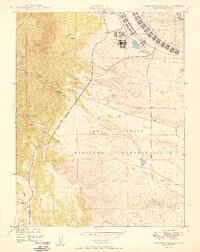 1949 Cheyenne Mountain1949 Print · USGSEl Paso County at the close of the 1940s reveals the strategic footprint of the Camp Carson complex against the foothills. Researchers can trace the layout of the Military Reservation, find collegiate outposts like the Iowa State College Camp, and locate private landmarks such as J L Ranch.2 unique versions available
 - 1950 Map of Fountain
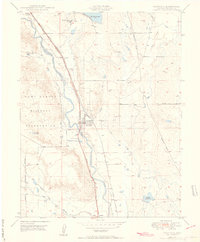 1950 Fountain1950 Print · USGSEl Paso County at the dawn of the fifties shows a landscape of strategic rail lines and expanding irrigation. Genealogy researchers can trace family landmarks like Fairview Cemetery and the original sites of Widefield School and Fountain Valley School.2 unique versions available
 - 1950 Map of Colorado Springs
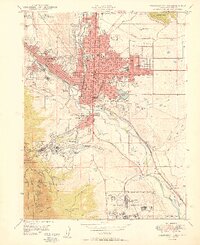 1950 Colorado Springs1950 Print · USGSColorado Springs and its surrounding foothills are captured just after the war, showing a city defined by both its mountain tourism and military growth. Genealogists and historians can locate Broadmoor, the Union Printers Home, and the sprawling Camp Carson Military Reservation.2 unique versions available
 - 1951 Map of Fountain
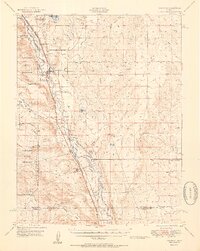 1951 Fountain1951 Print · USGSThe Fountain valley during the early fifties shows a landscape shaped by military expansion and intensive irrigation. Researchers can trace the dual rail lines through Wigwam and Crews or locate family landmarks like the 7 L Bar Ranch and Wilson Cemetery.2 unique versions available
 - 1951 Map of Colorado Springs
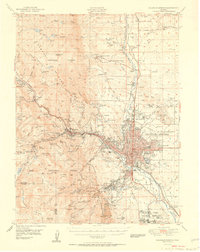 1951 Colorado Springs1951 Print · USGSColorado Springs and the Front Range foothills are captured here in the early fifties during a period of rapid urban and military growth. Genealogists and historians can trace the foundations of local institutions like the Union Printers Home, Evergreen Cem, and the Woodmen School.2 unique versions available
 - 1951 Map of Mount Big Chief
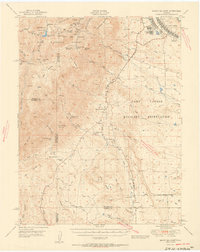 1951 Mount Big Chief1951 Print · USGSEl Paso and Fremont counties were undergoing a significant military expansion in the early fifties as CAMP CARSON grew into the mountains. Researchers can trace family ranching history at Turkey Creek Ranch or locate vanished rural education sites like Lytle School.2 unique versions available
 - 1954 Map of Pueblo, 1966 Print
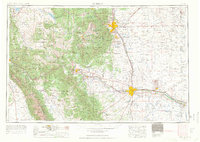 1954 Pueblo1966 Print · USGSMid-century Colorado comes alive in this survey of the Front Range and the high plains as the region expanded after the war. Genealogists and historians can trace family roots through rural landmarks like Hanover Church, Pioneer Cemetery, and the Grandview School.3 unique versions available
 - 1957 Map of Pueblo
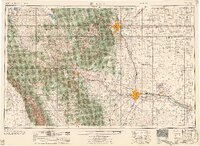 1957 Pueblo1957 Print · USGSMid-century Colorado comes alive as the Front Range urban centers expand alongside massive Cold War military installations. Genealogists and historians can trace the foundations of Stone City, rural sites like Hanover School, and the industrial Canon Imperial Mine.
 - 1958 Map of Pueblo
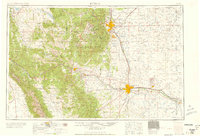 1958 Pueblo1958 Print · USGSColorado's Front Range and Arkansas River Valley come alive in the late fifties, showing the transition from historic mining districts to major military and rail hubs. Genealogists and historians can trace family roots in ranching communities and find landmarks like Cripple Creek, Manitou, and the Hanover School.
 - 1961 Map of Cheyenne Mountain, 1963 Print
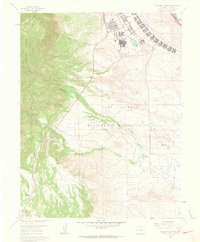 1961 Cheyenne Mountain1963 Print · USGSEl Paso County in the early sixties showcases the intersection of military expansion and Front Range wilderness. Trace the boundaries of the Fort Carson Military Reservation alongside landmarks like Hitch Rack Ranch and the Louisiana State University Camp.9 unique versions available
 - 1961 Map of Colorado Springs, 1963 Print
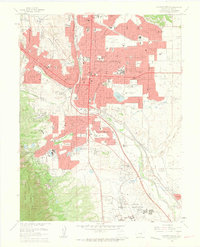 1961 Colorado Springs1963 Print · USGSColorado Springs was undergoing significant growth in the early sixties, as suburban developments expanded toward the surrounding military installations. Researchers can trace the layout of Ent Air Force Base, find family sites in Evergreen Cemetery, or locate vanished schoolhouses like Wasson High Sch.7 unique versions available
 - 1961 Map of Fountain, 1963 Print
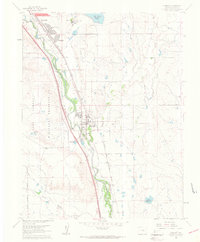 1961 Fountain1963 Print · USGSEl Paso County at the start of the sixties shows a landscape of rapid suburban growth and military presence. Genealogists and historians can trace the early developments of Security and Widefield or locate rail sites like Crews and Holmes.9 unique versions available
 - 1962 Map of Pueblo
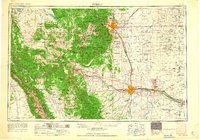 1962 Pueblo1962 Print · USGSThe Front Range and high plains meet in the early sixties as military installations and industrial mining shape the corridor from Colorado Springs to Pueblo. Genealogists can trace family names through rural landmarks like the Columbine School, Hanover Church, and Fairview Cem.
 - 1966 Map of Pueblo
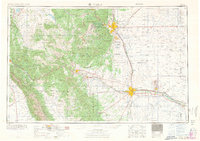 1966 Pueblo1966 Print · USGSThe Front Range and Arkansas River Valley are captured here in the mid-1960s, showing a landscape shaped by mining, military expansion, and rail. Researchers can locate numerous country schools and mines, such as the Lytle School, Pioneer Cem, and Empire Zinc Mine.
 - 1981 Map of Colorado Springs
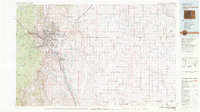 1981 Colorado Springs1981 Print · USGSColorado Springs and the Front Range were well established by the early eighties, showcasing a mix of military installations and mountain settlements. Genealogists and historians can trace the growth of Security and Widefield or locate remote points like Holtwold Store and Ellicott.2 unique versions available
 - 1989 Map of Pueblo
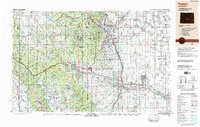 1989 Pueblo1989 Print · USGSIn the late eighties, the Colorado Front Range balanced its deep mining history with massive military expansion and water development. Researchers can trace the rail lines of the AT & SF RR or locate remote high-altitude settlements like Rosita and Querida.
 - 2010 Map of Fountain, 2010 Print
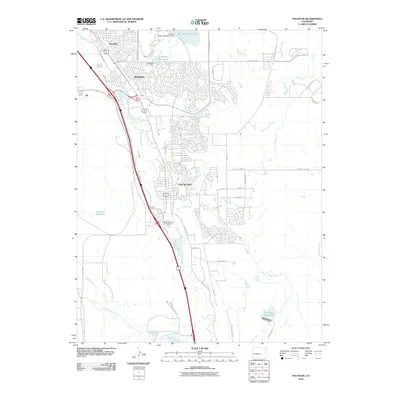 2010 Fountain2010 Print · USGSFountain and the adjacent communities of Security and Widefield are captured during a period of significant suburban expansion in 2010. Trace local family history and infrastructure through Fairview Cemetery at Fountain, the Big Johnson Reservoir, and Crews.
Showing maps 1-25 of 39
Top cities near Fort Carson
Frequently asked questions
- What are the different types of historical maps available for Fort Carson?
- What is the oldest map of Fort Carson?
- Where can I purchase historical maps of Fort Carson for my home or office?
- Where can I download high-res historical maps of Fort Carson?
- Are there historical topographic maps available for Fort Carson?
- Is there historical aerial imagery available for Fort Carson?
- Where are historical maps of Fort Carson sourced from?