Old Maps of Antlers, Colorado for Hiking & Exploration
Hike through history with 14 historic maps of Antlers. Explore old trails, ghost towns, and forgotten backroads — perfect for outdoor adventurers and local explorers.
- Rediscover forgotten places: Map out old mining camps, roads, and footpaths that no longer exist on modern maps.
- Layer with modern tools: Combine with LiDAR or satellite views to plan hikes through historical terrain.
- Made for exploration: Popular among hikers, overlanders, and local history lovers.
Use these maps to find adventure and explore the hidden past of Antlers.
Antlers, CO maps
(14)- 1906 Map of Grand Hogback, 1959 Print
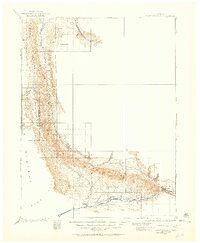 1906 Grand Hogback1959 Print · USGSGarfield County at the turn of the century shows a frontier landscape defined by the rugged Grand Hogback and the vital Colorado River corridor. Researchers can trace early rail stops and rural outposts like Dinner Sta, Antlers, and the riverside town of Silt.
 - 1910 Map of Grand Hogback
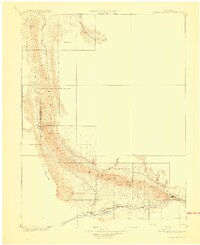 1910 Grand Hogback1910 Print · USGSGarfield and Rio Blanco counties appear at the height of the early railroad era, defined by the towering spine of the Grand Hogback. Local historians can trace the early rail stops and river settlements like Rio Blanco, Antlers, and Dinner Sta.3 unique versions available
 - 1957 Map of Leadville, 1978 Print
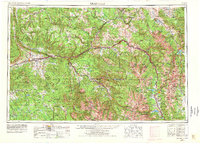 1957 Leadville1978 Print · USGSHigh-country mining and rail transport define the central Colorado Rockies during the mid-to-late twentieth century. Researchers can trace the industrial footprints of Gilman and Climax, find small rail stops like Malta, and follow the Denver and Rio Grande Western RR.2 unique versions available
 - 1959 Map of Leadville
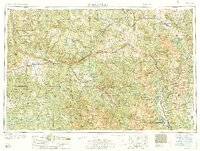 1959 Leadville1959 Print · USGSThe Colorado high country in the late fifties is a landscape of mining history and military training, from the streets of Leadville to the Camp Hale grounds. Genealogists and historians can trace the Denver and Rio Grande Western RR alongside now-deserted sites like Ashcroft and Independence.
 - 1960 Map of Leadville
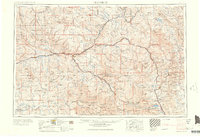 1960 Leadville1960 Print · USGSThe Colorado high country in the mid-fifties comes alive through its mining camps, river valleys, and rail lines. Trace the industrial legacy of the Climax Molybdenum Mine and explore the alpine reaches of the Camp Hale Military Reservation.2 unique versions available
 - 1962 Map of Leadville
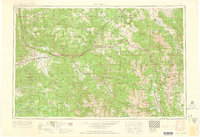 1962 Leadville1962 Print · USGSThe Colorado high country in the early sixties was a rugged landscape of mining camps, military training grounds, and emerging ski towns. Researchers can trace the legacy of Camp Hale, locate the Molybdenum mine near Leadville, and follow the Denver and Rio Grande Western RR through the canyons.
 - 1962 Map of Silt, 1964 Print
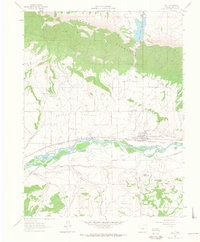 1962 Silt1964 Print · USGSThe Colorado River valley comes into focus in the early sixties as the railroad and irrigation networks define the landscape near Silt. Trace the historic Denver and Rio Grande Western tracks, find the old Drive-in Theater, and follow the complex Last Chance Ditch.7 unique versions available
 - 1964 Map of Leadville
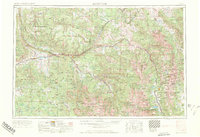 1964 Leadville1964 Print · USGSColorado's high country is captured here during the mid-1960s, showing the intersection of mining history and mountain transport. Trace the legacy of high-altitude industry at the Climax Molybdenum Mine or follow the rails of the Colorado and Southern Ry past Leadville.
 - 1981 Map of Glenwood Springs, 1982 Print
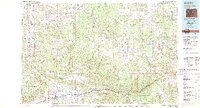 1981 Glenwood Springs1982 Print · USGSGarfield County in the early eighties was defined by the energy industry and the deep valley of the Colorado River. Genealogists and historians can trace the rail corridor of the Denver and Rio Grande Western through Glenwood Springs and locate industrial landmarks like the Anvil Points Oil Shale Mine.2 unique versions available
 - 2010 Map of Silt, 2010 Print
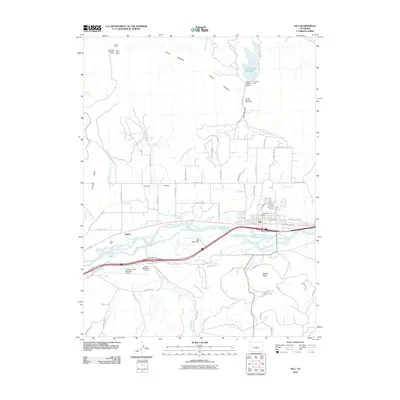 2010 Silt2010 Print · USGSThe Colorado River valley near Silt and Antlers is captured here during a period of modern aviation growth and legacy mining. Genealogists and historians can locate family-named landmarks like the Le Donne Mine or trace water rights through the Last Chance Ditch.
 - 2013 Map of Silt, 2013 Print
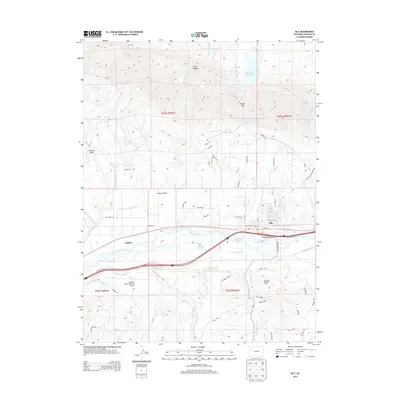 2013 Silt2013 Print · USGSGarfield County's river valley and high-desert terrain come into focus in this recent survey. Genealogists and local historians can trace the irrigation network from Silt to Antlers and locate sites like the Garfield County Regional Airport and Weible Peak.
 - 2016 Map of Silt, 2016 Print
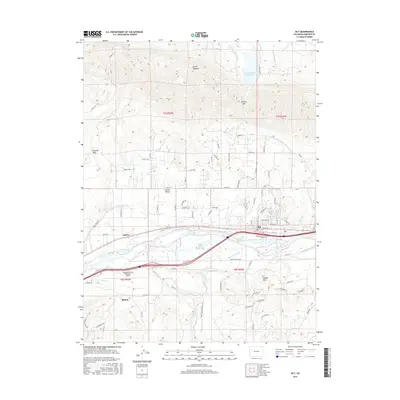 2016 Silt2016 Print · USGSThe Colorado River valley comes into focus during the mid-2010s, showing the intersection of agricultural irrigation and modern transit. Trace the intricate ditch systems like the Rising Sun Ditch or locate the Garfield County Regional Airport near Silt and Antlers.
 - 2019 Map of Silt, 2019 Print
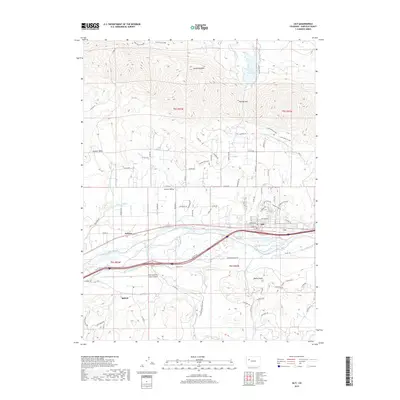 2019 Silt2019 Print · USGSThe Colorado River valley in the late twenty-teens is a landscape of complex irrigation and transit. Trace the historical water networks of the Grass Valley Canal and Last Chance Ditch alongside the growth of Silt and Antlers.
 - 2022 Map of Silt, 2022 Print
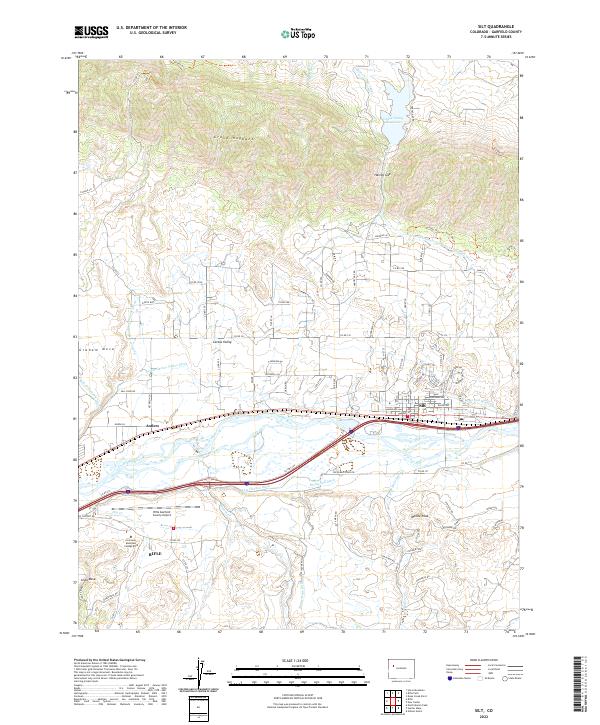 2022 Silt2022 Print · USGSThe Colorado River valley near Silt comes alive in this contemporary topographical study of Garfield County's high desert agriculture and aviation. Local historians can trace the intricate irrigation network of the Lower Cactus Valley Ditch, the historic site of Antlers, and landmarks like the Grand Hogback.
End of results
Showing maps 1-14 of 14
Top cities near Antlers
Frequently asked questions
- What are the different types of historical maps available for Antlers?
- What is the oldest map of Antlers?
- Where can I purchase historical maps of Antlers for my home or office?
- Where can I download high-res historical maps of Antlers?
- Are there historical topographic maps available for Antlers?
- Is there historical aerial imagery available for Antlers?
- Where are historical maps of Antlers sourced from?