Old Maps of Hinsdale County, Colorado for Academic Research
Study the evolution of Hinsdale County with 227 high-resolution historic maps. Whether you're teaching, researching, or modeling changes in land use, these maps provide essential visual documentation of urban, environmental, and geographic change.
- Analyze long-term change: Track patterns in development, transportation, and natural features.
- Ideal for environmental or urban studies: Support academic projects with primary historical map data.
- Use in the classroom or lab: Educators and researchers rely on these maps to bring historical context to life.
These maps are a powerful tool for teaching, research, and visualizing how Hinsdale County has changed over the decades.
Hinsdale County, CO maps
(227)- 1897 Map of Silverton
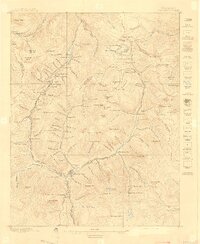 1897 Silverton1897 Print · USGSSilverton and its surrounding mining camps are captured at their industrial peak in the mid-1890s. Trace the intricate rail networks like the Silverton and Red Mountain R.R. and locate family-named operations like the Yankee Girl Mine or Stoiber Smelter.2 unique versions available
 - 1901 Map of Silverton, 1957 Print
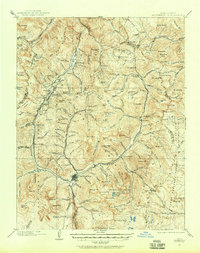 1901 Silverton1957 Print · USGSSilverton was the bustling center of the San Juan silver boom when these mountain railroads were at their peak. Genealogists and historians can trace the high-altitude rail lines to remote camps like Animas Forks, Guston, and Red Mountain.
 - 1902 Map of Silverton
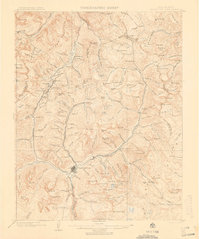 1902 Silverton1902 Print · USGSSilverton and its surrounding high-country mining camps are captured here during the peak of the San Juan mountain silver boom. Genealogists and industrial historians can trace the paths of the Silverton Northern R.R. to remote outposts like Animas Forks, Eureka, and the Sunnyside Mill.4 unique versions available
 - 1902 Map of Ouray, 1963 Print
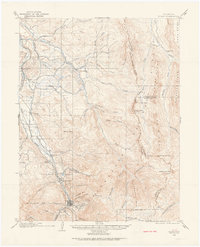 1902 Ouray1963 Print · USGSThe mountain town of Ouray and its surrounding peaks were surveyed at the start of the twentieth century. Genealogists and historians can trace the path of the Denver and Rio Grande R. R. through Bachelor Switch, Portland, and past the waters of Lake Lenore.
 - 1903 Map of Lake City, 1955 Print
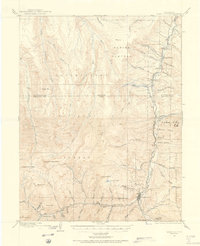 1903 Lake City1955 Print · USGSHinsdale County's mining heart is captured here at the turn of the century as industrial rail lines reached deep into the high country. Genealogists and historians can trace the foundations of Lake City and Capitol City, or locate specific industrial sites like the Hidden Treasure Mill and the Denver and Rio Grande R. R.2 unique versions available
 - 1904 Map of Ouray
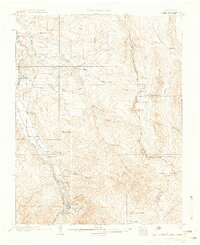 1904 Ouray1904 Print · USGSIn the early 1900s, the mining hub of Ouray was already a critical terminal for the Denver and Rio Grande RR. Historians can trace the industrial corridor from Portland down to Ouray, finding sites like the New York Tunnel and the Hot Springs as they appeared over a century ago.3 unique versions available
 - 1905 Map of Lake City
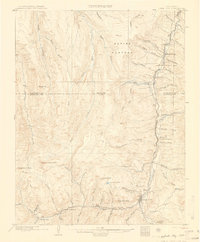 1905 Lake City1905 Print · USGSHinsdale County’s high-country mining district is captured here at the start of the twentieth century. Genealogists and historians can trace the rail route of the Rio Grande and Western, explore the streets of Lake City, and locate remote industrial sites like the Hidden Treasure Mill.2 unique versions available
 - 1905 Map of San Cristobal, 1963 Print
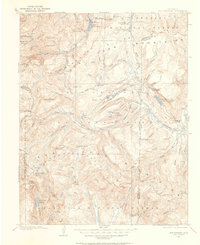 1905 San Cristobal1963 Print · USGSThe high peaks of the San Juan Mountains are recorded here just after the turn of the century as mining and high-altitude ranching shaped the area. Researchers can trace the layout of early settlements like Whitecross and Sherman or locate the Lakemans Fishponds near the Continental Divide.
 - 1907 Map of San Cristobal
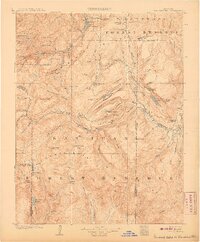 1907 San Cristobal1907 Print · USGSHinsdale and Mineral counties are shown during the early years of the national forest system, following the Continental Divide through high alpine peaks. Genealogists and researchers can trace the locations of mining-era settlements like Whitecross and Carson, or remote sites like Lakemans Fishponds.5 unique versions available
 - 1908 Map of Uncompahgre, 1954 Print
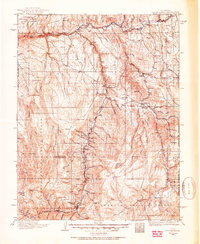 1908 Uncompahgre1954 Print · USGSThe Gunnison River canyon and high mesas defined life in this corner of Colorado during the early twentieth century. Genealogists and historians can trace the Denver and Rio Grande Railroad line through mountain outposts like Sapinero, Cebolla, and the Gunnison Mine.2 unique versions available
 - 1909 Map of Montrose, 1960 Print
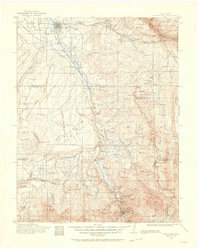 1909 Montrose1960 Print · USGSThe Uncompahgre Valley and surrounding peaks come into focus during the first decade of the twentieth century. Researchers can trace the Denver and Rio Grande Western RR through Ridgway to Bachelor Switch and the Blaine Mine.
 - 1911 Map of Uncompahgre
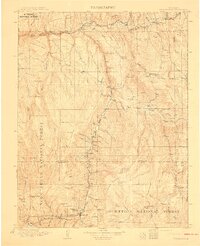 1911 Uncompahgre1911 Print · USGSThe Colorado high country at the start of the twentieth century reveals a landscape of isolated mining camps and vital mountain railways. Genealogists and historians can trace the Denver and Rio Grande RR through Sapinero to remote operations like the Gunnison Mine and Capitol City.2 unique versions available
 - 1911 Map of Montrose
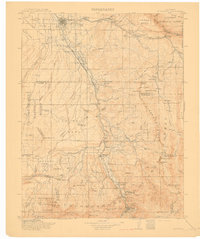 1911 Montrose1911 Print · USGSThe Uncompahgre River valley and the Denver and Rio Grande RR define the landscape of this region before the First World War. Researchers can trace the early layout of Montrose, the mining influence at Blaine Mine, and the route through Ridgway.3 unique versions available
 - 1924 Map of Pagosa Springs, 1958 Print
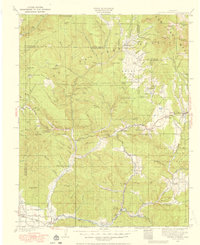 1924 Pagosa Springs1958 Print · USGSArchuleta County comes into focus in the 1920s as a vital mountain corridor defined by the San Juan and Piedra rivers. Genealogists and historians can trace the Denver and Rio Grande Western rail line and discover remote schoolhouses like Stollsteimer School and O'Neal Park School.2 unique versions available
 - 1927 Map of Pagosa Springs
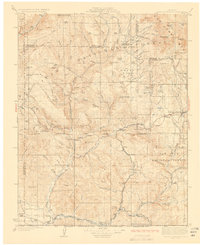 1927 Pagosa Springs1927 Print · USGSThe high country of the San Juan Mountains comes into focus in the 1920s as ranching and rail reach into the river valleys. Genealogists and historians can trace the Denver and Rio Grande Western line through Pagosa Junction and locate old rural hubs like Yellowjacket School.3 unique versions available
 - 1945 Map of Durango
 1945 Durango1945 Print · USGSSouthwest Colorado and Northern New Mexico at mid-century are defined by the high peaks of the San Juan Range and the tribal lands of the Southern Ute. Genealogists and historians can trace the paths of the D & R G W RR and locate local landmarks like Animas City and the Blanco Basin School.3 unique versions available
 - 1953 Map of Durango, 1963 Print
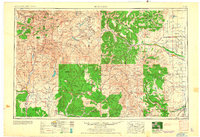 1953 Durango1963 Print · USGSThe high peaks of the San Juan Mountains and the Colorado mining country are shown here as they appeared in the early fifties. Genealogists and local historians can trace the rail lines of the D & R G W RR and locate historic mining camps like Silverton, Ouray, and Old Ophir.
 - 1954 Map of Durango
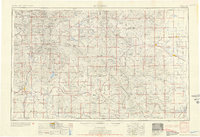 1954 Durango1954 Print · USGSSouthern Colorado in the mid-1950s was defined by high-altitude mining towns and the expansion of water storage in the San Luis Valley. Trace the narrow-gauge Denver & Rio Grande Western RR as it connects Durango to mountain outposts like Silverton and Creede.2 unique versions available
 - 1955 Map of Handies Peak, 1957 Print
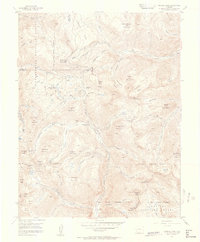 1955 Handies Peak1957 Print · USGSHigh-altitude mining camps and mountain passes characterize the San Juan Mountains during the mid-fifties. Genealogists and historians can trace the foundations of Animas Forks, the Sunnyside Mine, and the Old Lout Mine.7 unique versions available
 - 1955 Map of Howardsville, 1957 Print
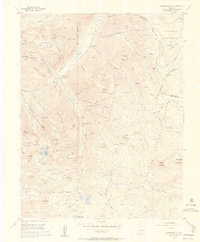 1955 Howardsville1957 Print · USGSThe San Juan high country in the mid-1950s reveals a landscape still thick with the infrastructure of the mining boom. Researchers can trace the path of numerous aerial tramways connecting the Animas River valley to storied sites like the Old Hundred Mine and Silver Lake Mine.8 unique versions available
 - 1955 Map of Silverton, 1960 Print
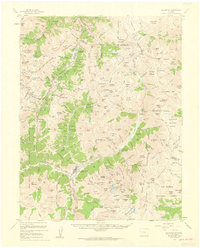 1955 Silverton1960 Print · USGSSilverton and the high San Juans are shown at a peak of mid-century mining activity, linked by rail and the mountain-hugging Million Dollar Highway. Researchers can trace historic claims and infrastructure from the Mayflower Mill to the remote Eureka and Howardsville town sites.3 unique versions available
 - 1956 Map of Montrose, 1963 Print
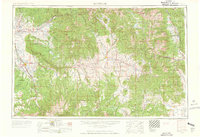 1956 Montrose1963 Print · USGSThe Colorado western slope in the late fifties and early sixties shows a landscape defined by the Denver & Rio Grande Western RR and the Gunnison River. Trace the development of Blue Mesa Reservoir or locate high-country sites like the Bachelor Mine.3 unique versions available
 - 1959 Map of Montrose
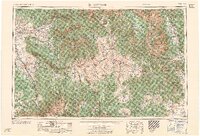 1959 Montrose1959 Print · USGSWestern Colorado in the late fifties is defined by the high peaks and river valleys of the Southern Rockies. Genealogists and historians can trace the paths of the Denver & Rio Grande Western RR or locate mountain settlements like Crawford, Lazear, and Doyleville.
 - 1959 Map of Bristol Head, 1961 Print
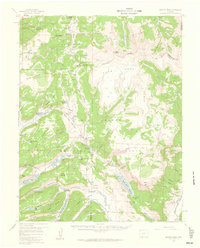 1959 Bristol Head1961 Print · USGSHinsdale and Mineral Counties are shown here during the late fifties, dominated by high-altitude ranching and the remnants of pioneer stage lines. Researchers can trace old mountain routes like the Slumgullion Pass and locate historic sites such as Rambouillet and the Powderhorn Old Stage Sta (Ruins).7 unique versions available
 - 1960 Map of Montrose
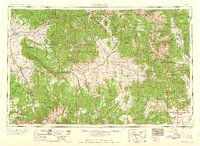 1960 Montrose1960 Print · USGSThe Colorado high country in the mid-fifties is captured here during a period of steady ranching and persistent mining. Researchers can trace the path of the Denver & Rio Grande Western RR or locate small settlements like Somerset, Maher, and Sargent.2 unique versions available
Showing maps 1-25 of 227
Top cities of Hinsdale County
Frequently asked questions
- What are the different types of historical maps available for Hinsdale County?
- What is the oldest map of Hinsdale County?
- Where can I purchase historical maps of Hinsdale County for my home or office?
- Where can I download high-res historical maps of Hinsdale County?
- Are there historical topographic maps available for Hinsdale County?
- Is there historical aerial imagery available for Hinsdale County?
- Where are historical maps of Hinsdale County sourced from?